
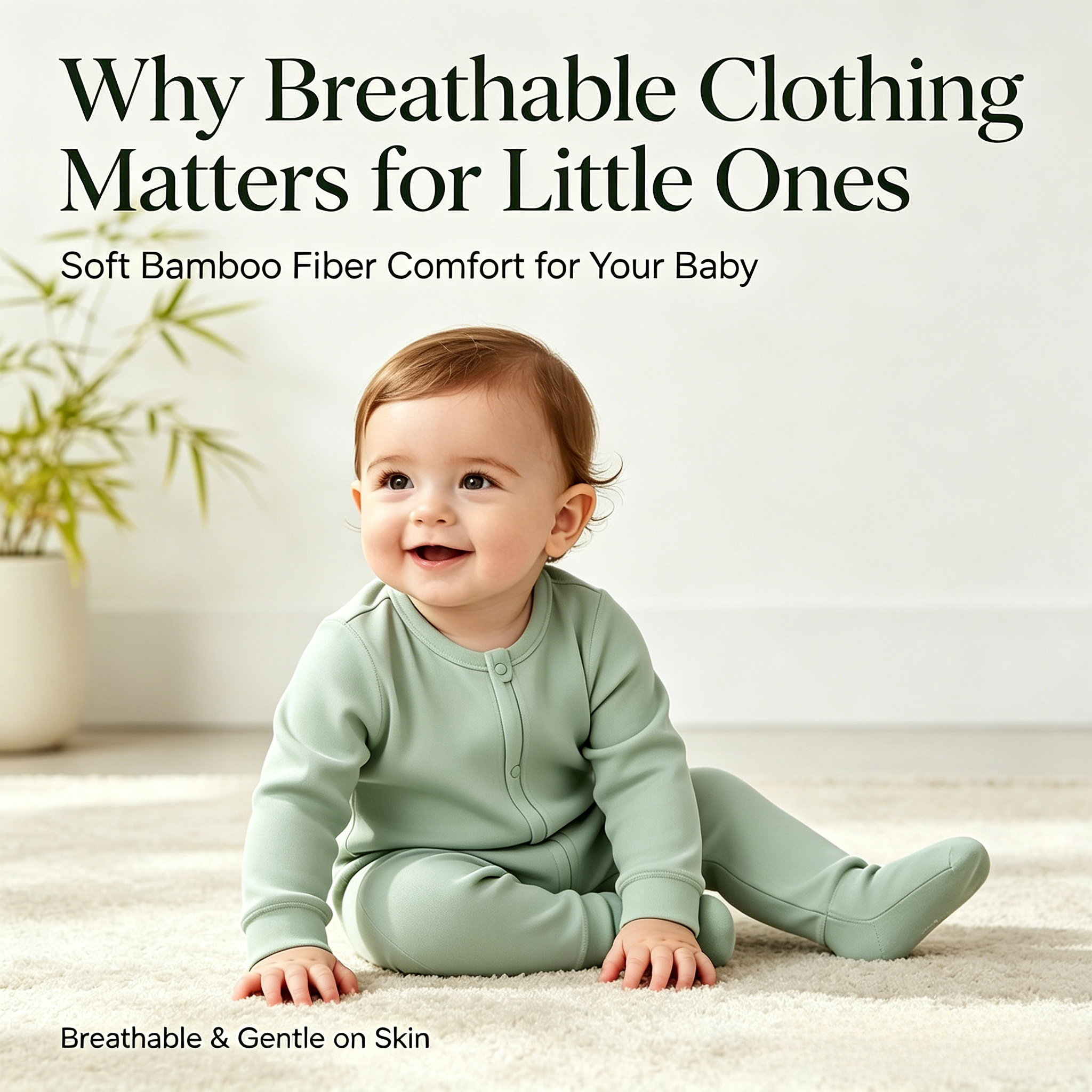
Imagine a tiny explorer—cheeks warm from a midday toddle, palms damp from a game of peekaboo—learning the world one breath at a time. For infants and young children, clothing is more than fashion: it’s a second skin that helps regulate temperature, manage moisture, and protect sensitive surfaces. Breathable fabrics act quietly in the background, influencing how comfortable and healthy those early moments feel.
Little ones have different thermoregulation and skin needs than adults: immature sweat responses, thinner skin, and a higher surface-area-to-body-mass ratio mean they gain and lose heat more quickly and are more prone to irritation from trapped moisture. Breathable garments—those that let air circulate and moisture escape—can reduce clamminess, minimize chafing and rashes, and support better temperature balance during naps, play, and transitions between environments.
Beyond immediate comfort, fabric choices affect sleep quality, activity levels, and even the frequency of wardrobe changes and laundry. The structure and fiber of a garment—cotton, linen, certain synthetics, or blends—plus how it’s woven or knitted all determine how well it breathes. Understanding these differences helps caregivers make practical choices that suit a child’s age, activity, and the climate they live in.
This article explores the science behind breathable clothing for little ones, compares common materials and constructions, and offers practical tips for choosing and caring for garments that keep children comfortable and healthy—without turning every outfit into a compromise.
Table of Contents
- Why Breathable Clothing Protects Sensitive Little Skin and Regulates Body Temperature
- Best Fabrics for Breathability and How to Read Labels for Safe Choices
- Season and Activity Guides: Dressing Little Ones for Sleep, Play, and Hot Days
- Fit, Layering and Ventilation Tips to Prevent Overheating and Chafing
- Care and Maintenance: Washing and Storing Clothes to Preserve Breathability
- Q&A
- Key Takeaways
Why Breathable Clothing Protects Sensitive Little Skin and Regulates Body Temperature
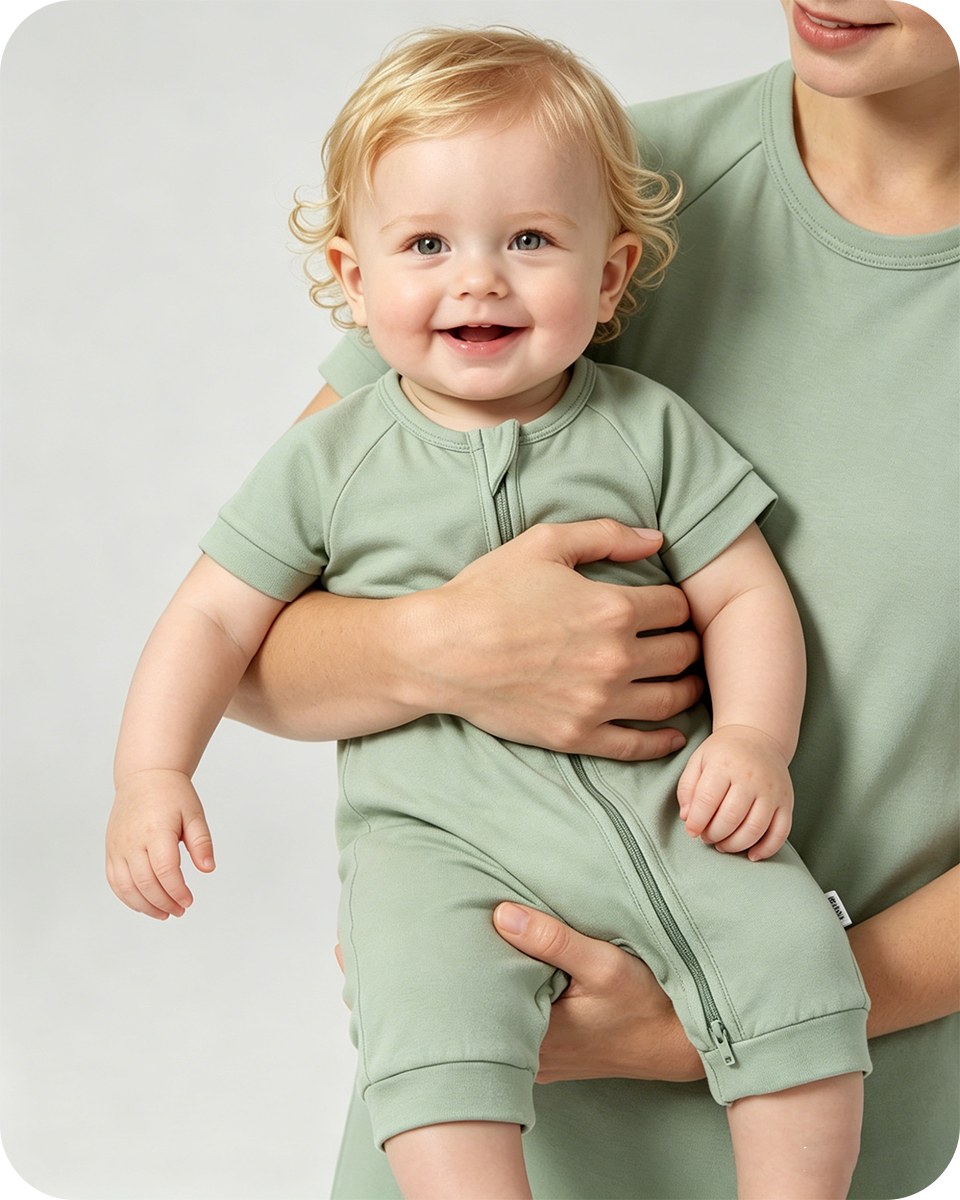
Soft, airy fabrics create a tiny, healthy climate right next to a child’s skin—one that lets warmth escape when they’re active and holds a little heat when they pause. By allowing air to move freely and moisture to evaporate, breathable materials reduce the sticky buildup that causes chafing, redness and heat rashes. Choosing soft natural fibers like cotton or bamboo, or technical blends designed for little ones, means fewer irritants touching fragile skin and a gentler, more stable feel during naps and play.
Breathable clothing works like a simple thermostat: it helps maintain a steady temperature and keeps skin dry, which supports comfort and healthy regulation. Key benefits include:
- Improved airflow to reduce overheating.
- Moisture-wicking action to prevent dampness against the skin.
- Lower friction to minimize irritation from seams and textures.
- Quick-dry properties for faster comfort after spills or sweat.
| Feature | Breathable Fabrics | Non-breathable Fabrics |
|---|---|---|
| Airflow | Good — lets heat escape | Poor — traps warm air |
| Moisture | Wicks and dries fast | Stays damp, feels clammy |
| Skin Comfort | Gentle, less irritation | Higher risk of rashes |
Best Fabrics for Breathability and How to Read Labels for Safe Choices
Soft, airy textiles are the secret to keeping little explorers comfortable through naps, playtime and sudden temperature changes. Fabrics like 100% cotton, lightweight linen, fine muslin and responsibly sourced bamboo viscose move moisture away from the skin and allow airflow—while fine-knit merino wool can regulate temperature without overheating. For everyday wear, favor single-layer, loosely woven fabrics and avoid heavy synthetics that trap heat; when blends are used, higher percentages of natural fiber generally mean better breathability and gentler wear on sensitive skin.
Labels tell the real story if you know what to look for: check the fiber percentages, seek certifications like GOTS or OEKO‑TEX Standard 100, and be wary of unspecified finishes such as “permanent water repellent” or “antimicrobial treated” unless accompanied by clear testing claims. Pay attention to the garment weight (lightweight summer pieces are often 100–150 gsm), care symbols for gentle laundering, and explicit notes about flame-retardant treatments—many are unnecessary and can reduce breathability. Quick label checklist below helps make safe, breathable choices a snap.
- Choose 100% natural fibers where possible.
- Look for GOTS or OEKO‑TEX certification.
- Avoid unknown chemical finishes and permanent coatings.
- Check GSM for seasonality: lighter = more airflow.
- Prefer pre-washed/pre-shrunk labels for predictable fit and softness.
| Fabric | Breathability | Best for |
|---|---|---|
| Cotton (100%) | High | Everyday tees & sleepwear |
| Linen | Very high | Hot-weather outfits |
| Muslin | High | Swaddles & layers |
| Bamboo viscose | High | Soft basics & sensitive skin |
| Merino wool | Moderate (temperature-regulating) | Cool-weather layers |
Season and Activity Guides: Dressing Little Ones for Sleep, Play, and Hot Days
Cool, breathable layers make all the difference when settling little ones for naps or overnight. Choose fabrics like 100% cotton or bamboo viscose that wick moisture away from skin and allow air to circulate; avoid heavy synthetics at night. A lightweight sleep sack or a slightly looser pajama set can prevent overheating while keeping your child comfortably snug — remember, less is often more when the room is warm. Keep clothing soft, tag-free, and easy to move in so sleep stays uninterrupted.
- Naps & Night: Light layers, breathable fabrics, and a sleep sack if needed.
- Playtime: Moisture-wicking blends, stretchy cuts, and easy washability.
- Hot Days: Linen or lightweight cotton, sun hats, and shade breaks.
| Activity | Best Fabric | Quick Tip |
|---|---|---|
| Sleep | 100% Cotton / Bamboo | Loose-fit pajamas + light sleep sack |
| Play | Bamboo blend / Cotton Lycra | Stretchy, machine-friendly pieces |
| Hot Days | Linen / Lightweight Cotton | Sun hat, frequent breaks, hydrate |
Fit, Layering and Ventilation Tips to Prevent Overheating and Chafing
 Think of clothing for tiny explorers as a tiny climate system: snug enough to move, loose enough to breathe. Choose cuts that follow the body without pinching—flat seams, soft waistbands and generous armholes stop rubbing before it starts. Natural, moisture-wicking fabrics like cotton, bamboo or merino help evaporate sweat rather than trapping it against skin, and tagless labels plus smooth hems reduce friction in high‑motion areas like the thighs and underarms.
- Layer smart: a thin base layer, a light mid-layer and a weather shell give flexibility without bulk.
- Avoid overdressing in car seats or carriers—these trap heat; remove a layer if baby seems warm.
- Prioritize ventilation: look for vent panels, looser weaves or snap openings at the chest/back.
- Check fit often: diapers, growth spurts and activity change how clothing sits in hours, not weeks.
Use lightweight layers that can be added or removed quickly: a breathable base wicks moisture, a thin mid-layer insulates, and a wind- or rain-resistant outer shell blocks chill without suffocating. Keep an eye on cues—damp hair, flushed cheeks or restless sleep mean it’s time to peel off a layer. A simple layer chart can help caregivers choose quickly:
| Layer | Best for | Quick note |
|---|---|---|
| Base | Everyday play | Thin, wicking fabric |
| Mid | Cool mornings | Light fleece or knit |
| Outer | Wind/rain | Breathable shell, removable |
Care and Maintenance: Washing and Storing Clothes to Preserve Breathability
Gentle routines keep tiny garments performing their best. Use a mild, enzyme-free detergent and wash on cold or warm with short cycles to protect fibers that promote airflow. Skip fabric softeners and heavy conditioners — they coat fibres and reduce breathability — and always fasten snaps and zippers or place items in a mesh bag to avoid abrasion. When drying, opt for a low-heat tumble or, better yet, air-dry flat or hung in shade; high heat can shrink and seal the capillaries that let skin breathe.
- Do: Turn garments inside out, use gentle spin, remove promptly.
- Don’t: Use bleach or liquid softener, over-dry, or cram the washer.
- Pro tip: Steam refreshes garments between washes without stressing fibres.
For storage, think breathable: folded in cotton bags or on open shelves beats sealed plastic bins, which trap moisture and flatten breathable textures. Add natural moth deterrents like cedar blocks (not direct contact) or small breathable sachets; avoid strong-scented chemicals that can irritate a baby’s skin. Rotate seasonal pieces so fabrics aren’t compressed for months, and keep storage cool and dry to preserve loft and airflow.
| Storage Item | Why It Works |
|---|---|
| Cotton bag | Allows air circulation |
| Cedar block | Natural moth repellent |
| Silica packet | Controls dampness |
Q&A
Q: What does “breathable clothing” mean for little ones?
A: Breathable clothing is made from fabrics and constructions that allow air and moisture vapor to pass through. For children, that means fabrics that help regulate temperature and wick away sweat so skin stays drier and more comfortable.
Q: Why is breathability especially important for babies and toddlers?
A: Young children can’t regulate body temperature as well as adults. Breathable garments help prevent overheating or chilling, reduce skin irritation from trapped moisture, and generally keep active little bodies more comfortable during play, sleep, and growth spurts.
Q: How does breathable clothing help with temperature regulation?
A: Breathable fabrics let warm, moist air escape and allow cooler air to move in. Some materials, like merino wool, also adapt to temperature changes by trapping small amounts of air for warmth while still releasing excess heat and moisture.
Q: Will breathable clothes reduce rashes and skin problems?
A: They can help. By moving moisture away from the skin and improving air flow, breathable fabrics reduce the damp environment that can worsen diaper rash or heat rash. For infants with eczema or sensitive skin, breathable, soft fabrics are usually more comfortable—but always check with a pediatrician for specific medical advice.
Q: Which materials are best for breathability?
A: Natural fibers such as cotton, linen, bamboo-derived viscose, and merino wool are known for good breathability. Performance blends and certain synthetic knits are engineered to wick moisture and dry quickly; they can be effective, especially for active kids. Look for lightweight weaves and fabrics labeled moisture-wicking or breathable.
Q: Is cotton always the best choice?
A: Cotton is soft and breathable when dry, but it holds moisture and can stay damp longer than some wicking synthetics or wool blends. For sweaty activities or wet conditions, blends or technical fabrics that wick and dry faster may be preferable.
Q: How do I choose breathable sleepwear for infants?
A: Choose sleep garments designed for infants: snug-fitting pajamas that meet safety standards or appropriately rated sleep sacks (TOG ratings) for the room temperature. Avoid loose blankets or heavy layers that could trap heat. Breathable materials and proper layering are the keys to a safe, comfortable sleep environment.
Q: What should I look for in play clothing and outerwear?
A: For play, choose lightweight, moisture-managing fabrics and garments with ventilation (e.g., looser knits, underarm panels). For outerwear, prioritize breathable waterproof shells or jackets with vents; combine them with insulating layers that can be removed as activity levels change.
Q: How can I tell if a garment is breathable before buying it?
A: Check the fabric content, weight (lightweight is often more breathable), and product claims (breathable, moisture-wicking, etc.). Hold the fabric up to light—looser weaves transmit more light and air. Read reviews about how the garment performs when kids sweat or are active.
Q: Are there certifications that indicate safer or more sustainable breathable fabrics?
A: Labels like GOTS (Global Organic Textile Standard) or Oeko‑Tex Standard 100 can assure low chemical use and safer processing. These don’t directly measure breathability but can guide you toward gentle, responsibly produced fabrics.
Q: Any special care tips to maintain breathability?
A: Wash according to label instructions. Avoid heavy use of fabric softeners or oily lotions that can coat fibers and reduce wicking. Rinse detergents well and air-dry when possible—high heat can change fabric structure and reduce breathability.
Q: Can breathable clothing help prevent overheating-related risks?
A: Keeping infants from becoming too hot is a recognized safety concern. Breathable clothing and suitable layering can help maintain a comfortable temperature and reduce risk factors associated with overheating. For medical questions or concerns about overheating, consult a pediatrician.
Q: What about hats, socks, and accessories—do they need to be breathable too?
A: Yes. Breathable hats and socks made from natural fibers or moisture-wicking blends prevent trapped heat and dampness on small extremities. Choose breathable sun hats for outdoor play and swap to lighter hats indoors.
Q: How should I layer breathable clothing for different seasons?
A: Use a base layer that wicks moisture, a middle insulating layer (if needed), and a breathable outer layer for wind or rain. In hot weather, minimize layers and select lightweight, airy fabrics. In cold weather, choose insulating materials that still allow vapor to escape.
Q: Are there downsides to breathable fabrics?
A: Some very breathable fabrics can be less insulating in cold, still-air conditions and may require an extra insulating layer. Certain eco-friendly fibers may need more care to maintain shape. Also, some processed “breathable” synthetics depend on manufacturing quality—read labels and reviews.
Q: When should I seek professional advice about clothing choices for my child?
A: If your child has persistent skin conditions (eczema, infections), is unusually sensitive to temperature, or you’re unsure about sleep clothing and safety, consult a pediatrician. They can give tailored recommendations based on health and development.
Q: Quick checklist for parents shopping for breathable kids’ clothes
A: Look for lightweight, natural or moisture-wicking fabrics; check garment fit (snug for sleep, looser for daytime activity); avoid heavy layers indoors; read care instructions; verify safety certifications for sleepwear; and watch how your child responds—comfort, skin condition, and temperature cues are your best guide.
Key Takeaways
Think of breathable clothing as a quiet ally in a child’s day — a fabric that moves with them, helps balance warmth and coolness, and keeps skin calm while they explore, nap, and grow. It doesn’t solve every parenting puzzle, but it reduces the little irritations and risks that can make a big difference to comfort, health, and safety.
That philosophy is at the heart of CloudsBoo — creating bamboo baby and family essentials designed to feel like a soft, breathable second skin. By focusing on lightweight comfort, gentle fabrics, and minimalist everyday design, the brand aims to support the small moments that matter most: deeper naps, easier playtime, cozy cuddles, and carefree movement throughout the day.
When selecting garments — whether for playtime, bedtime, or a family outing — a focus on natural fibers, light weaves, and smart design is a small choice with outsized benefits. In the end, breathable clothing isn’t just about fabric; it’s about giving little ones room to be themselves, comfortably and safely.