
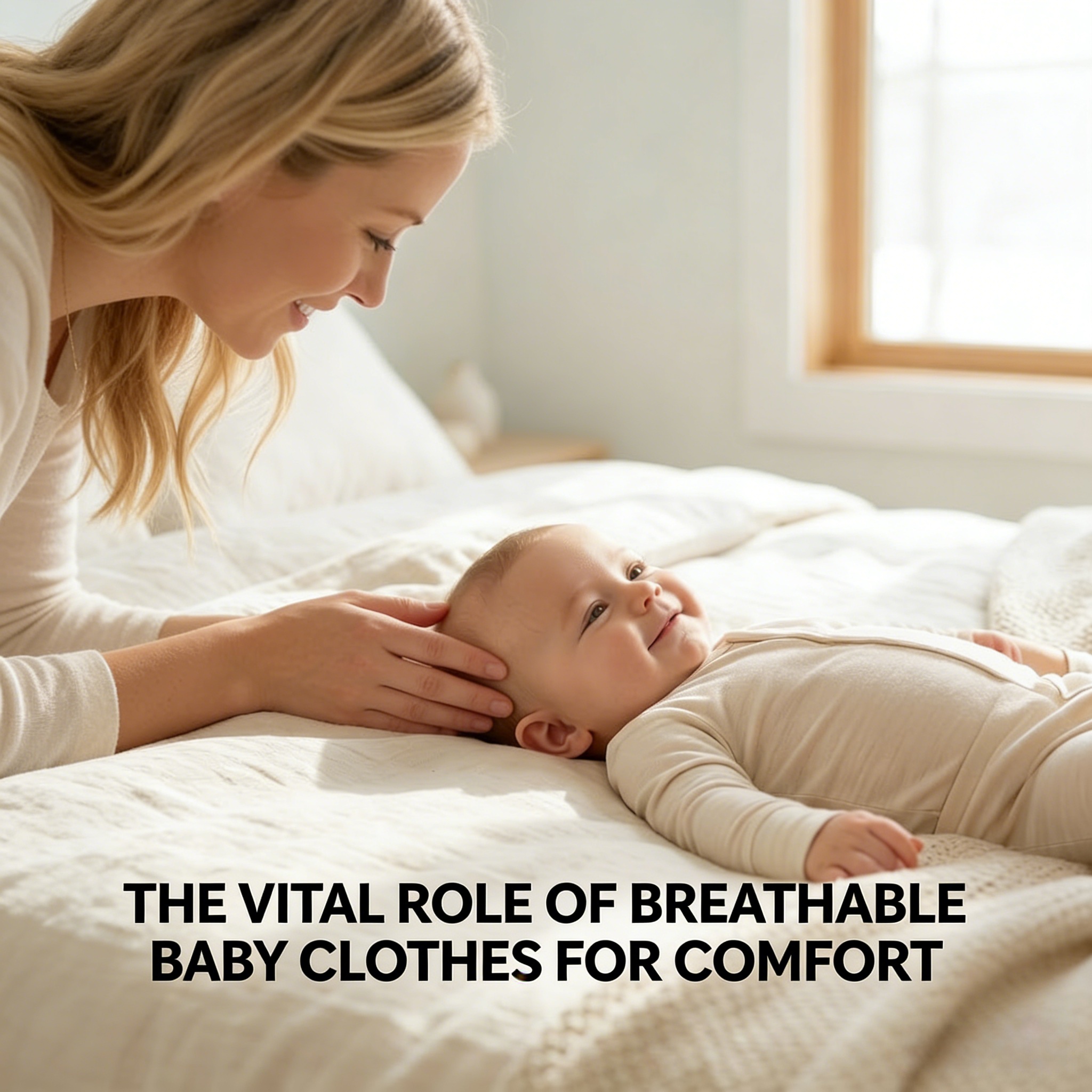
In the delicate world of infancy, comfort is king—and breathable baby clothes play a quietly powerful role in securing it. As tiny bodies embark on their first adventures outside the womb, the fabrics that touch their skin become more than mere coverings; they are guardians of warmth, airflow, and gentle care. Understanding the vital importance of breathability in baby apparel opens a window into nurturing not just comfort, but health and happiness in our youngest explorers. This article delves into why breathable baby clothes matter, weaving together science, sensitivity, and the subtle art of keeping little ones cozy through every giggle, yawn, and restful sleep.
Table of Contents
- The Science Behind Breathable Fabrics and Baby Skin Health
- How Breathable Clothes Enhance Temperature Regulation for Infants
- Choosing the Best Materials for Maximum Comfort and Safety
- Practical Tips for Dressing Your Baby in Breathable Layers
- The Long-Term Benefits of Breathable Clothing for Baby Development
- Q&A
- Insights and Conclusions
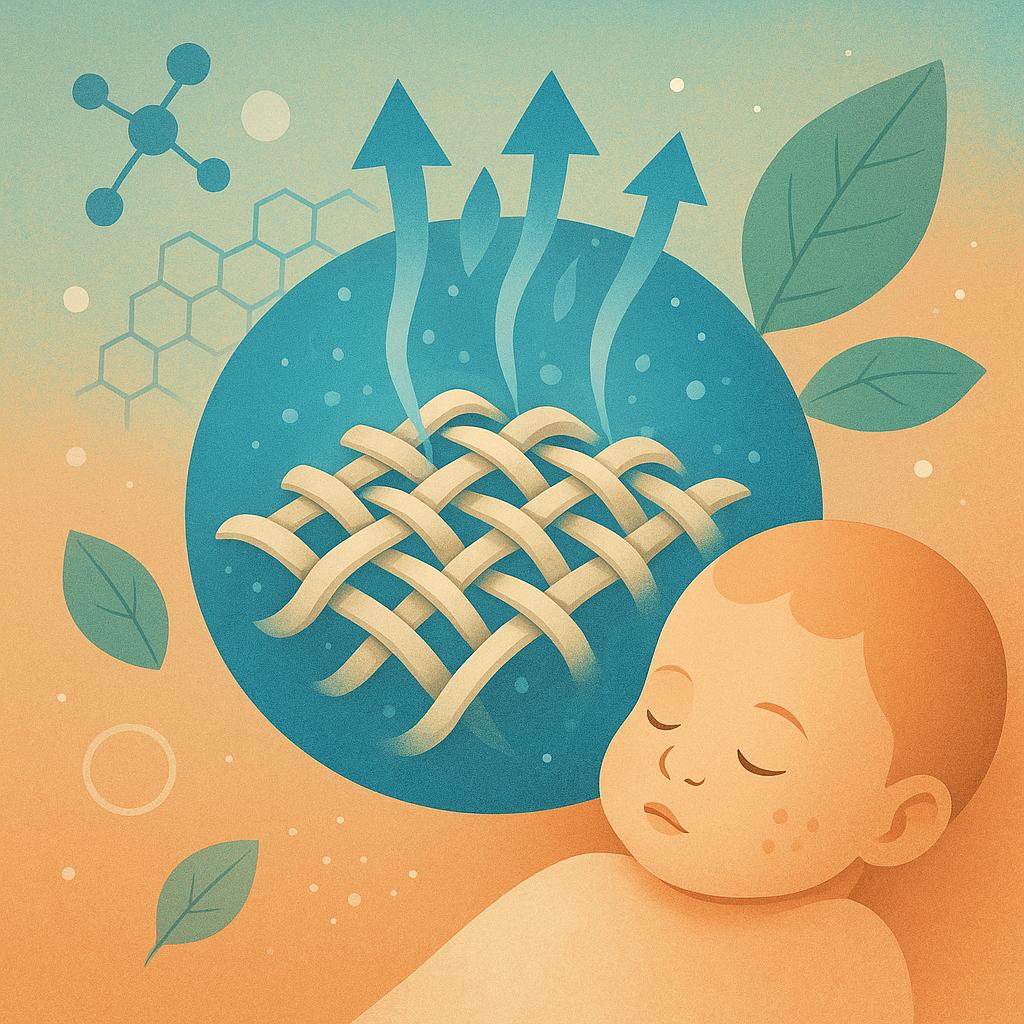
The Science Behind Breathable Fabrics and Baby Skin Health
Understanding how these fibers interact with baby skin involves appreciating the structure of the fabric. Breathable fabrics typically have:
- Open weave patterns: Tiny gaps between threads facilitate air exchange, keeping the skin dry and cool.
- Moisture-wicking capabilities: Fibers draw sweat away from the skin’s surface to the fabric’s outer layer, where it evaporates.
- Hypoallergenic properties: Natural fibers often reduce the likelihood of allergic reactions and rashes.
| Fabric | Breathability | Skin Friendliness |
|---|---|---|
| Organic Cotton | High | Excellent |
| Bamboo | Moderate | Very Good |
| Synthetic Polyester | Low | Poor |
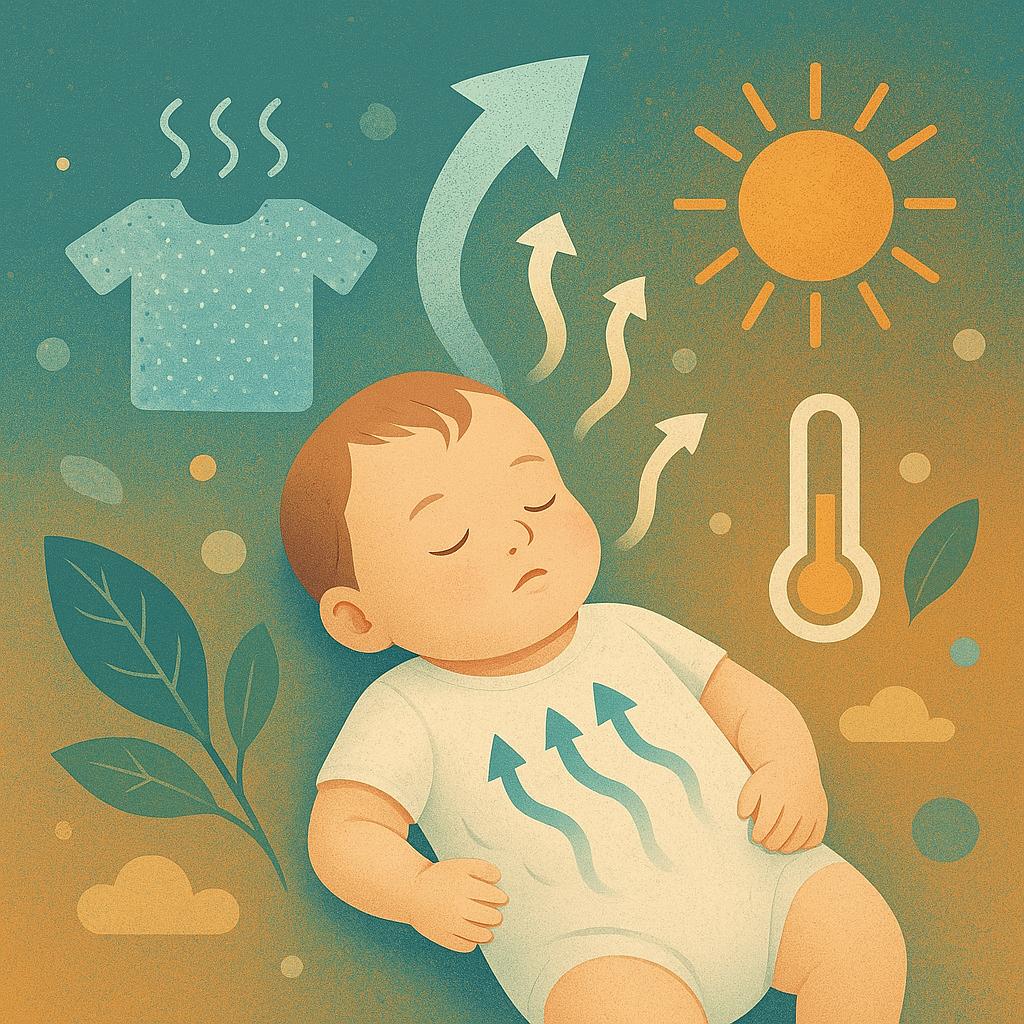
How Breathable Clothes Enhance Temperature Regulation for Infants
Natural fibers such as cotton and bamboo are championed for their breathability, which works in harmony with the baby’s physiology. When air can flow through the fabric, excess heat dissipates quickly, reducing the risk of heat rash and discomfort. Conversely, breathable clothes also provide gentle insulation during cooler moments, maintaining a stable microclimate close to the infant’s skin.
- Promote healthier skin by minimizing trapped sweat and bacteria
- Help regulate temperature fluctuations throughout the day and night
- Reduce the likelihood of overheating, a critical factor in safe sleep environments
| Fabric Type | Temperature Regulation | Best Use |
|---|---|---|
| Cotton | High breathability, moisture-wicking | Everyday wear, warm climates |
| Bamboo | Excellent airflow, naturally antibacterial | Sensitive skin, humid environments |
| Merino Wool | Thermoregulating, keeps warm yet breathable | Cooler seasons, layering pieces |
Choosing the Best Materials for Maximum Comfort and Safety
Beyond breathability, safety concerns guide material choices. Hypoallergenic fabrics that undergo minimal chemical processing are highly recommended to prevent allergic reactions. Additionally, parents should consider garments that feature soft seams and non-toxic dyes for responsible, yet comfortable wear. To visualize how various materials perform, here’s a quick comparison:
| Material | Breathability | Softness | Safety |
|---|---|---|---|
| Cotton | High | Very Soft | Excellent (organic preferred) |
| Bamboo | High | Silky Soft | Excellent (chemical-free processed) |
| Linen | Moderate | Soft | Good |
| Polyester | Low | Moderate | Fair (depends on additives) |
- Breathable = Comfortable: Helps regulate baby’s temperature, reducing sweat and rash.
- Soft Textures: Prevent chafing and provide a gentle touch against delicate skin.
- Non-Toxic: Avoids harmful chemicals that could affect the baby’s health.
Practical Tips for Dressing Your Baby in Breathable Layers
To keep your baby cozy without trapping too much heat, opt for these layering hacks:
- Mix and match textures: Use a breathable base layer with a slightly thicker but still airy middle layer, topped with a wind-resistant outer layer for outings.
- Focus on fit: Avoid overly tight clothes that restrict airflow; loose-fitting layers promote ventilation and freedom of movement.
- Check the seams and tags: Choose clothes with flat seams and soft labels to reduce irritation when multiplied by layers.
| Layer Type | Material | Best For |
|---|---|---|
| Base Layer | Organic cotton, bamboo | Breathability and comfort |
| Middle Layer | Light fleece, thin wool | Insulation without bulk |
| Outer Layer | Water-resistant cotton blend | Protection from wind and light rain |
The Long-Term Benefits of Breathable Clothing for Baby Development
In addition to skin health, breathable clothing positively influences a baby’s sensory experience and mobility. Lightweight, moisture-wicking fabrics encourage freedom of movement and reduce clinginess, which can hinder motor skill development. Babies tend to be more relaxed and active when they feel comfortable in their clothing, fostering exploration and physical growth. Moreover, the long-term benefits extend to improved respiratory comfort, as breathable clothes prevent excessive dampness that might otherwise contribute to congestion and discomfort.
| Benefit | Impact on Baby |
|---|---|
| Temperature Regulation | Maintains steady warmth, preventing overheating and chills |
| Skin Health | Reduces irritation, rashes, and promotes skin barrier formation |
| Enhanced Mobility | Encourages movement and motor skill development by preventing stiffness |
| Respiratory Comfort | Prevents moisture buildup, reducing the risk of congestion |
- Improved sleep quality through thermal comfort
- Lower incidence of skin infections and irritations
- More active and engaged developmental stages
- Support for natural thermoregulation processes
Q&A
Q&A: The Vital Role of Breathable Baby Clothes for Comfort
Q1: Why is breathability important in baby clothes?
A1: Breathability allows air to circulate through the fabric, helping to regulate a baby’s body temperature. Since babies can’t adjust their own clothing or communicate discomfort effectively, breathable fabrics prevent overheating and reduce the risk of skin irritation, ensuring they stay cozy and comfortable.
Q2: What materials make baby clothes breathable?
A2: Natural fibers like cotton, bamboo, and linen are renowned for their breathability. These materials wick moisture away from the skin, allow heat to escape, and maintain softness — all essential for a baby’s delicate skin. Synthetic fabrics typically trap heat and moisture, making them less ideal for everyday wear.
Q3: How does breathable clothing impact a baby’s skin health?
A3: Breathable clothes help keep the skin dry and well-ventilated, which lowers the chances of rashes, heat bumps, and irritation. Since babies have sensitive skin that’s prone to inflammation, the right clothing can act as a soothing barrier against discomfort and potential infections.
Q4: Can breathable baby clothes influence a baby’s sleep quality?
A4: Absolutely. When a baby’s temperature is well-regulated through breathable fabrics, they tend to sleep more soundly. Overheating is a common cause of restlessness and wakefulness, so clothes that allow heat to escape can contribute to peaceful naps and nighttime sleep.
Q5: Are breathable baby clothes suitable year-round?
A5: Yes, but with some layering adjustments. In warm months, lightweight breathable clothes keep babies cool and prevent sweat buildup. During cooler periods, breathable fabrics can serve as base layers that manage moisture while keeping your baby warm when combined with appropriate outerwear.
Q6: How should parents choose breathable baby clothes?
A6: Look for soft, natural fabrics labeled as 100% cotton or bamboo. Avoid tight-fitting or synthetic garments that trap heat and moisture. Also, consider designs with ventilation features like loose weaves or mesh panels. Comfort, fit, and ease of care are also key to making the best choice.
Q7: What are some signs that baby clothes might not be breathable enough?
A7: If you notice excessive sweating, redness, blotchy skin, or a persistent damp feeling beneath the fabric, it might be time to switch to more breathable options. Babies who seem fussy or restless, especially when dressed in certain clothes, may also be indicating discomfort related to poor airflow.
Q8: How does breathable fabric benefit parents as well?
A8: Breathable baby clothes not only keep the baby comfortable but also reduce laundry frequency by minimizing sweat stains and odors. Plus, they make dressing and changing easier during warm weather, offering peace of mind that your baby stays dry and happy throughout the day.
Breathable baby clothes are more than just a choice—they form a gentle, invisible layer of care that allows babies to thrive in comfort and health from day one.
Insights and Conclusions
In the delicate world of baby care, every small choice echoes in comfort and well-being. Breathable baby clothes, often overlooked, serve as silent guardians—allowing tiny bodies to breathe, move, and thrive with ease. As we weave these thoughtfully designed garments into our little ones’ daily lives, we embrace a gentle reminder: sometimes, the simplest elements hold the most profound power in nurturing comfort from the very first breath.