
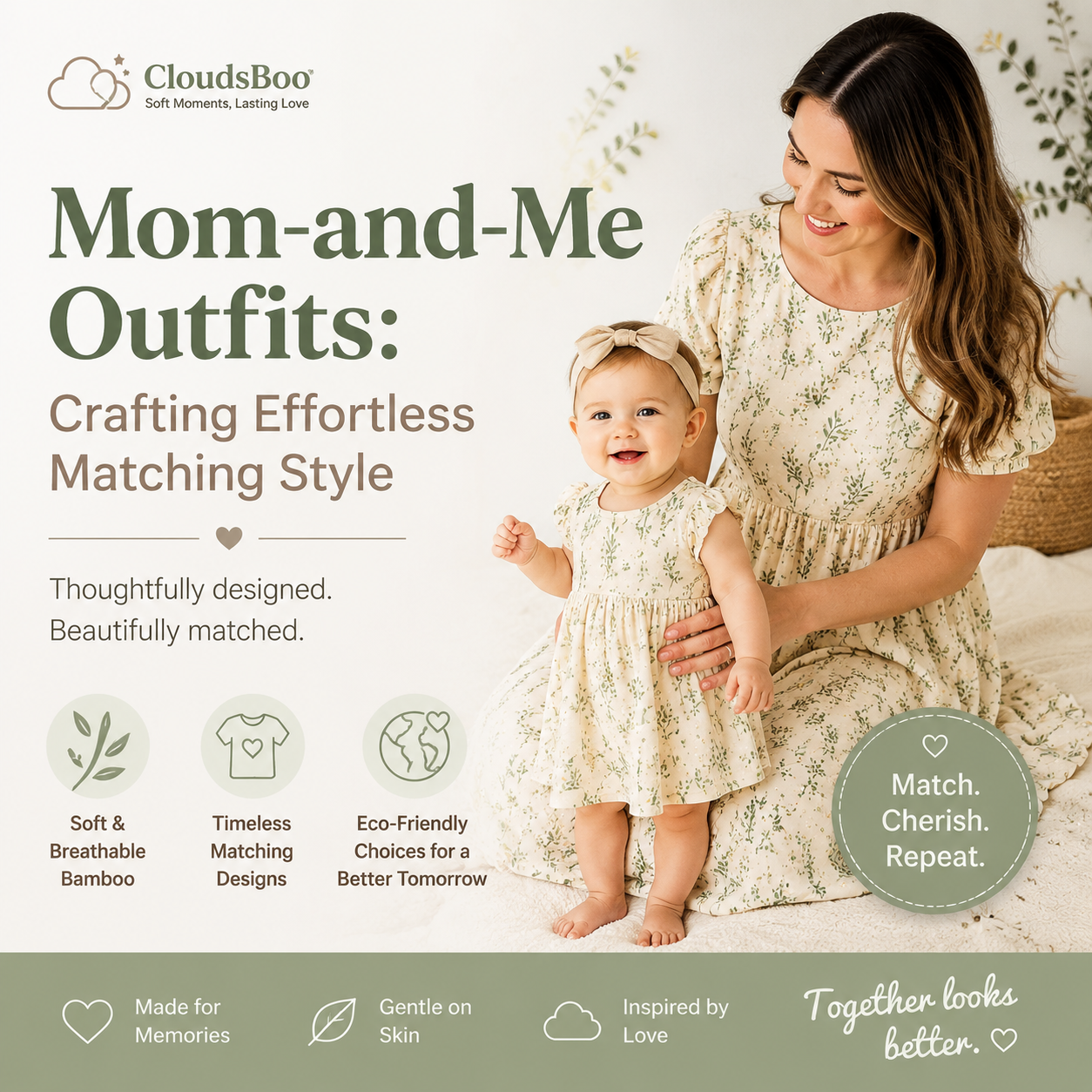
There’s a quiet kind of magic in coordinated wardrobes: a shared colour, a mirrored silhouette, a tiny detail repeated at two different scales. Mom-and-me outfits take that simple idea and turn it into a versatile language of connection — a visual wink that says “we belong together” without demanding a lot of effort. From weekend strolls to family photos, matching looks can be as subtle as complementary tones or as bold as head-to-toe twins, and they work across budgets, ages, and lifestyles. This article explores how to craft an effortless matching style that feels natural, practical, and fun — whether you’re dressing for comfort, celebration, or memory-making.
Table of Contents
- Mom and Me Outfits: Choosing Fabrics and Patterns That Flatter Both Mom and Child
- Color Palette Strategies for Effortless Coordination and Easy Mixing
- Outfit Formulas for Everyday Errands, Special Occasions, and Photos
- Comfort First Styling Tips for Active Kids and Busy Moms
- Shopping Smart and Simple Customizations to Make Matches Feel Personal
- Q&A
- To Conclude
Mom and Me Outfits: Choosing Fabrics and Patterns That Flatter Both Mom and Child
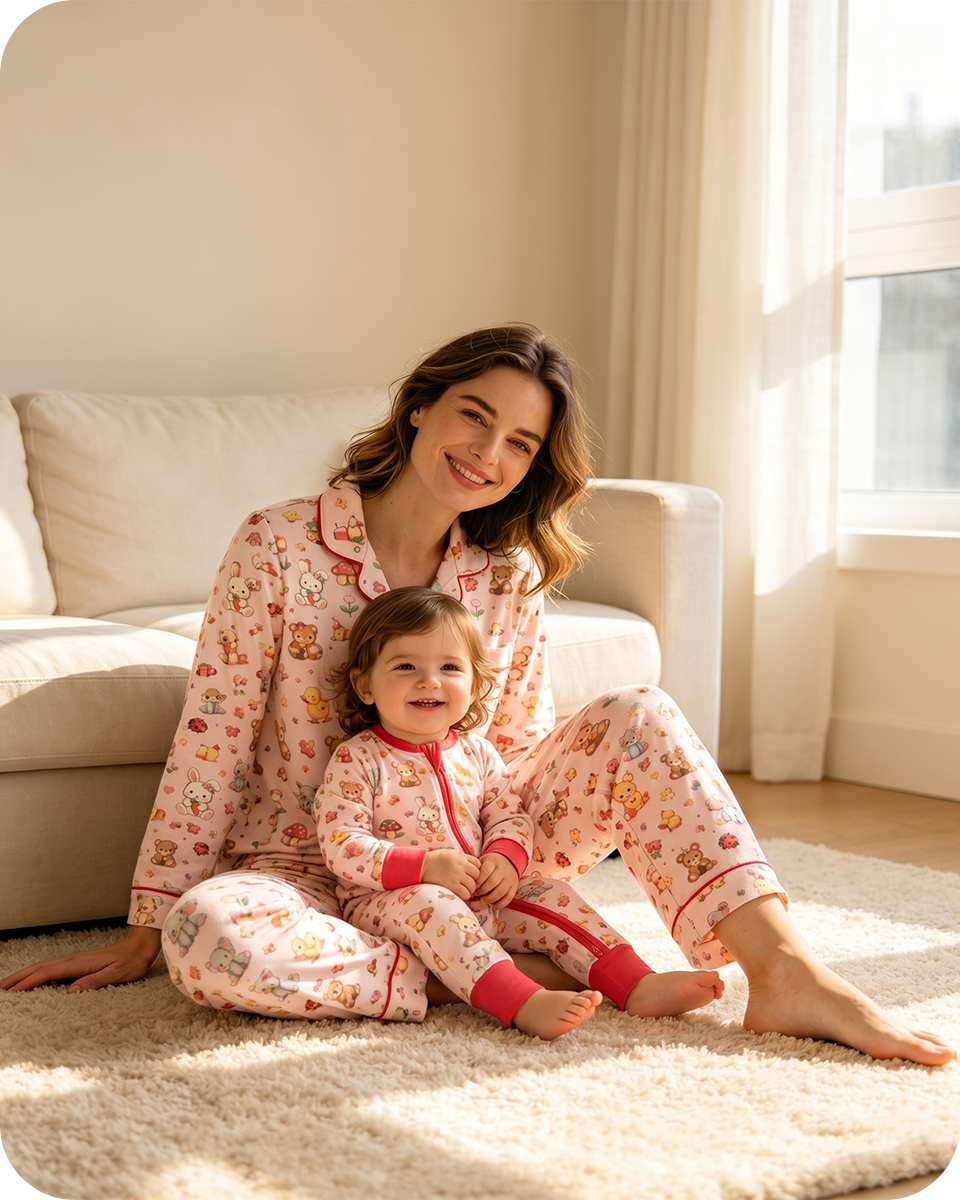
Think fabric first — then match the vibe. Start with fibers that feel good on both skin and style: breathable natural fibers like cotton and linen are daytime heroes, while soft knits and jersey keep toddlers cozy and wrinkle-free. Aim for a balance: pick a fabric with a nice drape for the adult piece and the same family in a softer, sturdier weight for the child. Below are practical picks to guide selections at a glance:
- Natural breathables (cotton, linen, bamboo): cool, easy to dye, great for coordinated colors.
- Stretch blends (cotton-spandex): forgiving fit for play and flattering for grown-up silhouettes.
- Easy-care synthetics (poly blends): ideal for busy days—less ironing, more wear.
- Seasonal swaps: lightweight chambray or linen for summer; brushed flannel or wool blends in cooler months.
Pattern play is about scale and anchoring. Use the same color story to tie pieces together: let mom wear a bold, larger-scale print while the child sports a smaller-scale version or a solid that picks up a hue from the print. Anchor one outfit with a neutral or textured piece (denim jacket, soft cardigan) so the look feels curated rather than matchy-matchy.
| Fabric | Mom | Child |
|---|---|---|
| Cotton-linen | Draped blouse, polished | Soft sundress, washable |
| Jersey | Fitted tee, easy layer | Stretchy playwear, comfy |
| Chambray | Tailored shirt, refined | Durable dress/shirt, casual |
Color Palette Strategies for Effortless Coordination and Easy Mixing
Think in layers of simplicity: establish a neutral foundation—ivory, navy, camel, or soft gray—that both wardrobes share, then add one or two accent colors for personality. Keeping the core palette limited makes mixing effortless; you can swap pieces between mom and mini without the look collapsing. For a cohesive feel, aim to match undertones (warm vs. cool) rather than exact shades, and let texture and scale do the heavy lifting—chunky knits for mom balanced with smaller ribbing or cable for child keep harmony without being too literal.
- Start with two neutrals: anchor multiple outfits so everything pairs easily.
- Add one accent: a single pop (mustard, teal, or coral) unifies playful and grown-up pieces.
- Use prints as connectors: stripes, florals, or polka dots that include at least one palette color to tie them together.
- Vary scale: large patterns for mom, smaller motifs for mini to avoid matchy-matchy vibes.
| Role | Base | Accent | Print tie-in |
|---|---|---|---|
| Mom | Charcoal coat | Mustard scarf | Vertical stripe blouse |
| Mini | Charcoal cardigan | Mustard beanie | Micro-stripe tee |
Outfit Formulas for Everyday Errands, Special Occasions, and Photos
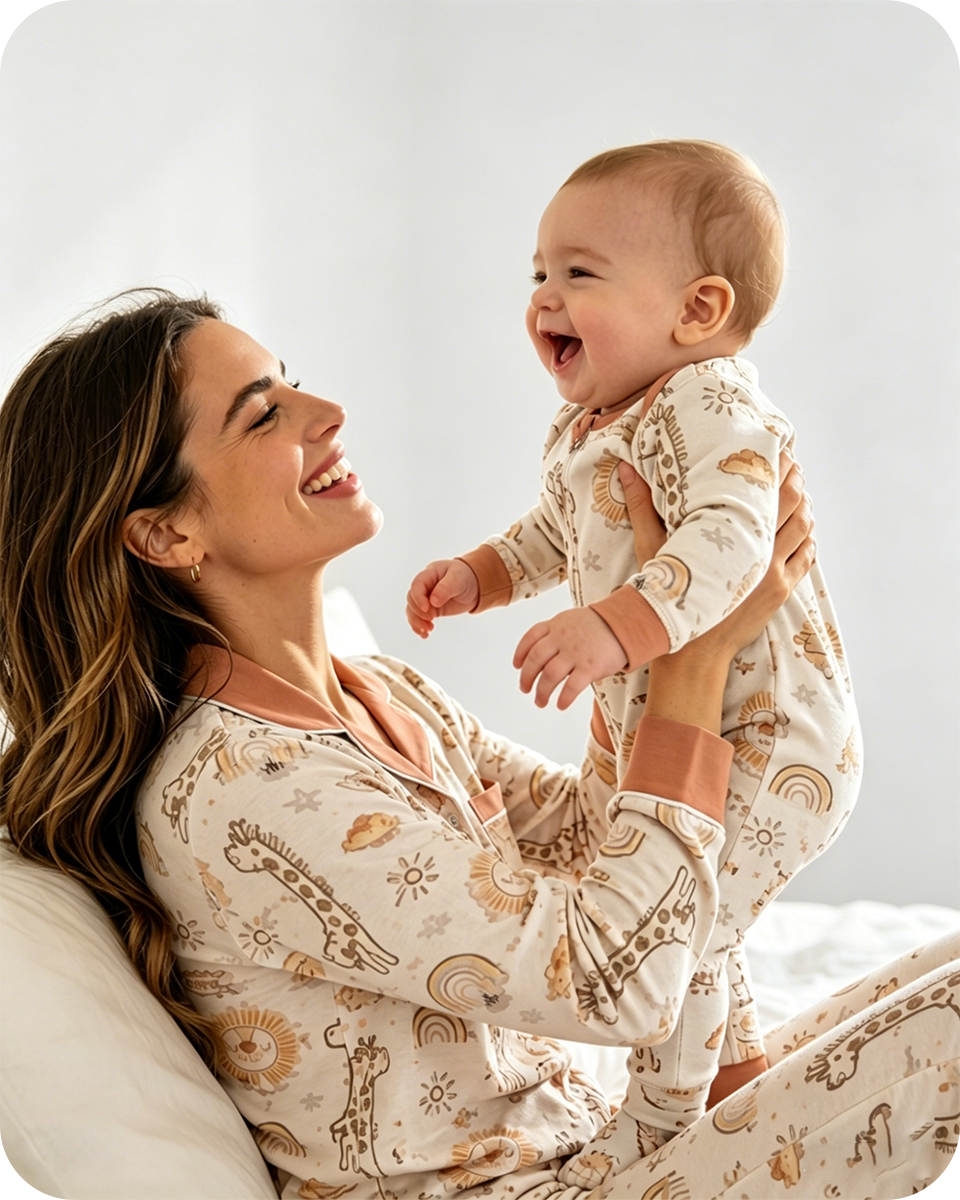
Busy mornings and weekend pit stops thrive on simple systems: pick a comfortable base for mom and mini (think denim or knit), add a unifying layer (a cardigan, denim jacket, or vest), and finish with a shared accent—a scarf, hat, or matching sneakers. These little formulas keep outfits effortless without feeling matchy-matchy, so outings stay practical and photogenic. Use one consistent texture or pattern across both looks to feel coordinated while allowing each wearer to keep their personality.
- Base + Layer + Accent: Tee + denim + colorful sneaker
- Tone-on-Tone: Same color family, different shades for subtle harmony
- Statement Stitch: Neutral clothes + matching embroidered patch or pin
| Occasion | Quick Formula | Easy Prop |
|---|---|---|
| Daily runs | Comfy base + breathable layer | Matching tote |
| Celebrations | Coordinated palette + dressy texture | Delicate hair accessory |
| Portraits | Neutral base + one bold accent | Comforting prop (book or blanket) |
For special moments and snapshots, prioritize scale and contrast: if mom wears a large floral, opt for a smaller-scale print or solid in the child’s outfit to complement rather than compete. Keep jewelry and accessories in the same metal tone and pick one focal point per duo—either bold color, playful pattern, or standout texture—to maintain visual interest without clutter. Above all, choose pieces that feel like you; relaxed confidence reads better on camera than perfectly matched outfits ever will.
Comfort First Styling Tips for Active Kids and Busy Moms
Let movement lead the design. Prioritize fabrics and cuts that let kids climb, sprint, and nap without fuss—think breathable cotton blends, gentle stretch, and finishes that shrug off stains. For moms, aim for silhouettes that skim the body rather than constrict it: a soft-wrap dress, high-rise pull-on jeans, or an oversized tee layered over leggings keep looks polished and practical. Make care as important as color: choose pieces that are durable, machine-washable, and ready to wear straight from the dryer so matching sets stay easy and alive between activities.
- Quick formulas: one neutral top + two play-ready bottoms = instant coordination.
- Elastic and adjustable: waistbands, drawstrings, and roll-up cuffs extend wear-time.
- Mix scales: pair a small-scale print for kids with a solid for moms.
- Layer smartly: lightweight zip jackets and cardigans make outfits adaptable for playgrounds and errands.
Small investments in fabric choice and thoughtful details yield big returns. Below is a simple guide to fabrics that balance comfort with longevity—perfect for creating coordinated pieces that survive real life.
| Fabric | Why it works | Care |
|---|---|---|
| Cotton-Blend | Breathable, soft, family-friendly | Machine wash, tumble low |
| Modal/Spandex | Drapes well, stretchy for play | Cold wash, air dry preferred |
| French Terry | Cozy layers, quick-drying | Machine wash, reshape while damp |
Shopping Smart and Simple Customizations to Make Matches Feel Personal
Think like a stylist and a shopper at the same time: aim for a handful of neutral foundations you both love, then add one or two statement pieces that echo each other. Prioritize soft, easy-care fabrics and sizes that allow for growth (and relaxed movement) — a flattering silhouette on both sizes makes coordination feel effortless instead of forced. Small investments in quality basics mean you can mix and match prints and textures without the outfit feeling overworked, and a consistent palette ties looks together even when pieces aren’t identical.
- Fit: Try key pieces on with the same footwear to check proportion.
- Fabric: Choose machine-washable, wrinkle-resistant materials.
- Palette: Pick one neutral + one accent color for cohesion.
- Versatility: Buy pieces that work separately and together.
- Budget: Mix a splurge item with thrifted or DIY finds.
Simple tweaks give matching outfits personality without looking costumey. Swap buttons to a shared metal finish, add a tiny embroidered motif on a cuff, or use iron-on patches in complementary shapes — these low-effort details create a quiet connection. Accessories like coordinated hats, belts, or even matching shoelaces can be swapped seasonally so the look evolves with less expense. Below is a quick cheat sheet to match effort with payoff when customizing.
| Customization | Time & Cost | Personal Feel |
|---|---|---|
| Monogram | Low time, small fee | Subtle and classic |
| Iron-on patch | Minutes, inexpensive | Playful and bold |
| Swapped buttons | Quick DIY, cheap | Chic, high-detail |
Q&A
Q: What exactly are mom-and-me outfits?
A: Mom-and-me outfits are intentionally coordinated ensembles designed for a parent and child—usually matching or harmonized in color, pattern, or theme. They range from identical pieces to subtly complementary looks that feel connected without being identical.
Q: Why are mom-and-me looks popular?
A: They offer an easy way to express family connection and create memorable photos. Beyond aesthetics, they simplify dressing decisions and can be a playful form of self-expression for both parent and child.
Q: How do you craft an “effortless” matching style?
A: Start with a single unifying element—color, fabric, or pattern—and build around it. Keep silhouettes simple, balance scale between adult and child proportions, and avoid over-accessorizing so the look feels natural rather than costume-like.
Q: Should outfits be identical or complementary?
A: Both options work. Identical looks are charming for photos and special events; complementary looks—sharing a palette or motif—are more versatile for everyday wear and tend to look more polished.
Q: How do you match without looking overly cutesy?
A: Choose timeless cuts and muted palettes, mix in neutral basics, and favor subtle pattern play over novelty prints. Tailored or minimalist pieces help keep the look sophisticated.
Q: What fabrics and textures work best for mom-and-me dressing?
A: Breathable, easy-care fabrics like cotton, linen blends, and jersey are practical. Adding texture—knitwear, denim, or soft corduroy—can elevate the pairing while remaining comfortable.
Q: How do you keep comfort and safety in mind for the child?
A: Prioritize non-restrictive cuts, soft seams, and age-appropriate closures. Avoid loose embellishments or long cords that could be hazardous, and choose fabrics that tolerate movement and frequent washing.
Q: How can you translate trends into kid-friendly versions?
A: Pick one trend element—like a color, silhouette, or accessory—and adapt it in child-appropriate materials and fits. Balance trendiness with classic pieces so the outfit remains wearable beyond the season.
Q: Any tips for coordinating patterns and colors?
A: Pair one dominant pattern with smaller, subtler prints or solids; anchor the look with a neutral. Use a color wheel mindset—harmonizing or using soft contrasts—to keep combinations visually pleasing.
Q: How to approach matching across different ages (infants, toddlers, teens)?
A: For infants and toddlers, playful prints and soft fabrics work well; for older kids and teens, lean into complementary styling and individual preferences. Gradually shift from identical outfits to coordinated looks that reflect each person’s style.
Q: Can mom-and-me outfits be sustainable?
A: Yes. Choose quality pieces that last, shop secondhand, swap or upcycle garments, and prioritize brands with transparent, ethical practices. Matching doesn’t need to be fast-fashion driven.
Q: How do you do mom-and-me on a budget?
A: Mix high and low—invest in one durable staple and pair it with affordable basics. Thrift stores, DIY customization (embroidering or dyeing), and family hand-me-downs are excellent cost-savvy routes.
Q: What occasions suit mom-and-me dressing?
A: Casual outings, holidays, family photos, and special events are all good fits. Tailor the level of coordination to the occasion: subtle for dinners, playful for picnics, and more polished for formal gatherings.
Q: Any styling rules for different body types?
A: Focus on proportion and balance rather than strict rules. Choose cuts that flatter each wearer—structured pieces for definition, flowy fabrics for ease—and keep the color story cohesive to unify the pair.
Q: How can you personalize matching outfits?
A: Integrate meaningful elements like favorite colors, shared motifs, initials, or handcrafted details. Small, personalized touches make the pairing feel intentional rather than generic.
Q: What are easy DIY ideas for matching looks?
A: Try coordinating with simple textile crafts—tie-dye kits, iron-on patches, embroidered accents, or matching scarves. Even swapping buttons or hemming a piece to echo the other’s silhouette can create harmony.
Q: How should you care for mom-and-me garments to keep them looking fresh?
A: Follow garment labels, wash similar fabrics together, treat stains promptly, and store pieces to avoid stretching or fading. Investing in proper care extends the life of both the parent’s and child’s items.
Q: Where can you shop for coordinated outfits?
A: Look at dedicated family-fashion brands, children’s and women’s collections from mainstream retailers, vintage and thrift shops, and small makers on marketplaces. Many brands now feature family sets or matching colorways.
Q: How do you involve kids in choosing the outfit?
A: Give them limited choices—two coordinated options—to ensure buy-in while keeping the aesthetic intact. Allowing a child to pick an accessory or pattern promotes independence and makes the look feel collaborative.
Q: Any cultural or social considerations?
A: Be mindful of cultural garments and motifs—respectful use and understanding are important when incorporating traditional elements. Also consider the child’s comfort with public attention; matching can attract notice, so choose levels of visibility thoughtfully.
Q: How can matching outfits evolve as kids grow?
A: Shift from identical pieces to harmonious color stories and shared accessories. Let the child’s personal style develop; matching can become a subtle thread in a broader family wardrobe rather than the defining element.
If you’d like, I can tailor this Q&A for a specific audience (new moms, fashion-forward parents, budget shoppers) or expand any answer into a short article section.
To Conclude
Like any well-composed duet, mom-and-me outfits are less about hitting every note in unison and more about finding the right harmony. When you favor simple anchors—a shared color story, a repeating pattern, or one coordinating accessory—you build looks that feel intentional without effort. The best matching moments come from playfulness and practicality: pieces you both love, fabrics that move with you, and a bit of creativity that turns everyday dressing into a small ritual.
Crafting an effortless matching style is ultimately about choice, not conformity. Whether you opt for full twins or a subtle nod across separates, these outfits can become an easy way to communicate connection, explore personal taste, and create lasting memories. Keep the process light, let personalities lead, and let your wardrobe be a companion to the moments you share.