
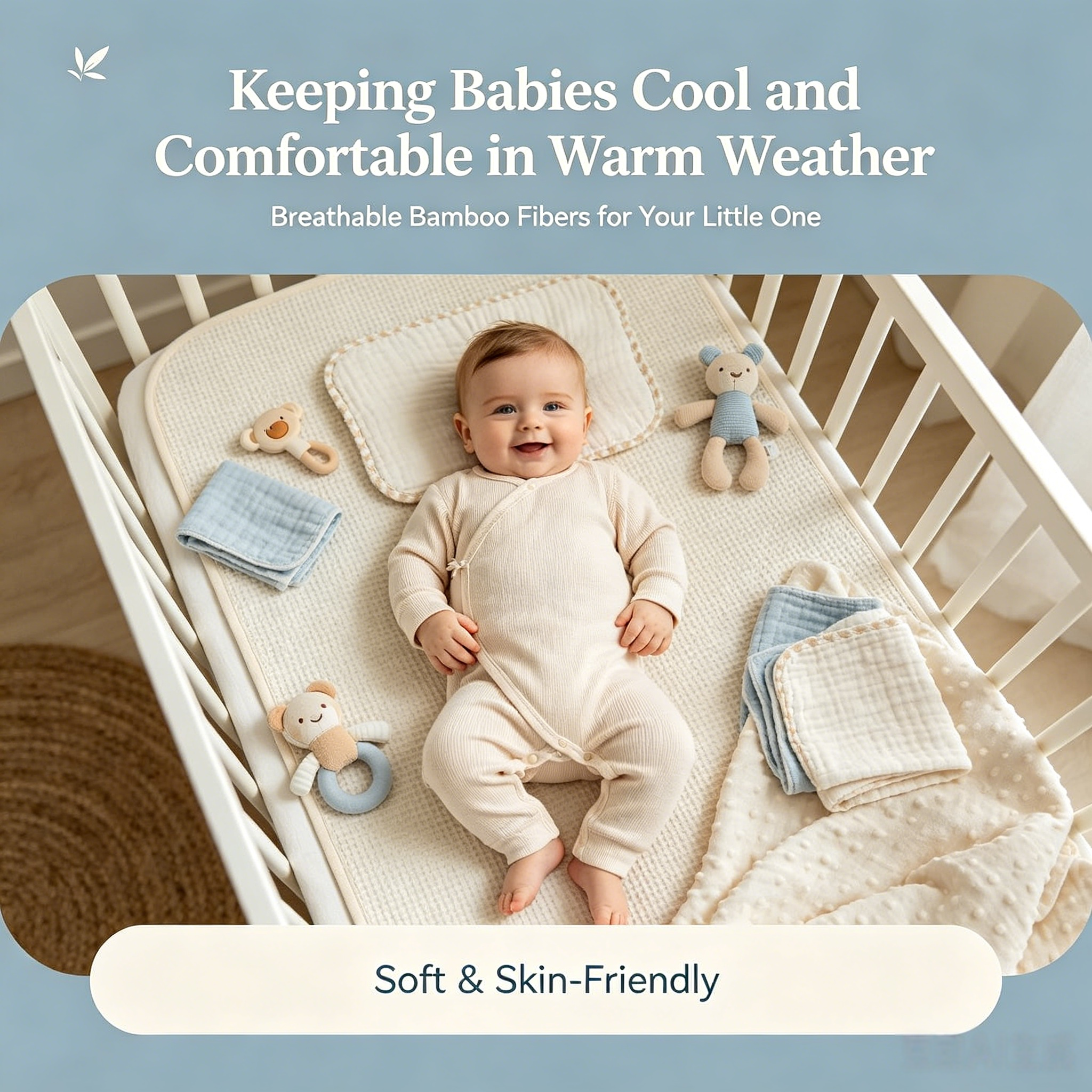
Sunlight, warm breezes, and the soft hum of summer can feel like a gentle blanket — until that blanket tugs at a parent’s attention because their smallest passenger is starting to squirm. Babies can’t tell us when they’re too hot, and their tiny bodies respond differently to warm weather than ours do. Keeping them cool and comfortable takes a mix of observation, simple adjustments, and a calm touch.
This article explores practical, evidence-aware ways to help infants stay safe and content when temperatures rise. From clothing and shade to hydration, home cooling, and what to watch for, you’ll find approachable strategies that fit everyday life. Think of it as a pocket guide for making warm days feel easy for both baby and caregiver: grounded, adaptable, and focused on comfort without fuss.
Table of Contents
- Choose breathable clothing and smart layering for day and night, with fabric tips and sleepwear recommendations
- Keep baby safely cool at home and on the go: ideal room temperatures, safe fan use, stroller shade, and car safety practices
- Prevent overheating with hydration, feeding adjustments, and gentle cooling techniques like sponge baths and cool compresses
- Recognize signs of heat stress and know when to seek medical help, plus immediate first-aid steps to stabilize and soothe
- Q&A
- The Conclusion
Choose breathable clothing and smart layering for day and night, with fabric tips and sleepwear recommendations
Think light, loose, and natural: choose garments that breathe and move with your baby rather than cling. Fabrics such as cotton, bamboo, viscose, and linen allow air to circulate and gently wick moisture away from delicate skin, while soft, open-weave fabrics help prevent overheating. Avoid heavy synthetics for everyday wear; reserve sun-rated polyester blends only for outings that require UPF protection. Simple styling tricks help too—opt for snap-front onesies, wide necks, and roomy legs so clothes can be removed quickly if your little one gets warm.
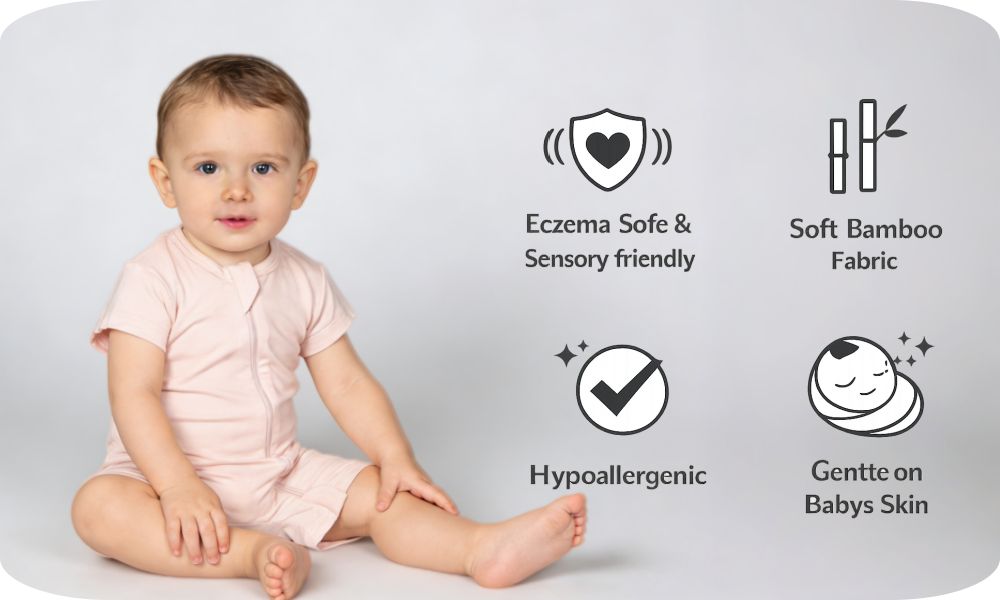
Layering should be purposeful: build a base that breathes, then add a single light layer for shade or an evening chill. For sleep, pick lightweight, breathable sleepwear with a clear TOG or weight guide—thin cotton sleepsacks or merino blends are excellent for cooler nights because they regulate temperature without bulk. Quick reference:
- Cotton: everyday comfort, excellent breathability.
- Bamboo: silky, naturally moisture-wicking, and gentle on skin.
- Linen: best for very hot days—light and airy.
- Merino wool: lightweight thermoregulation for nights that dip in temperature.
| Fabric | Best for | Why |
|---|---|---|
| Cotton | Daytime play & naps | Breathable, soft, easy to wash |
| Bamboo | Sensitive skin | Moisture-wicking, silky feel |
| Merino | Cool nights | Thermoregulating without bulk |
Keep baby safely cool at home and on the go: ideal room temperatures, safe fan use, stroller shade, and car safety practices
Maintaining a comfortable nursery is about gentle airflow and light layers—aim for roughly 20–22°C (68–72°F) for sleep, and dress your little one in one more layer than an adult would wear. Use a fan to circulate air, but place it out of reach and never blow it directly onto the cot; a quietly oscillating fan across the room creates even ventilation without chilling fragile skin. Quick checks—touch the back of the neck or chest for sweat or clamminess—are more reliable than room thermometers alone.
- Ideal sleep temp: 20–22°C / 68–72°F
- Fan rule: indirect airflow, elevated, and secure
- Layering: light cotton layers, remove if overheating
When you’re out, sun protection and never leaving a child alone in a vehicle are non-negotiable: use a stroller canopy with UPF sun protection and breathable mesh, and avoid covering the stroller with blankets that trap heat. In cars, always park in the shade when possible, use reflective windshield covers, and keep an immediate routine of checking the back seat every time you leave the vehicle. The quick table below offers simple dressing cues by outdoor temperature to help you plan outings safely.
| Outside Temp | How to Dress a Baby | On-the-Go Tip |
|---|---|---|
| <15°C / <59°F | Layers + hat | Insulated cover for stroller |
| 15–25°C / 59–77°F | Light layers, cotton | Use canopy + ventilated liner |
| >25°C / >77°F | Single cotton layer, shade | Short outings; hydrate often |
Prevent overheating with hydration, feeding adjustments, and gentle cooling techniques like sponge baths and cool compresses
Babies lose fluids quickly in warm weather, so keep a steady rhythm of small, frequent feeds and offer extra breastfeeds or formula top-ups before hunger cues fade. For older infants already on solids, include water between meals and choose moisture-rich foods like mashed fruits and pureed vegetables. Watch for subtle signs that your little one needs a drink—reduced wet diapers, sunken eyes, or unusual fussiness—and respond promptly; a few extra sips can make a big difference. Hydration is the first line of comfort and safety on hot days.
Simple, soothing measures cool without shocking: remove extra layers, move into shade or a well-ventilated room, and use cool (not cold) sponge baths or a cool compress on the forehead and neck. Try these quick habits at home:
- Dress lightly: one breathable layer and a hat outdoors.
- Time feeds: offer milk before naps to keep them hydrated and calm.
- Spot check: touch the chest or back of the neck—cool is good, clammy or hot needs attention.
Below is a simple guide to match temperature to action for calm, practical care:
| Room Temp | Quick Action |
|---|---|
| 20–24°C (68–75°F) | Light clothes, regular feeds |
| 25–29°C (77–84°F) | Increase fluids, cool compresses |
| 30°C+ (86°F+) | Sponge bath, move to cooler space, monitor closely |
Recognize signs of heat stress and know when to seek medical help, plus immediate first-aid steps to stabilize and soothe
Babies can’t tell you they’re too hot, so watch for subtle changes in behavior and appearance. Urgent medical attention is needed if you notice any of the following:
- Very high temperature (for infants under 3 months, a fever of 38°C/100.4°F or higher requires prompt medical advice; for older babies, temperatures approaching 40°C/104°F are an emergency).
- Unusually drowsy or difficult to wake, or very weak/limp movements.
- Rapid or struggling breathing, blue lips, persistent vomiting, seizures, or a skin that is hot and dry with no sweating.
- Markedly decreased urine output (far fewer wet nappies) or signs of severe dehydration.
If you see any of these, call emergency services or get to a doctor immediately—do not wait for gradual improvement.
For mild to moderate heat stress, you can act straight away to stabilize and soothe your baby. Start by moving them to a cool, shaded area and removing extra layers so their skin can breathe. Use these immediate steps:
- Cool down gently: sponge the baby with lukewarm (not cold) water, especially on the neck, armpits, and groin; place cool compresses on these areas.
- Keep air moving: use a fan or stand in a shaded breeze to help evaporation; avoid direct blasts of cold air.
- Rehydrate if alert: offer breastmilk or formula; do not force fluids if the baby is vomiting or very sleepy—seek help.
- Avoid aspirin or adult medicines; take the temperature with a digital thermometer and follow medical advice for fever management.
| Quick sign | Immediate action |
|---|---|
| Warm, flushed skin; unsettled | Move to shade, remove layers, sponge with lukewarm water |
| Refuses feeds but alert | Offer breastmilk/formula; contact your paediatrician if poor intake continues |
| High fever (infant <3 months) or seizures | Seek immediate medical care—call emergency services |
When in doubt, trust your instincts—if your baby seems seriously unwell, get medical help without delay.
Q&A
Q: How can I tell if my baby is too hot?
A: Check their neck or chest — if it feels sweaty or hot, they may be overheated. Other signs include flushed or very red skin, rapid breathing, fussiness, poor feeding, decreased urine output, or unusually sleepy behavior. Heat rash (small red bumps) and irritability are milder signs; extreme lethargy, vomiting, high body temperature, or seizures require immediate medical attention.
Q: What room temperature is best for a baby in warm weather?
A: Aim for a comfortable indoor range around 68–72°F (20–22°C) for safe sleep and general comfort. If it’s warmer, increase airflow with fans or air conditioning, and check the baby’s neck for sweat rather than relying only on room temperature numbers.
Q: How should I dress my baby when it’s hot?
A: Use lightweight, breathable fabrics (cotton or bamboo blends), light colors, and minimal layers. One thin layer plus a light blanket for sleep is often enough; remove layers if the baby seems warm. For very hot days, a single onesie or diaper during supervised play is fine. Avoid plastic-lined garments that trap heat.
Q: Can I use a fan or air conditioner for my baby?
A: Yes. A ceiling or oscillating fan helps circulate air; direct, high-velocity air at a newborn’s face is unnecessary. Air conditioning is safe and effective at preventing overheating. Keep the baby out of direct cold drafts and ensure the room isn’t excessively dry.
Q: Should I give my baby water when it’s hot?
A: For babies under 6 months, breastmilk or properly prepared formula provides all necessary hydration and electrolytes; extra water can be harmful. For babies older than 6 months, small amounts of water are okay in addition to milk, especially during hot spells or with increased activity; consult your pediatrician for specific guidance.
Q: What do I do if my baby seems overheated?
A: Move them to a cooler place, remove excess clothing, offer breastmilk or formula, and cool them with a lukewarm sponge bath or cool (not icy) compresses to the neck, armpits, and groin. Monitor closely and seek medical help if they become listless, vomit, stop urinating, or show signs of heat stroke (very high temperature, confusion, or seizures).
Q: How can I protect my baby from the sun?
A: Keep infants out of direct sunlight, especially between 10 a.m. and 4 p.m. Use shade (umbrellas, stroller canopies), UPF clothing, and wide-brimmed hats. For babies under 6 months, prioritize shade and clothing over sunscreen; if sun exposure is unavoidable, consult your pediatrician before using sunscreen. For babies 6 months and older, apply a broad-spectrum SPF 30+ sunscreen to exposed areas and reapply every two hours or after swimming.
Q: Is it safe to leave my baby in a stroller or car seat outside to nap in warm weather?
A: Avoid leaving a sleeping baby in a stroller or car seat in direct sun or hot conditions; these seats can trap heat and increase risk of overheating. For car seats in hot cars, never leave a child unattended — temperatures rise rapidly and can become deadly in minutes.
Q: How do I keep my baby cool when traveling by car?
A: Pre-cool the car with air conditioning, park in shade when possible, use sunshades on windows, dress the baby in light clothing, and check the seat surface temperature before placing the baby down. Never leave the baby alone in a parked vehicle, even briefly.
Q: Are cold baths a good idea to cool a baby down?
A: Use a lukewarm to slightly cool bath rather than very cold water, which can cause shivering and distress. A gentle sponge bath with tepid water can help lower body temperature safely. After bathing, dry and dress the baby in lightweight clothing.
Q: What about breastfeeding or formula feeding more often in hot weather?
A: Increased feeding is normal — babies may nurse or want formula more frequently when it’s warm. Offer feeds on demand. For infants under 6 months, milk offers adequate hydration; for older babies, small sips of water can be introduced as needed.
Q: How can I prevent or treat heat rash and diaper rash in hot weather?
A: Prevent heat rash by dressing in breathable fabrics, reducing layers, and keeping skin dry and cool. For mild heat rash, keep the area cool and exposed to air; avoid oily creams that can block pores. For diaper rash, change diapers frequently, air the area when possible, and use a barrier cream if recommended by your pediatrician.
Q: How do I distinguish fever from overheating?
A: Fever is an internal increase in body temperature usually from infection and may be accompanied by poor feeding, lethargy, or other illness signs. Overheating often presents with flushed or sweaty skin, rapid breathing, and irritability, and improves when cooled down. If you’re unsure, check the baby’s temperature with a reliable thermometer and contact your pediatrician when in doubt.
Q: Are there special considerations for newborns or premature babies?
A: Yes. Newborns and preterm infants have less ability to regulate body temperature and are more vulnerable. Keep them in a cool, draft-free environment, avoid overdressing, monitor frequently, and consult your pediatrician for individualized guidance.
Q: When should I seek emergency medical care?
A: Call emergency services or seek prompt medical attention if the baby is unresponsive, has difficulty breathing, convulsions, persistent vomiting, very high body temperature, signs of heat stroke, or markedly decreased urination. For any rapid deterioration or severe symptoms, err on the side of immediate care.
The Conclusion
As the sun climbs and the days grow long, keeping your little one comfortable is largely about small, steady choices: lightweight layers, shady spots, frequent sips, and close watching. These simple routines—tuned to your baby’s cues and the changing weather—can turn potentially sticky afternoons into calm, safe moments filled with ease.
Choosing breathable essentials also makes a meaningful difference during warmer days. Thoughtfully designed bamboo clothing, like the pieces from CloudsBoo, helps babies stay cool and comfortable with ultra-soft, lightweight fabrics that feel gentle against sensitive skin. Soft, moisture-wicking materials allow little ones to move, nap, and explore more freely, whether you’re enjoying a quiet day at home or heading outdoors for summer adventures.
Trust your observations, lean on shade and airflow, and don’t hesitate to reach out to your pediatrician if your baby seems unusually hot, lethargic, or irritable. Sometimes, comfort comes down to the smallest details—a breathable romper, a cozy blanket, or clothing that feels like a soft second skin.
With a bit of planning and a calm eye, warm-weather days can feel gentle and enjoyable for both you and your baby. Carry the basics, stay cool, and let comfort—and softness—be your guide.