
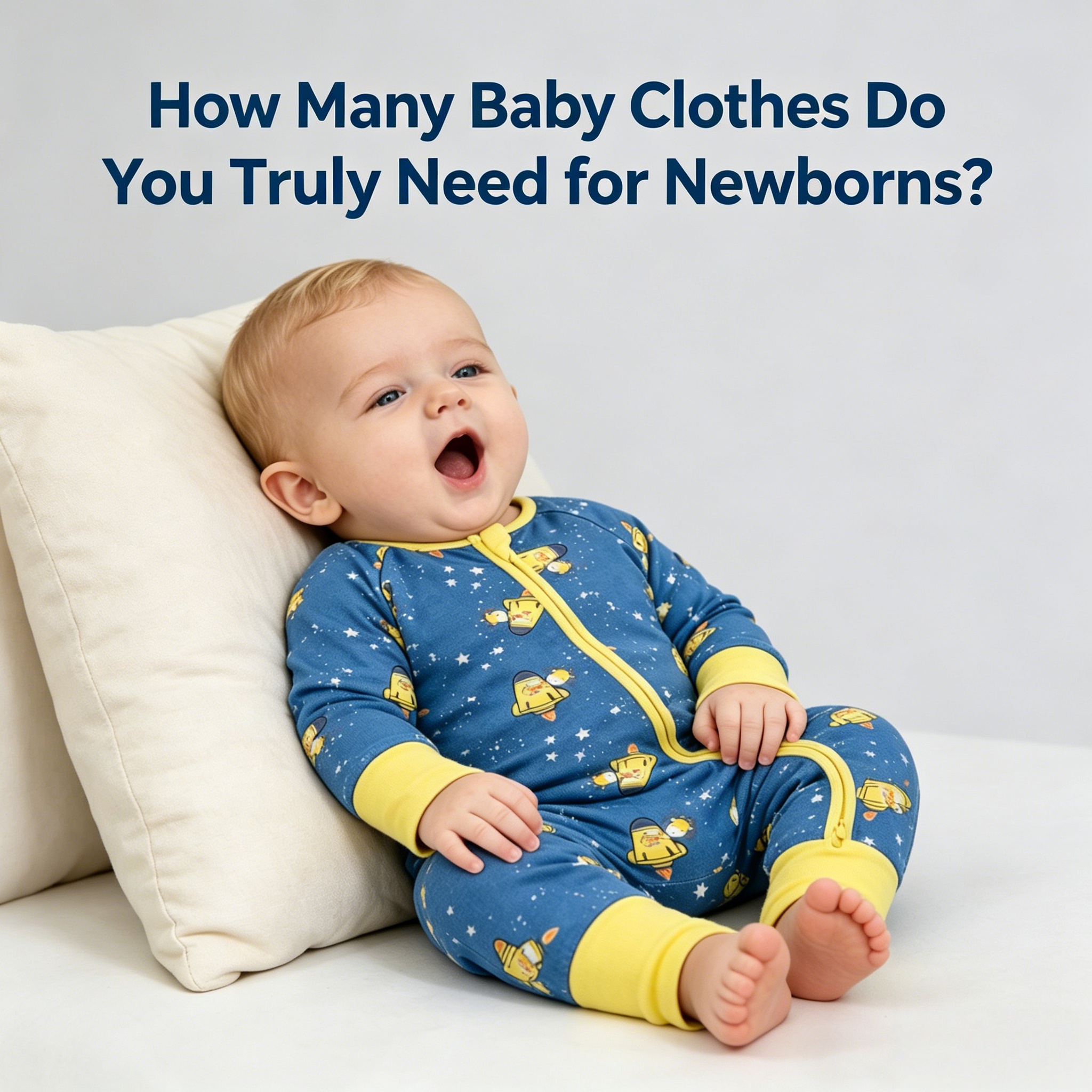
Welcoming a newborn into the world is a whirlwind of excitement, preparation, and often, a mountain of tiny clothes. As eager parents sift through endless aisles and online carts bursting with adorable onesies, sleepers, and mittens, a common question arises: how many baby clothes do you truly need for a newborn? Striking the right balance between practical necessity and adorable abundance can be surprisingly tricky. This article peels back the layers of this fresh-parent conundrum, offering insight into what really counts when building a newborn wardrobe—helping you prepare without the overwhelm.
Table of Contents
- Essential Clothing Types Every Newborn Wardrobe Should Include
- Balancing Quantity and Practicality for Everyday Baby Outfits
- Fabric Choices and Comfort Considerations for Sensitive Skin
- Seasonal Adjustments to Optimize Your Newborn’s Clothing Needs
- Tips for Efficient Laundry and Clothing Rotation to Reduce Bulk
- Q&A
- To Conclude
Essential Clothing Types Every Newborn Wardrobe Should Include
Incorporating a few lightweight swaddling blankets or wearable blankets helps soothe and regulate your newborn’s temperature securely. Additionally, consider including a couple of hats and mittens—hats to keep that delicate head warm and mittens to prevent accidental scratching. By focusing on these foundational pieces, you ensure your baby’s wardrobe is both practical and prepared for any season or occasion.
| Clothing Type | Recommended Quantity | Purpose |
|---|---|---|
| Bodysuits | 5-7 | Daily wear with easy diaper changes |
| Sleepers/Footed Pajamas | 4-6 | Comfortable sleepwear, warmth at night |
| Swaddling Blankets | 2-3 | Soothing & safe sleeping wrap |
| Hats & Mittens | 2-3 sets | Temperature regulation & scratch protection |
Balancing Quantity and Practicality for Everyday Baby Outfits
Quality over quantity is a mantra worth embracing. A carefully selected capsule wardrobe consisting of soft, durable fabrics and comfortable designs ensures the baby stays cozy while you avoid constant laundering battles. Keep a modest stash of favorites that can handle multiple wears before washing, and opt for clothing that accommodates layering, so your little one is ready for every season.
- Focus on essentials like onesies, sleepers, and soft pants
- Choose neutral colors to maximize mix-and-match potential
- Include a few statement pieces for special occasions
- Keep layering items handy for fluctuating temperatures
| Item | Recommended Quantity | Why It Matters |
|---|---|---|
| Onesies | 6–8 | Workhorse pieces that are easy to change |
| Sleepers | 4–6 | Comfortable for night and day use |
| Pants | 4–5 | Allows movement and layering |
| Sweaters/Cardigans | 2–3 | Essential for temperature control |
Fabric Choices and Comfort Considerations for Sensitive Skin
When selecting garments, keep these key factors in mind:
- Softness: Smooth textures prevent chafing and red marks.
- Breathability: Fabrics that allow airflow help regulate body temperature and reduce sweating.
- Tag and seam placement: Tags and rough seams can cause discomfort—look for tagless options or flat seams.
- Easy care: Choose fabrics that hold up well to gentle washing without losing softness.
| Fabric | Why It’s Great | Care Tips |
|---|---|---|
| Organic Cotton | Soft, breathable, hypoallergenic | Machine wash cold, gentle cycle |
| Bamboo | Moisture-wicking, naturally antibacterial | Hand wash or delicate machine wash |
| Muslin | Lightweight, airy, super soft | Machine wash warm, tumble dry low |
Seasonal Adjustments to Optimize Your Newborn’s Clothing Needs
Here’s a quick guide to seasonal essentials that can help you pack just right:
- Winter: Thermal onesies, fleece sleepers, knitted hats, and socks
- Spring: Light jackets, long-sleeve bodysuits, and soft trousers
- Summer: Cotton short sleeves, sun hats, and lightweight rompers
- Autumn: Layered outfits with cardigans and breathable pants
| Season | Recommended Fabrics | Essential Items |
|---|---|---|
| Winter | Cotton, Fleece, Wool | Layered onesies, hats, mittens |
| Spring | Light cotton, Jersey | Long sleeve bodysuits, light jackets |
| Summer | Breathable cotton, Linen | Rompers, sun hats, singlets |
| Autumn | Cotton, Light wool blends | Cardigans, soft pants |
Tips for Efficient Laundry and Clothing Rotation to Reduce Bulk
Maximizing the usability of a limited number of baby clothes can be both an art and a science. One key strategy involves setting up a simple laundry routine that complements your baby’s needs without overwhelming your schedule. Aim to wash commonly used items like onesies and sleepers every two to three days, ensuring you always have a fresh rotation on hand. Keeping clothes grouped by type and size in separate bins or drawers helps streamline the selection process, allowing you to quickly find what’s needed without rifling through heaps of garments.
Introducing a deliberate rotation method reduces bulk and wear on your baby’s wardrobe. Consider using a small, defined capsule collection of essential items, mixing and matching them throughout the week. This system allows you to:
- Minimize clutter by focusing on sturdy, versatile pieces.
- Easily identify outgrown or worn-out clothes to replace.
- Optimize laundry loads to conserve water and energy.
| Clothing Type | Suggested Quantity | Laundry Frequency |
|---|---|---|
| Onesies | 6-8 | Every 2-3 days |
| Sleepers | 4-6 | Every 3-4 days |
| Socks & Hats | 4-5 sets | Every 4-5 days |
Q&A
Q&A: How Many Baby Clothes Do You Truly Need for Newborns?
Q1: How many onesies should I have ready before my baby arrives?
A: Aim for about 6 to 8 onesies. Newborns tend to have multiple outfit changes a day due to spills, spit-ups, and diaper leaks, so having close to a week’s worth of onesies helps keep laundry manageable without constant washing.
Q2: What about sleepers and pajamas? How many are enough?
A: Around 5 to 7 sleepers or footed pajamas are ideal. Babies sleep a lot and are most comfortable in these soft, all-in-one outfits. They also make nighttime diaper changes simpler, so having about a week’s supply covers you well.
Q3: Should I invest in a large quantity of newborn-sized clothes or go for slightly bigger sizes?
A: While it’s tempting to buy a mountain of newborn sizes, babies grow quickly! It’s wise to purchase a modest amount of newborn clothes and balance with more 0-3 month sizes. This way, you won’t be stuck with too many items that your baby outgrows before wearing.
Q4: How many socks and hats do newborns actually need?
A: Since newborns can easily lose socks and hats, having 4 to 6 pairs of socks and a few soft hats is practical. They’re small and can get lost or dirty quickly, so extras are helpful without overwhelming your wardrobe.
Q5: Do I need special “going home” outfits?
A: Many parents choose one or two special outfits for that memorable trip home. Keep in mind that comfort is key—select something soft, easy to put on, and weather-appropriate. But remember, your newborn will probably register the ride more than the clothes!
Q6: How often should I plan to do laundry with newborn clothes demands?
A: Expect to do laundry approximately every 2 to 3 days. Newborn messes happen frequently, and having around a week’s worth of clothes ensures you’re not caught off guard before laundry day.
Q7: Are there any types of clothes or fabrics best avoided for newborns?
A: Avoid anything itchy, stiff, or with too many snaps and buttons, which can irritate sensitive skin. Opt for soft cotton or bamboo fabrics, and clothes labeled hypoallergenic to keep your baby comfortable.
Q8: Can receiving baby clothes as gifts reduce how many I need to buy?
A: Absolutely! Many parents receive a generous amount of clothing from family and friends. It’s often best to hold off on excessive purchases and see what you accumulate from gifts first—then fill in any gaps.
Q9: What about special occasion clothes for newborns?
A: Newborns don’t require many formal outfits, as comfort is more important than fashion at this stage. One or two special pieces for holidays or family photo sessions are sufficient.
Q10: How much does personal lifestyle affect how many clothes you need?
A: Greatly! If you’re frequently out and about, you might want extra clothes handy. Conversely, if you stay mainly at home, a leaner wardrobe works. Also, access to laundry facilities can influence how many clothes you want on hand. Adjust your stash according to your routine and preferences.
To Conclude
Finding the perfect balance in the number of baby clothes for your newborn is an art that blends practicality with a touch of preparedness. While it’s tempting to stock up on every adorable onesie and tiny sock, remembering that babies grow quickly—and that laundry will become a regular part of your routine—can help you curate a manageable, loving wardrobe. Ultimately, the right amount is the one that fits seamlessly into your lifestyle, leaving you more time to cherish those precious, fleeting moments with your little one. After all, in the world of baby clothes, less can truly be more.