
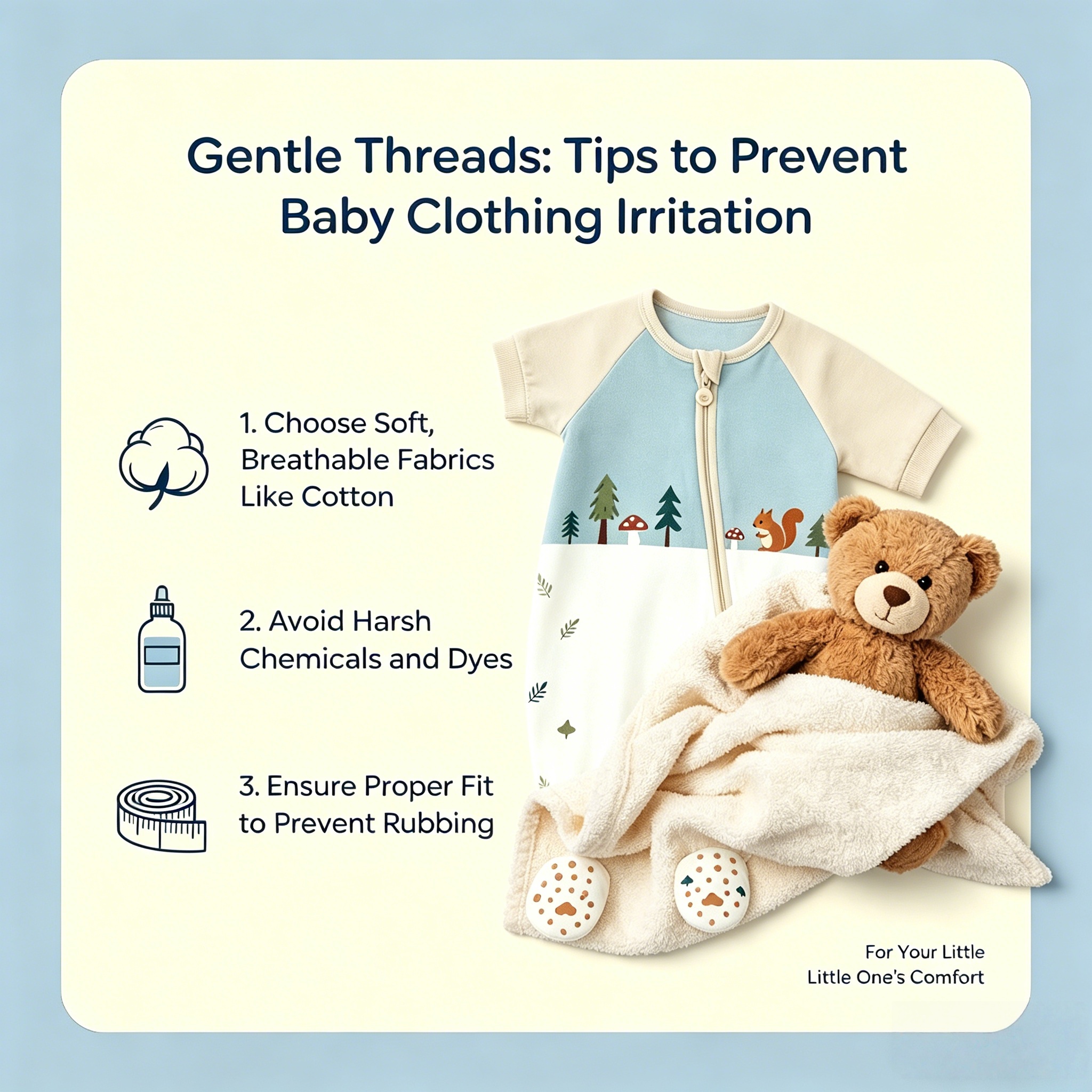
In the delicate world of infancy, where every touch matters, the clothes that wrap our little ones play a silent yet powerful role. “Gentle Threads: Tips to Prevent Baby Clothing Irritation” invites you to explore the subtle art of choosing and caring for baby garments that comfort without compromise. From the softness of fabric to thoughtful design details, this guide unveils practical ways to keep your baby’s skin happy and irritation-free, ensuring that the smallest outfits offer nothing but gentle hugs throughout their earliest days.
Table of Contents
- Understanding Common Causes of Baby Clothing Irritation
- Choosing the Softest Fabrics for Sensitive Baby Skin
- Essential Laundry Practices to Keep Baby Clothes Gentle
- Design Features That Make Baby Clothes Comfortable
- Practical Tips for Dressing to Avoid Irritation and Promote Comfort
- Q&A
Understanding Common Causes of Baby Clothing Irritation
- Wash baby clothes separately using hypoallergenic, fragrance-free detergents
- Opt for tagless garments or carefully remove tags without damaging the fabric
- Choose loose-fitting clothes with soft seams to minimize pressure points
| Common Irritation Cause | Why It Matters | Preventative Measure |
|---|---|---|
| Rough Fabrics | Trap moisture, cause chafing | Choose breathable natural fibers |
| Detergent Residue | Allergic reactions and rashes | Use baby-safe detergent, rinse well |
| Tight Seams | Pressure marks, discomfort | Select loose, soft-seamed clothes |
Choosing the Softest Fabrics for Sensitive Baby Skin
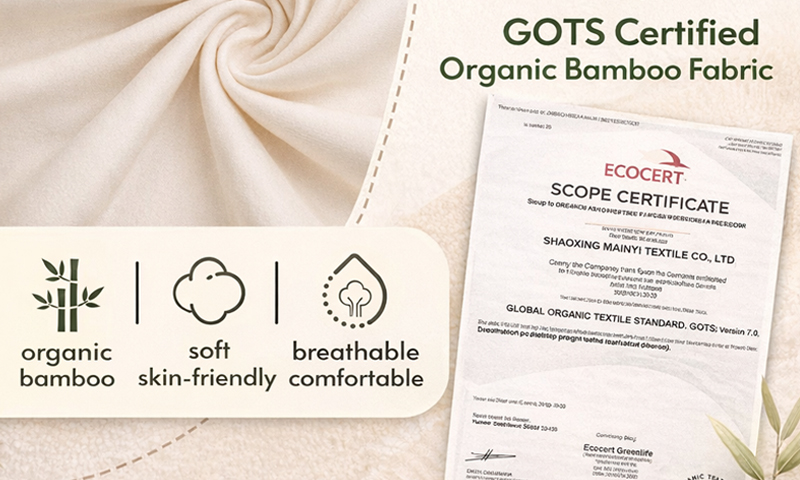
When selecting fabrics for your baby’s wardrobe, prioritizing materials that offer softness and breathability is essential. Natural fibers like organic cotton, bamboo, and muslin provide a gentle touch, reducing the risk of irritation on delicate skin. Unlike synthetic textiles, these fabrics allow air to circulate freely, helping to prevent overheating and moisture buildup, which can aggravate sensitive skin.
Consider integrating these fabric options into your baby’s essentials:
- Organic Cotton: Hypoallergenic, highly breathable, and incredibly soft.
- Bamboo Fabric: Naturally antimicrobial and moisture-wicking, perfect for layering.
- Muslin: Lightweight with a loose weave that soothes and cools.
| Fabric | Key Benefits | Best For |
|---|---|---|
| Organic Cotton | Soft, breathable, eco-friendly | Everyday wear |
| Bamboo | Antimicrobial, moisture-wicking | Sleepwear & layering |
| Muslin | Lightweight, airy texture | Swaddles & summer outfits |
Always look for clothing labeled as free from harmful dyes and chemicals, since untreated fabrics are kinder to newborn skin. Moreover, opting for gently washed and soft-finished materials will help maintain that comforting feeling all day long—because when tiny threads treat baby skin with care, comfort follows naturally.
Essential Laundry Practices to Keep Baby Clothes Gentle
- Use gentle detergents: Avoid dyes and optical brighteners
- Extra rinse cycle: Removes detergent residue
- Sort fabrics: Keep heavy items separate from delicate wear
- Wash in cold or warm water: Preserve fabric integrity
- Choose low heat drying or air dry: Maintain softness and fit
Design Features That Make Baby Clothes Comfortable
- Seamless or flatlock stitching prevents pressure points.
- Wide neck openings for easy over-the-head dressing.
- Soft, covered snaps or zippers to protect sensitive skin.
- Stretchy cuffs and waistbands that do not pinch or bind.
| Feature | Benefit |
|---|---|
| Organic Cotton | Breathable and hypoallergenic |
| Flat Seams | Reduces skin irritation |
| Tagless Labels | Prevents scratching |
| Snug Fit | Keeps clothes in place without tightness |
Practical Tips for Dressing to Avoid Irritation and Promote Comfort
Choosing the right garments for your little one is not just about style—it’s about nurturing tender skin with every stitch. Start by embracing natural fabrics like organic cotton, bamboo, or linen. These fibers allow air to circulate freely, preventing moisture build-up and reducing the chance of chafing. Avoid synthetic materials that can trap heat and cause discomfort throughout the day.
Beyond fabric choice, pay close attention to the garment’s construction. Opt for clothing with flat seams or seamless designs, as raised seams often rub against delicate skin, leading to irritation. Tagless labels or even clothes with printed tags can provide relief from the constant itch caused by traditional tags. Additionally, ensure every piece fits comfortably—not too tight to restrict movement, but not so loose that it bunches and rubs unexpectedly.
- Wash new clothing before the first wear to remove residual dyes or chemicals
- Use mild, fragrance-free detergents designed for sensitive skin
- Layer with thin, breathable pieces to adapt to temperature changes
- Regularly check for wear and tear that could cause irritation
| Fabric Type | Benefit | Avoid |
|---|---|---|
| Organic Cotton | Soft, breathable, hypoallergenic | Synthetic blends |
| Bamboo | Moisture-wicking, antibacterial | Wool (can be itchy) |
| Linen | Lightweight, airy, durable | Rough-textured fabrics |
Q&A
Q&A: Gentle Threads – Tips to Prevent Baby Clothing Irritation
Q1: Why do babies often experience irritation from their clothes?
A1: Babies have incredibly sensitive skin that’s thinner and more delicate than adults’. Fabrics with rough textures, tight seams, or harsh chemicals can easily cause redness, itching, and discomfort, leading to irritation.
Q2: What types of fabrics are best for preventing baby clothing irritation?
A2: Natural, breathable fabrics like organic cotton, bamboo, and soft linen are gentler on baby skin. These materials allow air circulation, reduce moisture buildup, and minimize allergic reactions compared to synthetic fibers.
Q3: How important is washing baby clothes before first use?
A3: Washing is crucial! New clothes often carry dyes, chemicals, or residues from manufacturing. A gentle, fragrance-free detergent wash helps remove these irritants and softens the fabric, making it safer and more comfortable for baby.
Q4: Are there specific clothing features parents should look out for?
A4: Absolutely. Look for tagless designs or clothes with soft, embroidered labels to avoid scratchiness. Seamless or flat seams reduce friction, and loose-fitting garments prevent chafing without compromising warmth.
Q5: How can layering clothing affect a baby’s skin comfort?
A5: Layering can be a double-edged sword. While it helps regulate temperature, too many layers or tight clothing may trap heat and moisture, increasing irritation risk. Choose lightweight layers and adjust based on the environment.
Q6: What role do detergents and fabric softeners play in irritation?
A6: Some detergents contain dyes and fragrances that can irritate a baby’s skin. Opt for hypoallergenic, fragrance-free detergents and avoid fabric softeners, which can leave residues that irritate.
Q7: Can clothing choices help with babies prone to eczema or other skin conditions?
A7: Yes, clothing plays a supportive role. Soft, breathable, and chemical-free fabrics reduce flare-ups. Avoid wool and synthetic fabrics, and always ensure clothes are clean and dry to minimize skin stress.
Q8: Are there any quick tips for soothing irritated skin caused by clothes?
A8: Remove the irritating garment immediately and gently cleanse the area with lukewarm water. Use a baby-safe, fragrance-free moisturizer to soothe the skin. If irritation persists, consult a pediatrician.
Q9: How can parents balance style and comfort in baby clothes?
A9: Comfort always takes priority, but many brands now blend both. Choose clothes with gentle fabrics, smooth finishes, and minimal embellishments. Soft colors and simple designs can be just as charming without compromising gentleness.
Q10: What key takeaway should parents remember about preventing baby clothing irritation?
A10: Prioritize gentle, breathable, and chemical-free fabrics, wash new items thoroughly, and keep fit and layers appropriate. Close attention to these details helps nurture your baby’s delicate skin with every gentle thread.