
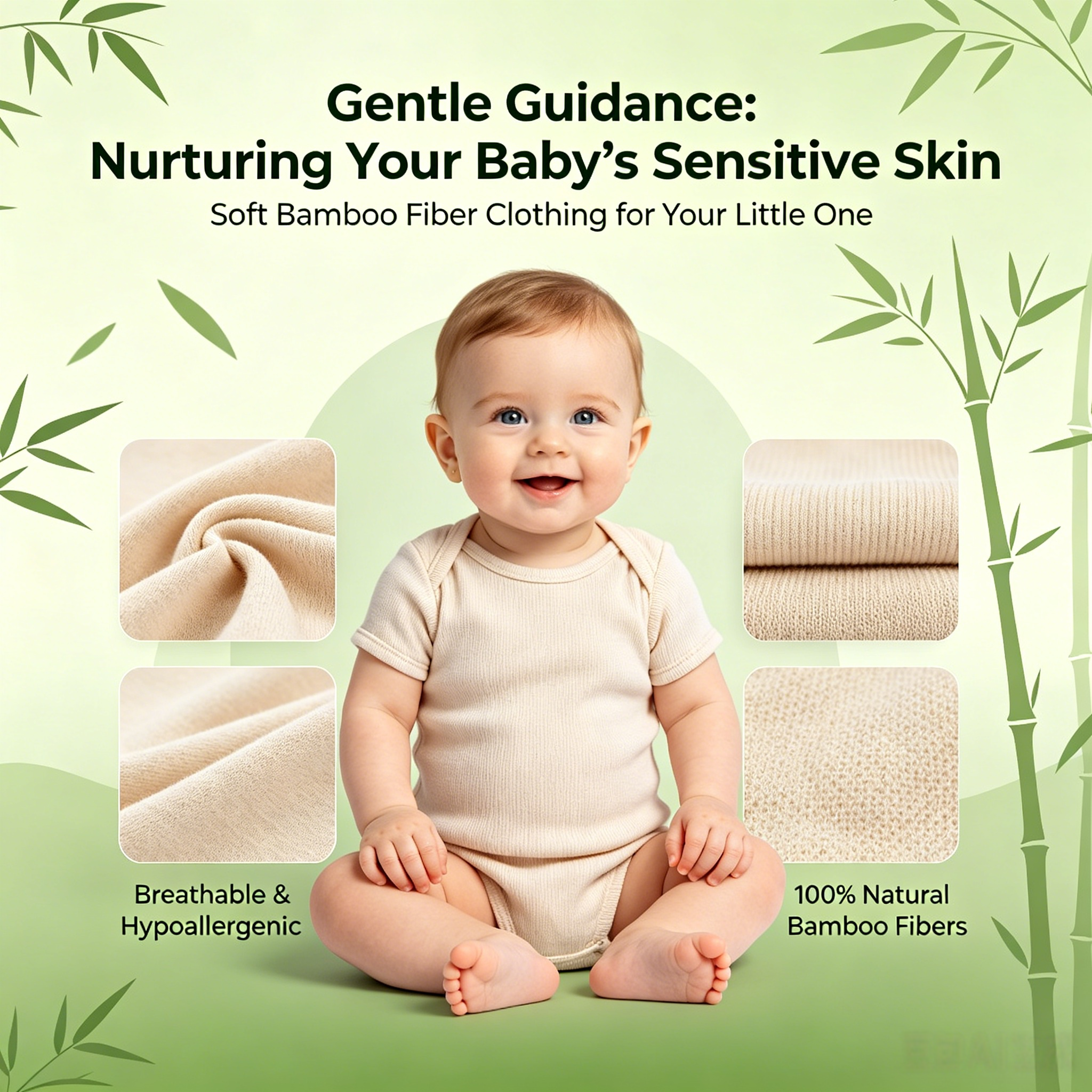
Like the first pages of a new book, a newborn’s skin carries its own quiet story—delicate, responsive, and constantly changing. “Gentle Guidance: Nurturing Your Baby’s Sensitive Skin” opens that story with practical compassion, offering parents and caregivers clear-headed ways to protect and support the softest barrier their child will wear.
This introduction will guide you through what makes infant skin uniquely sensitive, common challenges you might encounter (from dryness and irritation to rashes and eczema), and simple, evidence-minded habits that can reduce discomfort and promote healthy skin development. Expect straightforward tips on bathing, moisturizing, clothing choices, and product selection, along with cues for when to consult a pediatrician.
Whether you’re preparing for a newborn or navigating early parenthood, this article aims to replace uncertainty with calm, doable practices—so your baby’s skin can flourish, and you can feel confident in the care you provide.
Table of Contents
- Understanding Baby’s Sensitive Skin: Common Causes, Early Signs, and When to Consult a Pediatrician
- Daily Care Routines That Protect and Soothe: Bathing Tips, Moisturizing Strategies, and Room Humidity Guidance
- Choosing the Right Products and Fabrics: Fragrance-Free Cleansers, Hypoallergenic Moisturizers, and Gentle Clothing Choices
- Managing Irritations and Eczema Flare Ups: Safe Topical Approaches, Wet Wraps, and Trigger Reduction
- Building a Gentle Long-Term Plan: Allergy Assessment, Feeding Considerations, and a Practical Sensitive Skin Checklist
- Q&A
- Closing Remarks
Understanding Baby’s Sensitive Skin: Common Causes, Early Signs, and When to Consult a Pediatrician

Babies are born with a delicate protective layer that can be easily upset by genetics, the environment, or simple everyday contact. Common triggers include family history of eczema or allergies, dry air, heat and sweat, harsh soaps or fragranced detergents, and even constant drooling or friction from clothing. Newborn skin is extra thin and reacts quickly, so small changes in routine or products can show up as redness, flaking, or raised bumps within hours or days.
- Red patches — localized irritation that doesn’t fade after gentle cleansing.
- Rashy bumps — often clustered in skin folds, cheeks, or diaper area.
- Persistent fussiness — rubbing, scratching, or disturbed sleep from itch.
- Cracked or weeping skin — raw areas that risk infection.
- Widespread rash with fever — requires prompt attention.
Seek pediatric advice when a rash is accompanied by fever, spreading rapidly, oozing pus, causing breathing or feeding problems, or when swelling and tightness suggest an allergic reaction. For less urgent concerns, bring photos, a list of recent products and foods, and note timing of flare-ups; these details help your pediatrician identify triggers and recommend safe treatments. In an emergency—difficulty breathing, blue lips, or sudden severe swelling—get immediate medical care.
| Sign | Possible Cause | Quick Action |
|---|---|---|
| Small red bumps | Heat or contact irritation | Cool compress, light clothing |
| Cracked, bleeding skin | Severe dryness or eczema | Gentle emollient, see pediatrician |
| Blisters or oozing | Possible infection | Medical evaluation |
For everyday care, favor fragrance-free, mild cleansers, regular emollients, breathable cotton, gentle laundry products, and short nails to limit damage from scratching. Patch-test any new cream on a small area and keep the nursery comfortably cool to avoid sweating. These small, consistent choices often calm sensitive skin—yet when irritation persists or worsens, your pediatrician is the best ally in tailoring safe treatments for your baby.
Daily Care Routines That Protect and Soothe: Bathing Tips, Moisturizing Strategies, and Room Humidity Guidance
Bath time can be a calm ritual rather than a scramble—keep water lukewarm (about 37°C/98–100°F) and limit soaks to 5–10 minutes to protect the skin’s natural oils. Use a mild, fragrance-free cleanser sparingly, focusing on folds and diaper areas; for newborns, a simple wet cloth often does the trick. After patting dry, apply gentle pressure rather than rubbing and dress in soft, breathable fabrics to lock in comfort.
- Water temperature: test with your wrist or an accurate thermometer.
- Bath frequency: 2–3 times a week for most infants; spot-clean as needed.
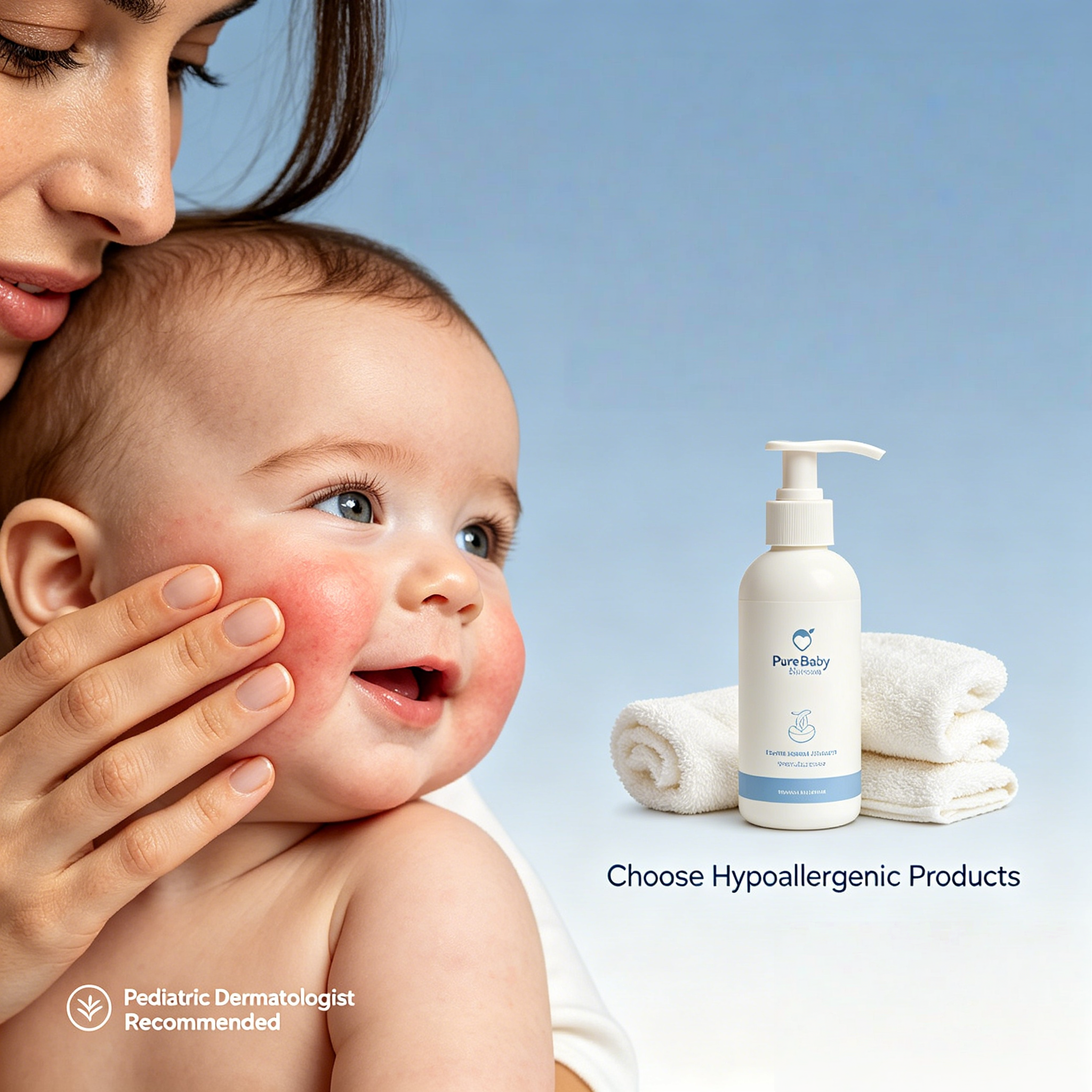
- Products to choose: fragrance-free, hypoallergenic, and minimal-ingredient formulas.
- Drying: pat dry, then apply moisturizer within 3 minutes to seal moisture.
Moisturizing is the quiet hero of daily care—choose a thicker, emollient cream for dry patches and a lighter lotion for normal skin, always applied while skin is still slightly damp. Keep the nursery at a steady, comfortable humidity (about 40–50%) to prevent skin from flaking or itching; a small, quiet humidifier with a visible gauge helps you maintain consistency. Watch for reactions and rotate products if any irritation appears, keeping one trusted pediatrician-recommended product on hand.
| Need | Quick recommendation |
|---|---|
| Dry winter air | Humidifier to 45% + rich cream after bath |
| Heat rash | Light, breathable clothing + avoid over-bundling |
| Sensitive newborn skin | Scent-free oil or gentle cream; minimal product changes |
Choosing the Right Products and Fabrics: Fragrance-Free Cleansers, Hypoallergenic Moisturizers, and Gentle Clothing Choices
When choosing bath and skincare items for your little one, think minimalist: fragrance-free, pH-balanced cleansers with gentle surfactants and short ingredient lists reduce the chance of irritation. Opt for moisturizers that emphasize barrier repair ingredients such as ceramides, glycerin, and dimethicone, and avoid unnecessary botanical extracts and perfumes that can be sensitizing. Always perform a small patch test and introduce one new product at a time so you can spot reactions quickly.
Fabric choices and laundering matter just as much as the creams you use. Select soft, breathable materials and adopt gentle washing habits to keep garments comfortable and safe. Simple rules to follow include:
- Look for natural fibers like cotton or bamboo blends for next-to-skin layers.
- Skip fabric softeners and scented detergents; choose a mild, fragrance-free baby detergent instead.
- Wash new clothes before first wear to remove finishes and excess dyes.
- Trim or remove coarse tags and prefer flat seams to prevent rubbing.
| Fabric | Feel | Breathability | Best For |
|---|---|---|---|
| Cotton | Soft | High | Daily wear, sensitive skin |
| Bamboo blend | Silky | Very high | Warm climates, moisture-wicking |
| Merino (lightweight) | Soft but textured | Good | Temperature regulation; test for itchiness first |
| Synthetics | Smooth | Variable | Avoid close to skin if prone to irritation |
Managing Irritations and Eczema Flare Ups: Safe Topical Approaches, Wet Wraps, and Trigger Reduction
Treating flare-ups gently means choosing products and techniques that support the skin’s natural barrier rather than strip it away. Reach for a plain, fragrance-free emollient and apply liberally—think of moisturising as the daily protective ritual. For short-term inflammation, low‑potency topical steroids prescribed by your clinician can calm redness; use them exactly as directed and pair them with regular emollient layers. Ointments often work better than creams for very dry patches because they lock in moisture, while lighter lotions suit everyday maintenance. When using any medicated cream, apply a thin layer to the affected area and avoid mixing with fragranced products to reduce irritation.
- Wet wrap basics: apply emollient, cover with a warm, damp layer (cotton), then a dry layer—leave for 1–4 hours or overnight only if comfortable and supervised.
- Temperature control: avoid overheating; keep the room cool and use breathable fabrics like cotton.
- Hygiene tips: launder clothes and bedding in fragrance‑free, dye‑free detergent and rinse thoroughly.
- When to pause: stop wet wraps if skin becomes very weepy, smelly, or shows signs of infection and contact your clinician.
| Product | When to Use | Quick Tip |
|---|---|---|
| Emollient | Daily barrier support | Apply immediately after bathing |
| Low‑potency steroid | Short flares under guidance | Use as prescribed; pair with emollient |
| Wet wraps | Moderate flares to boost moisturiser uptake | Keep wraps clean and time-limited |
Reducing triggers is as much about the environment as treatment. Keep clothing soft and tag‑free, use lukewarm baths no longer than 5–10 minutes, and avoid over‑bathing, which can strip oils. Watch for pattern clues—sweat, seasonal pollen, certain fabrics, or household detergents—and keep a simple log to help identify recurring culprits. If the eczema looks infected, isn’t improving with usual care, or impacts sleep and feeding, consult your pediatrician for targeted advice and follow‑up. Small, consistent changes often yield kinder, calmer skin over time.
Building a Gentle Long-Term Plan: Allergy Assessment, Feeding Considerations, and a Practical Sensitive Skin Checklist
Start by turning observation into a kind, steady plan: document patterns, photograph flare-ups, and keep a simple symptom-and-feeding log to map what provokes — and what soothes — your baby’s skin. Work with your pediatrician or an allergist to decide whether targeted testing or a trial elimination is appropriate; avoid dramatic changes all at once and favor one careful swap at a time. For feeding, consider gentle steps like continuing breastfeeding when possible, introducing low-risk solids slowly, and watching foods in three- to five-day windows so reactions are easier to spot. These small, consistent moves build a long-term rhythm that reduces guesswork and keeps your baby comfortable.
Practical tools make that rhythm usable every day: a checklist of essentials, a clear first-response for rashes, and a quarterly review with your clinician to refine the plan. Use the checklist below to keep routines manageable and predictable—small habits often yield the biggest calm.
- Daily skin-care ritual: lukewarm baths, fragrance-free cleanser, and immediate pat-dry before applying a light emollient.
- Wardrobe choices: natural fibers, loose layers, and fragrance-free laundry detergent.
- Feeding log: record one new food at a time and note skin, stool, and behavior for 72 hours.
- Trigger tracker: photos + short notes to spot patterns over weeks.
- Medical touchpoints: schedule follow-ups after any significant flare or suspected allergy.
| Symptom | Possible Trigger | Gentle First Step |
|---|---|---|
| Dry, flaky patches | Harsh detergent or low humidity | Switch to fragrance-free detergent; add emollient |
| Red, itchy areas | Cow’s milk protein or a topical irritant | Pause suspected food; consult a pediatrician |
| Sudden hives | New food or medication | Stop the new item and seek urgent advice |
Q&A
Q: What does it mean if a baby has “sensitive skin”?
A: Sensitive skin in babies means their skin reacts more easily to irritants or changes. It may appear red, dry, flaky, itchy, or develop rashes like eczema or contact dermatitis. Babies’ skin is thinner and has a weaker barrier, so it loses moisture faster and is more vulnerable to environmental triggers.
Q: How can I tell the difference between normal newborn skin changes and a problem that needs attention?
A: Newborns often have temporary conditions—baby acne, milia, or cradle cap—that usually clear on their own. Seek advice if a rash is widespread, painful, blistering, oozing, accompanied by fever, or if your baby seems unusually uncomfortable or has trouble feeding or sleeping. When in doubt, check with your pediatrician.
Q: What are the most common causes of sensitive skin reactions in infants?
A: Common triggers include genetic predisposition (family history of eczema or allergies), dry air, harsh soaps, fragrances, certain fabrics, laundry detergents, saliva and urine exposure (diaper area), heat and sweating, and new skincare products.
Q: How often should I bathe a baby with sensitive skin?
A: For most babies, 2–3 short baths per week are enough, with gentle spot-cleaning between baths as needed. Overbathing can strip natural oils and worsen dryness. Newborns with very sensitive or dry skin may benefit from even less frequent full baths.
Q: What’s the best way to bathe a baby with sensitive skin?
A: Use lukewarm water, keep the bath short (5–10 minutes), and use a mild, fragrance-free, pH-balanced cleanser only where needed. Avoid scrubbing—gently pat or use a soft washcloth. Rinse thoroughly and pat the skin dry; leave it slightly damp to lock in moisture before applying an emollient.
Q: Which ingredients should I look for in moisturizers for sensitive baby skin?
A: Choose fragrance- and dye-free products labeled hypoallergenic or formulated for sensitive skin. Helpful ingredients include emollients and occlusives like petrolatum, mineral oil, glycerin, ceramides, and some plant-based oils (e.g., sunflower seed oil). Avoid products with alcohol, essential oils, or strong preservatives if your baby reacts to them.
Q: How often should I moisturize my baby’s skin?
A: Apply a gentle moisturizer at least once daily, ideally right after bathing, while skin is still slightly damp. For dry or eczema-prone skin, moisturize two to three times daily and as needed after diaper changes or when patches look dry.
Q: What should I do about diaper rash on sensitive skin?
A: Change diapers frequently, clean gently with water or fragrance-free wipes, and allow air time when possible. Apply a barrier ointment containing zinc oxide or petroleum at each change if irritation is present. If rash persists, worsens, or shows signs of infection (pus, fever), consult your pediatrician.
Q: Are natural or organic products always better for sensitive baby skin?
A: “Natural” doesn’t guarantee safe or less irritating—many natural substances (essential oils, botanicals) can trigger allergies. Focus instead on gentle, minimally formulated products that are fragrance-free and tested for sensitive skin, regardless of whether they’re labeled natural or organic.
Q: How should I introduce a new skincare product to reduce the risk of a reaction?
A: Patch-test a small amount on a clean area (e.g., inner forearm or thigh) for 48–72 hours and watch for redness, swelling, or irritation. Introduce only one new product at a time and wait several days before adding another so you can identify any reactions.
Q: What clothing and laundry tips help protect sensitive skin?
A: Dress babies in soft, breathable fabrics like cotton. Wash new clothes before first wear with a mild, fragrance-free detergent designed for sensitive skin and skip fabric softeners. Rinse twice if your washer allows for removing residue.
Q: How do I protect my baby’s skin from sun exposure?
A: For babies under 6 months, avoid direct sun and use shade, hats, and lightweight long sleeves. If sun exposure is unavoidable, consult your pediatrician before using sunscreen; many recommend physical (mineral) sunscreens with zinc oxide or titanium dioxide for infants older than 6 months.
Q: Can breastfeeding or skin-to-skin contact help a baby’s skin?
A: Yes. Skin-to-skin contact supports bonding and can help regulate the baby’s temperature and reduce stress, which indirectly supports skin health. Breast milk has mild antimicrobial and soothing properties, and some parents find it helps with minor rashes—use it cautiously and discuss persistent issues with your pediatrician.
Q: When should I see a pediatrician or dermatologist about my baby’s skin?
A: See a healthcare provider if a rash is widespread, persistent, worsening despite home care, painful, producing blisters or oozing, accompanied by fever, or if your baby is very uncomfortable. Early consultation is recommended for severe eczema, suspected infection, or suspected allergic reactions.
Q: Any final practical tips for parents caring for sensitive baby skin?
A: Keep routines simple. Use a gentle cleanser and one effective moisturizer, avoid scented products, do short baths, dress in breathable fabrics, and maintain comfortable indoor humidity. Track triggers (foods, products, environments) and seek professional care when needed. Consistent, gentle care builds a stronger skin barrier over time.
Closing Remarks
Like the softest blanket tucked around a sleeping child, caring for sensitive skin is an art of gentle, steady attention. By choosing simple routines, mild products, and a watchful eye for reactions, you create a protective space where delicate skin can settle and heal. Small adjustments—shorter baths, fragrance-free lotions, and extra hydration on dry days—add up to meaningful comfort. When concerns persist, partnering with a pediatrician brings clarity and confidence. Above all, trust the quiet rhythm of consistency and observation: with patience and thoughtful care, your baby’s skin will be supported as it grows.