
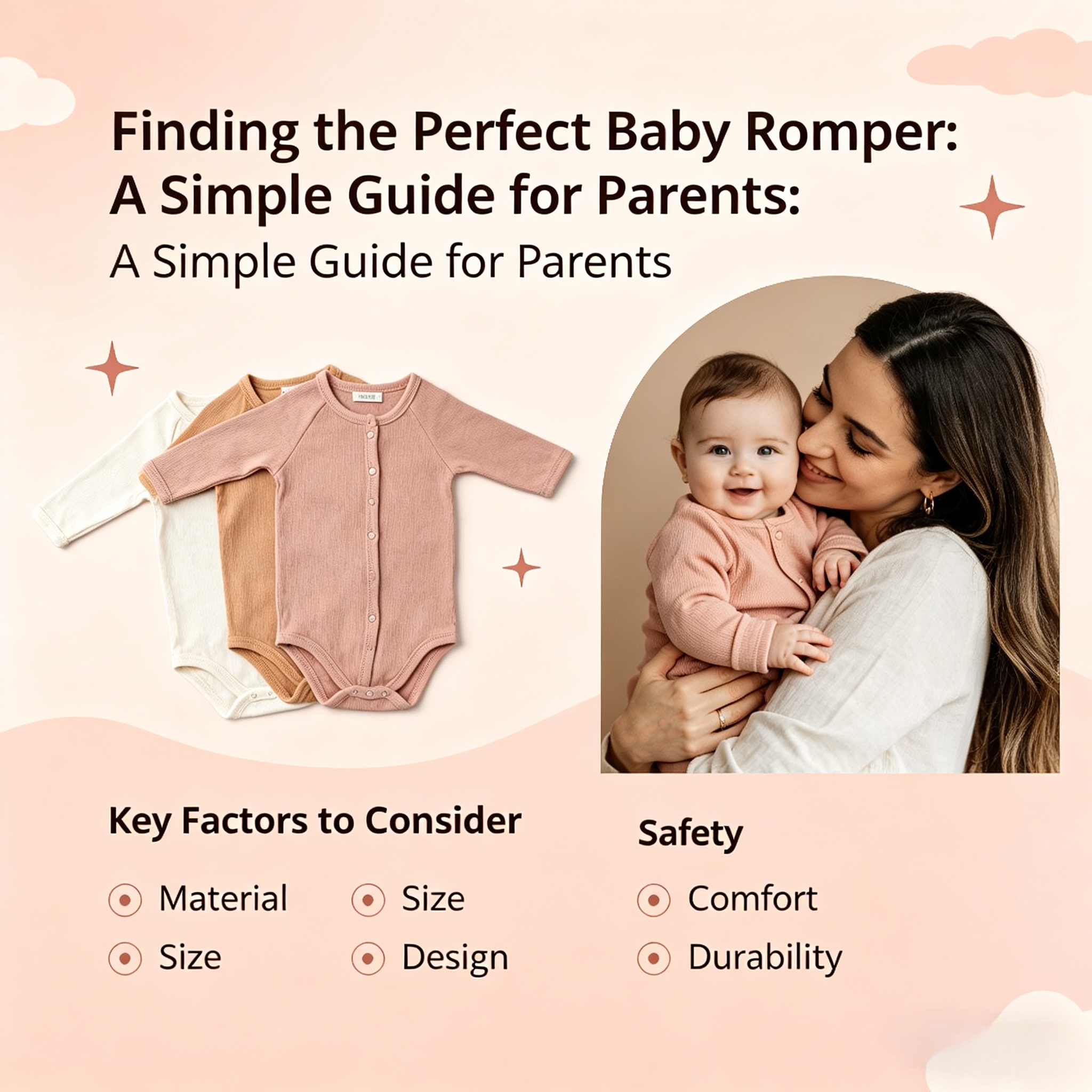
Welcoming a new baby into the family is a journey filled with excitement, joy, and countless decisions—one of the first being what to dress your little one in. Among the essential wardrobe pieces, the humble baby romper stands out for its blend of comfort, convenience, and charm. But with so many styles, fabrics, and features available, choosing the perfect romper can feel overwhelming. This simple guide is designed to help parents navigate the options with ease, ensuring that your baby’s first outfits are as cozy and practical as they are adorable. Whether dressing for playtime, naptime, or special occasions, finding the right romper sets the tone for days filled with comfort and smiles.
Table of Contents
- Choosing the Right Fabric for Comfort and Durability
- Essential Features to Look for in a Baby Romper
- Sizing Tips to Ensure a Perfect Fit for Growing Babies
- Styling Ideas for Every Season and Occasion
- Trusted Brands and Where to Find Them
- Q&A
- Closing Remarks
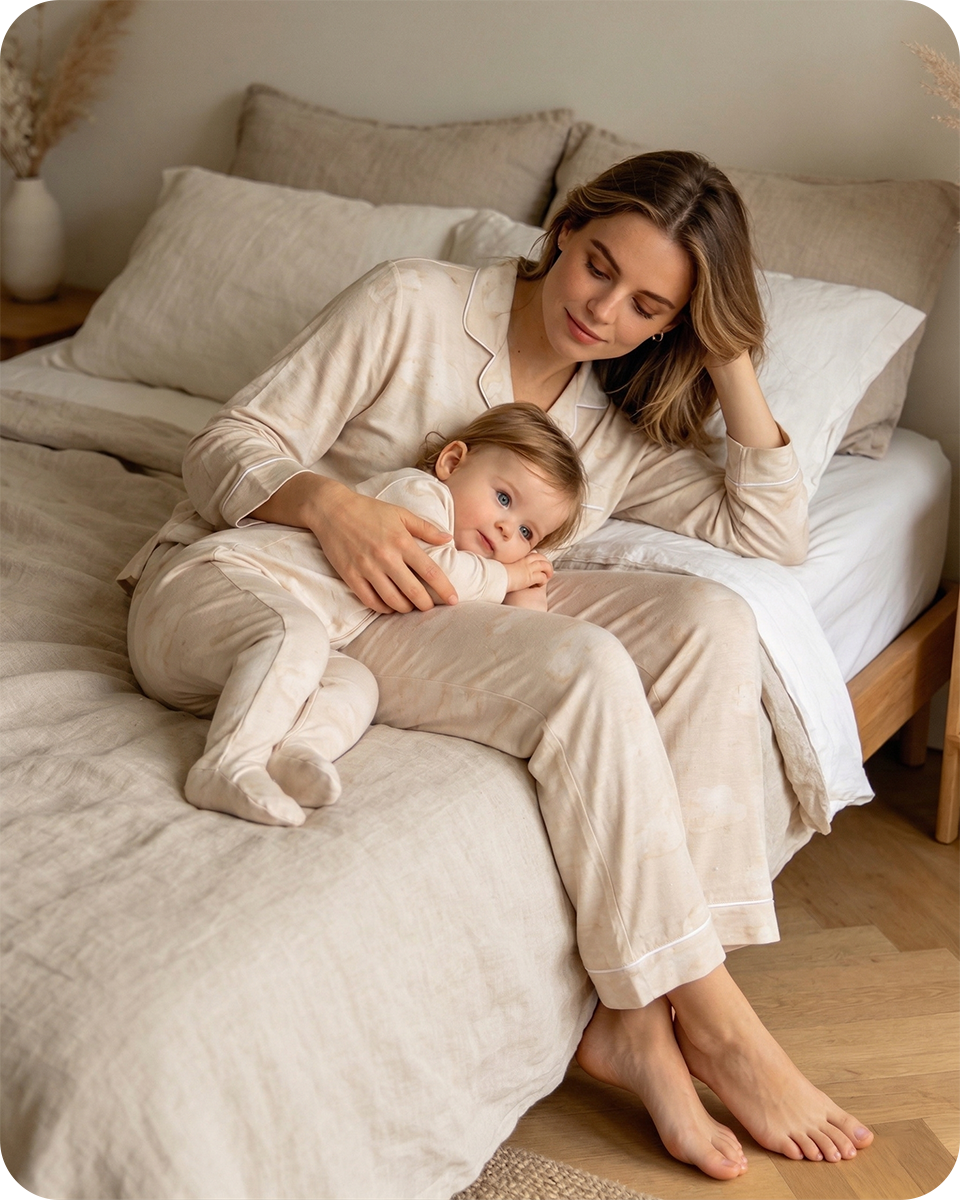
Choosing the Right Fabric for Comfort and Durability
When it comes to choosing fabric for a baby romper, comfort reigns supreme. Soft, breathable materials like organic cotton and bamboo blends are ideal as they gently hug your baby’s sensitive skin without irritating it. These fabrics also offer excellent moisture-wicking properties, keeping little ones dry and cozy throughout their adventures. Remember, the softness of the fabric can greatly impact your baby’s mood, so selecting a fabric that feels like a gentle hug is always a smart move.
Durability is equally important, especially as babies are natural explorers who turn every day into an energetic expedition. Fabrics that maintain their shape and color after repeated washes, such as cotton-polyester blends, make for practical choices that save you time and effort. Moreover, tactile strength helps the romper withstand tiny tugging hands and playful kicks without losing its charm.
- Organic Cotton: Soft, hypoallergenic, and perfect for sensitive skin.
- Bamboo Blends: Naturally antibacterial and extremely breathable.
- Cotton-Polyester Mix: Durable, wrinkle-resistant, and long-lasting.
- Fleece: Warmer option for colder climates, though less breathable.
| Fabric Type | Comfort Level | Durability | Best For |
|---|---|---|---|
| Organic Cotton | ⭐️⭐️⭐️⭐️⭐️ | ⭐️⭐️⭐️⭐️ | Everyday wear, sensitive skin |
| Bamboo Blend | ⭐️⭐️⭐️⭐️⭐️ | ⭐️⭐️⭐️ | Warm climates, antibacterial needs |
| Cotton-Polyester | ⭐️⭐️⭐️⭐️ | ⭐️⭐️⭐️⭐️⭐️ | Active babies, frequent washing |
| Fleece | ⭐️⭐️⭐️ | ⭐️⭐️⭐️⭐️ | Cold weather, extra warmth |
Essential Features to Look for in a Baby Romper
Choosing the right baby romper can make a world of difference in both comfort and practicality. Look for soft, breathable fabrics such as cotton or organic blends that will keep your little one comfortable through all-day wear. It’s also important to consider rompers with generous stretch and flexibility, allowing for natural movement as your baby grows and explores.
Pay close attention to functional design details that streamline daily tasks. Features like snap closures or zippers positioned for easy diaper access can save time and minimize fuss during changes. Adjustable necklines and cuffs contribute to a better fit and prolong the lifespan of the romper as your baby grows. Other handy extras include fold-over mittens to prevent scratching and reinforced knees for added durability.
| Feature | Why It Matters |
|---|---|
| Soft, Breathable Fabric | Keeps baby comfortable and prevents skin irritation |
| Easy-Access Closures | Simplifies diaper changes and dressing |
| Adjustability | Allows for growth and a better fit |
| Reinforced Areas | Increases durability in high-wear spots like knees |
Sizing Tips to Ensure a Perfect Fit for Growing Babies
Key considerations to keep in mind:
- Measure your baby’s height and weight regularly for the best fit.
- Check the size chart provided by the manufacturer; sizing can vary widely between brands.
- Choose rompers with expandable necklines or elastic waistbands to ensure comfort.
- Opt for fabrics that allow for easy movement and breathability—soft cotton is often a safe bet.
| Age | Height Range | Recommended Size |
|---|---|---|
| 0-3 months | 17-24 inches | Newborn/0-3M |
| 3-6 months | 24-26 inches | 3-6M |
| 6-9 months | 26-28 inches | 6-9M |
Remember, comfort and mobility are crucial for your baby’s rompers. By blending careful measurement with smart fabric choices, you’ll ensure your little one stays cozy and stylish throughout their exciting growth stages.
Styling Ideas for Every Season and Occasion
Consider these styling essentials to match the mood of each season and special event:
- Spring and Summer: Light layers, floral prints, and airy materials to keep things fresh and fun.
- Fall and Winter: Embrace earth tones, textured fabrics, and layered looks for warmth and style.
- Special Occasions: Opt for charm with subtle embellishments such as lace trims, bows, or tasteful prints that add a touch of celebration.
| Season | Fabric Suggestion | Styling Tip |
|---|---|---|
| Spring | Lightweight cotton | Add a sunhat and breathable shoes |
| Summer | Cotton blends | Choose brighter pastel shades |
| Fall/Winter | Fleece or knit | Layer with cardigans and booties |
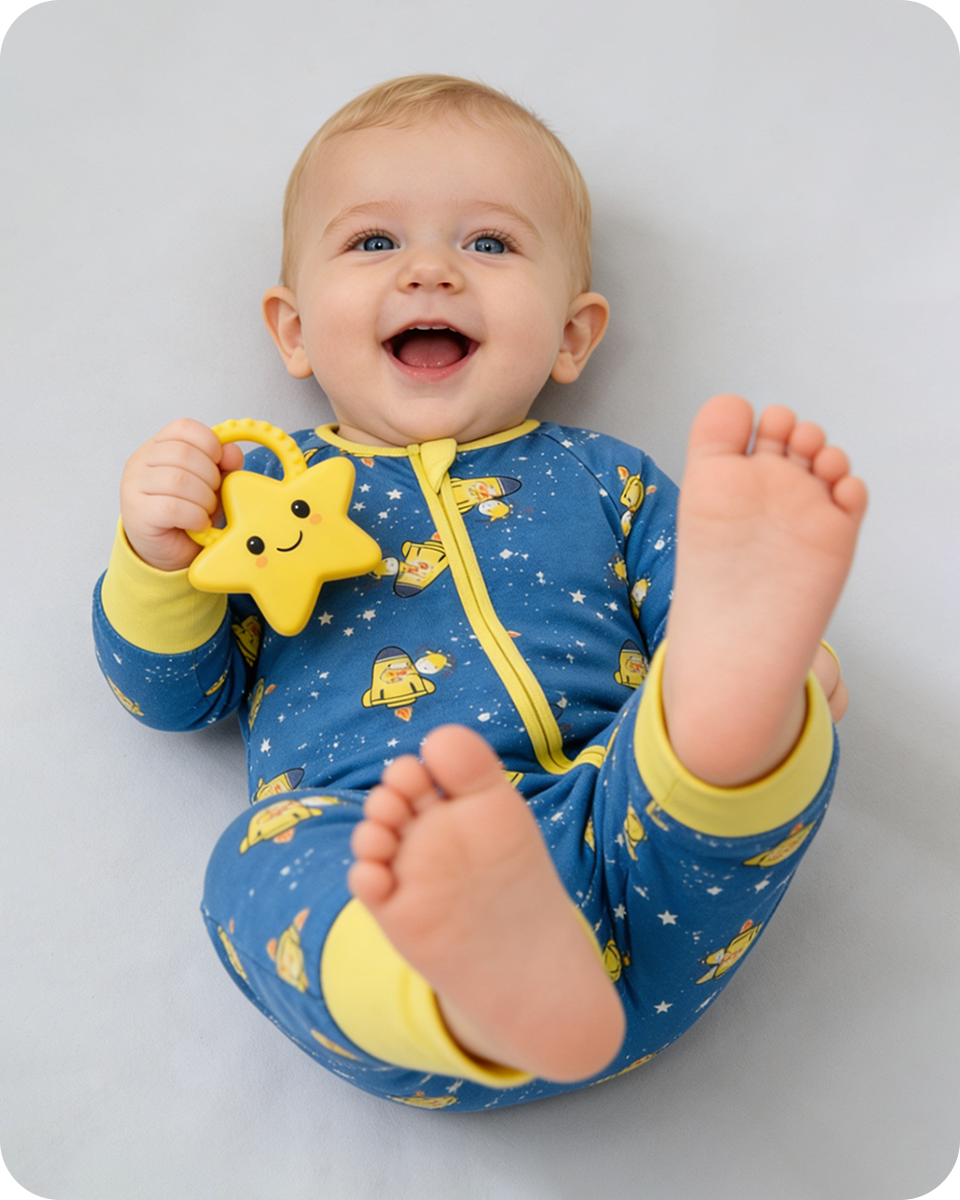
Trusted Brands and Where to Find Them
To find these dependable brands, explore retail options that specialize in baby and children’s clothing. Many parents find that shopping at stores such as Cloudsboo, BuyBuy Baby, Target, and Nordstrom ensures access to a curated selection of rompers that meet high standards. Additionally, online platforms like Amazon and brand-specific websites offer convenient browsing and reviews, making the decision process smoother.
- Carter’s: Known for softness and affordability.
- Hanna Andersson: Premium organic fabrics with playful prints.
- Gerber: Essentials with easy-access snaps.
- Primary: Simple, bright colors with durable stitching.
Q&A
Q&A: Finding the Perfect Baby Romper – A Simple Guide for Parents
Q1: What makes a baby romper different from other baby clothes?
A1: A baby romper is a one-piece outfit that combines a top and shorts or pants, offering ease of use and comfort. Unlike separates, rompers simplify dressing and diaper changes, making them a convenient choice for both parents and babies.
Q2: How do I choose the right size for my baby’s romper?
A2: The best fit depends on your baby’s current measurements, like height and weight, rather than just age. Look for rompers labeled with size charts and allow a little extra room for growth and movement to keep your baby comfortable.
Q3: Which fabrics are best for baby rompers?
A3: Soft, breathable fabrics such as organic cotton, bamboo blends, or lightweight jersey are ideal. They keep the baby’s skin cool and dry while minimizing irritation, especially for sensitive skin.
Q4: Are there any key features I should look for in a romper?
A4: Yes—snaps or zippers along the inseam or shoulders make diaper changes easier. Stretchy necklines or envelope folds also help with quick dressing. Additionally, consider rompers with reinforced stitching and snug but flexible cuffs for durability.
Q5: Can a romper be suitable for different seasons?
A5: Absolutely! Choose lighter, sleeveless rompers for summer and layer them with leggings or shirts during colder months. Fabrics like fleece or thicker knits are better for chilly weather, while breathable cotton keeps babies comfortable in warmth.
Q6: How can I ensure safety when selecting a romper?
A6: Avoid rompers with small buttons or decorative parts that could be choking hazards. Ensure zippers have protective covers to prevent scratching, and opt for flame-resistant fabrics if possible.
Q7: How often should I buy new rompers?
A7: Babies grow quickly, so it’s wise to buy new rompers every few months to accommodate growth and ensure comfort. Keep an eye on the fit and replace them when the fabric feels tight or starts causing discomfort.
Q8: Can rompers be used for special occasions or just everyday wear?
A8: Rompers can be both practical and stylish! There are many designs—from simple and casual to elegant and patterned—making them perfect for everyday adventures or special family events.
Q9: Are there eco-friendly options available for rompers?
A9: Yes, many brands offer eco-friendly rompers made from organic materials and sustainable production methods. These options reduce environmental impact and are gentle on the baby’s skin.
Q10: What’s the best way to care for baby rompers?
A10: Follow care labels carefully—usually, gentle washing with mild detergent and avoiding harsh chemicals preserves softness and color. Quick air drying helps maintain fabric quality and shape.
Finding the perfect baby romper is about balancing comfort, function, and style while keeping your little one happy and safe. With these insights, parents can confidently pick rompers that make dressing hassle-free and adorable.
Closing Remarks
Choosing the perfect baby romper is more than just picking a cute outfit—it’s about finding comfort, convenience, and a little bit of charm that suits your little one’s unique personality. With a thoughtful approach and this simple guide in hand, parents can confidently navigate the world of tiny threads and adorable designs. Remember, the perfect romper isn’t just what looks good on the hanger—it’s the one that makes every giggle, wiggle, and nap time a little bit sweeter. Here’s to dressing your baby in comfort and style, one romper at a time.