
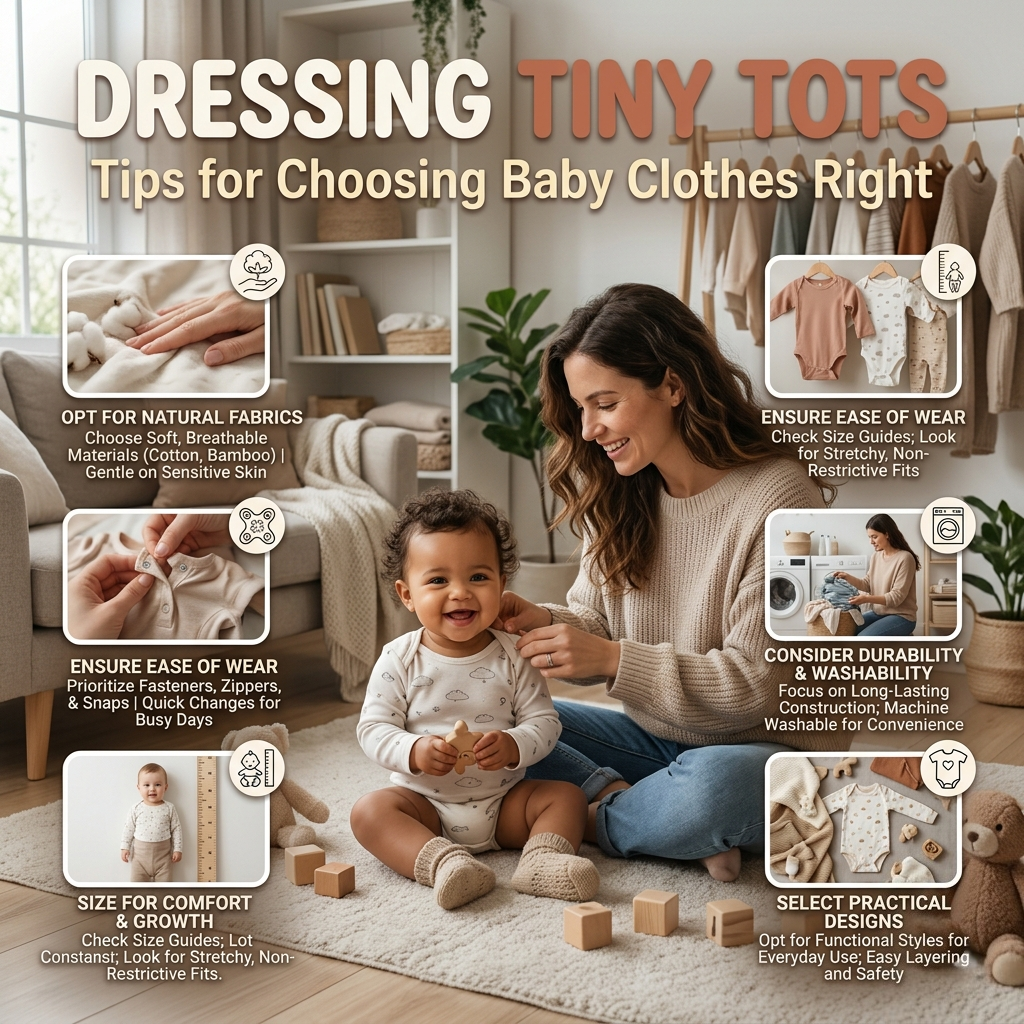
Dressing tiny tots is a delightful blend of art and practicality, where softness meets style in the smallest of wardrobes. Choosing baby clothes is more than picking pretty outfits; it’s about ensuring comfort, safety, and ease for both baby and parents. From the first gentle swaddle to playful playdates, the right clothing can make all the difference in those early months. In this article, we’ll explore thoughtful tips to help you select baby clothes that keep your little one cozy, cute, and carefree—because even the tiniest tots deserve the perfect fit.
Table of Contents
- Choosing Fabrics That Keep Baby Comfortable and Safe
- Prioritizing Practicality in Baby Clothing Selection
- Understanding Size and Growth Patterns for a Perfect Fit
- Balancing Style and Functionality in Everyday Outfits
- Essential Clothing Items Every Newborn Needs
- Q&A
- To Wrap It Up
Choosing Fabrics That Keep Baby Comfortable and Safe
- Cotton: Soft, breathable, and widely available
- Bamboo: Naturally antibacterial and moisture-wicking
- Organic Linen: Durable, eco-friendly, and gentle on skin
| Fabric | Key Benefits | Recommended Use |
|---|---|---|
| Cotton | Soft, breathable, affordable | Everyday essentials |
| Bamboo | Antibacterial, moisture-wicking | Sleepwear and sensitive skin |
| Organic Linen | Eco-friendly, durable | Outdoor wear and layering |
Prioritizing Practicality in Baby Clothing Selection
- Snap closures and zippers for quick dressing
- Expandable necklines that don’t tug or pinch
- Stretchy fabrics that accommodate movement
- Neutral colors and reversible designs to extend wardrobe versatility
Below is a quick comparison of common baby clothing features you’ll want to keep in mind for optimal practicality:
| Feature | Benefit |
|---|---|
| Envelope necklines | Easy to put on and take off without discomfort |
| Leg snaps on rompers | Quick diaper changes without full undressing |
| Soft cotton fabric | Gentle on skin and breathable |
| Stretchy ribbed cuffs | Keeps sleeves and pants in place during play |
Understanding Size and Growth Patterns for a Perfect Fit
- Measure chest, length, and waist regularly to track growth.
- Choose adjustable waistbands and snap closures for flexibility.
- Opt for pieces with expandable features like foldable cuffs or elastic hems.
| Age Range | Typical Size | Growth Notes |
|---|---|---|
| 0-3 months | Newborn (NB) – 3M | Rapid weight gain, delicate fit |
| 3-6 months | 3M – 6M | Increased mobility, longer legs |
| 6-12 months | 6M – 12M | More active, stretchy fabrics are advised |
Balancing Style and Functionality in Everyday Outfits
- Snap buttons and zippers for quick diaper changes
- Tagless labels to avoid irritation
- Layered designs to adjust easily to fluctuating temperatures
| Feature | Benefit |
|---|---|
| Soft organic cotton | Gentle on sensitive skin |
| Elastic waistbands | Comfortable fit for growing tots |
| Machine-washable fabrics | Easy to clean, saves time |
Essential Clothing Items Every Newborn Needs
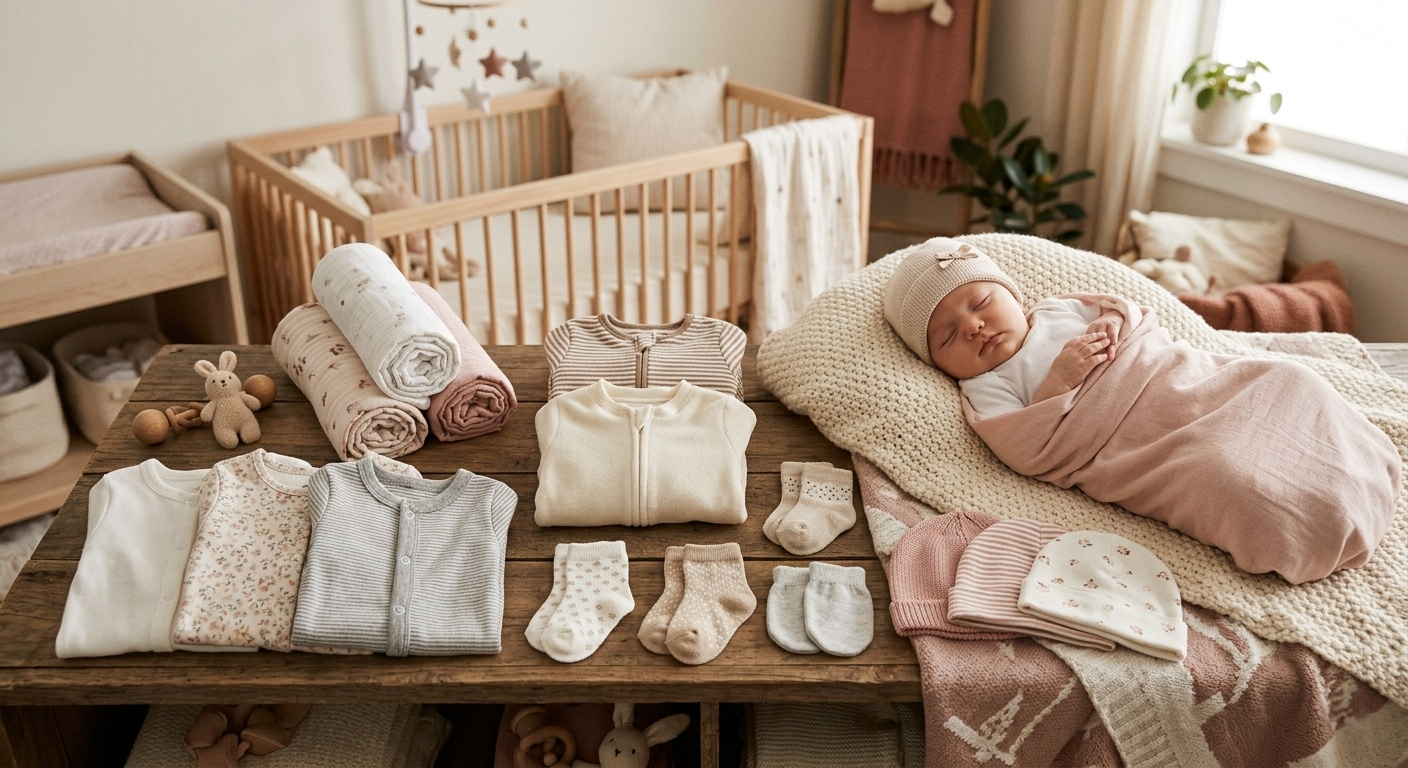
- Onesies: Versatile and easy to layer, perfect for daily wear.
- Sleepers and footed pajamas: Keep your newborn snug and prevent cold toes.
- Swaddle blankets: Provide comfort and mimic the womb’s coziness.
- Socks and mittens: Protect tiny hands and feet from chills and scratching.
- Hats: Essential for regulating body temperature, especially right after birth.
| Item | Best For |
|---|---|
| Snap Onesies | Quick diaper changes |
| Footed Pajamas | Nighttime warmth |
| Swaddle Blanket | Soothing and a sleep aid |
| Cotton Mittens | Scratch protection |
Q&A
Q&A: Dressing Tiny Tots – Tips for Choosing Baby Clothes Right
Q1: What are the most important factors to consider when choosing clothes for babies?
A1: Comfort tops the list—look for soft, breathable fabrics like cotton that allow sensitive skin to breathe. Next, ease of dressing is key; opt for clothes with wide necks, snap buttons, or front zippers to make diaper changes and outfit swaps quick and fuss-free. Size is also crucial—choose clothes that fit well without being too tight or too loose to ensure freedom of movement.
Q2: How often should parents update their baby’s wardrobe?
A2: Babies grow quickly, so parents might find themselves updating outfits every few months. It’s helpful to have a mix of sizes on hand—some slightly larger pieces to transition into, especially during growth spurts. Seasonal changes also call for wardrobe adjustments, switching to lighter fabrics for cozy layers as needed.
Q3: Are there any fabric types to avoid for baby clothes?
A3: Yes, synthetic fabrics like polyester or nylon can sometimes irritate sensitive skin or cause overheating. Avoid clothes with scratchy seams, loose threads, or excessive embellishments such as beads and sequins that could be choking hazards. Always check labels for hypoallergenic materials, especially if your baby has known allergies.
Q4: What style tips can help parents dress their babies functionally and fashionably?
A4: Layering is a smart style and practical trick—it allows parents to adjust their baby’s warmth easily. Choosing neutral basics mixed with pops of color or playful prints keeps outfits lively without overwhelming tiny tots. Don’t forget fun accessories like soft hats and mittens, which add charm and protect the baby from the elements.
Q5: How can parents ensure safety when selecting baby clothes?
A5: Safety first—avoid clothes with long strings, loose buttons, or small decorative pieces that can become choking hazards. Look for flame-resistant fabrics or snug-fitting sleepers for sleepwear. Always check labels for safety certifications and wash new clothes before wearing them to remove any chemicals.
Q6: What’s the best way to care for baby clothes to keep them soft and lasting?
A6: Wash baby clothes with gentle, fragrance-free detergents designed for sensitive skin. Use cold or warm water settings and avoid fabric softeners or harsh bleach. Air-drying or tumble drying on low heat helps maintain softness and fabric integrity, keeping those tiny clothes fresh and cozy longer.
Dressing tiny tots is all about balancing comfort, safety, and a bit of style flair—because even the smallest outfits can make a big impression!
To Wrap It Up
Dressing tiny tots is more than just picking out cute outfits—it’s about blending comfort, safety, and style in ways that celebrate their earliest adventures. By choosing clothes thoughtfully, parents can ensure their little ones move freely, stay cozy, and look adorable all at once. Remember, the best baby clothes are those that grow with your child’s needs, making every outfit a small but meaningful part of their journey. As you navigate the world of tiny fashion, keep these tips close, and enjoy the joyful process of dressing the tiniest members of your family with care and confidence.