
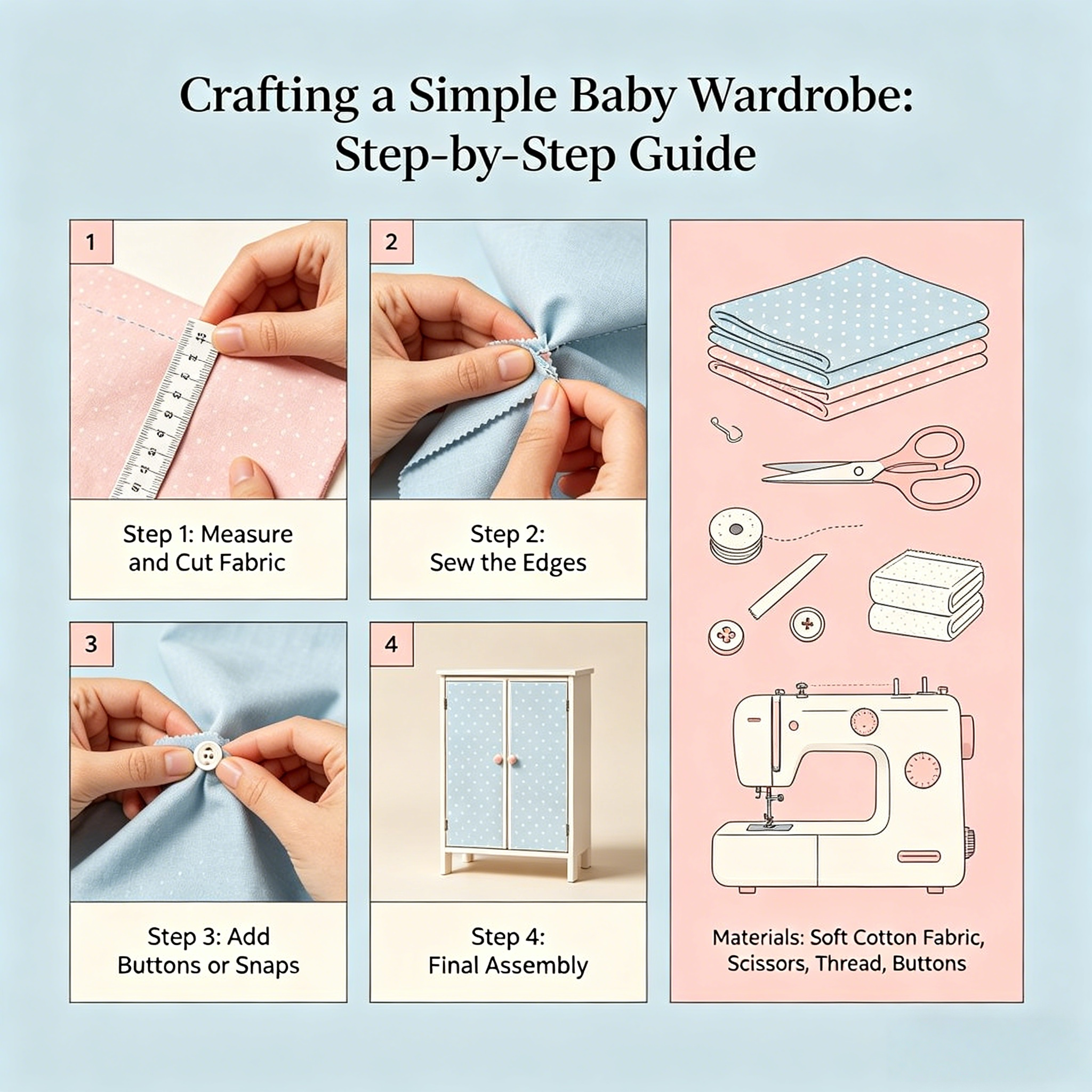
A baby’s wardrobe may be small in scale but large in decisions: soft fabrics, fluctuating sizes, and a dozen daily outfit changes all demand a thoughtful approach. This step-by-step guide walks you through crafting a simple, practical collection of clothes that balances comfort, convenience, and longevity without overwhelming your space or budget. You’ll find clear choices for essentials, tips on fabrics and sizing, and easy strategies for organizing and adapting the wardrobe as your child grows. Whether you’re building a first set of newborn pieces or streamlining what’s already in the drawer, this article aims to make the process manageable and even a little enjoyable.
Table of Contents
- Building a Core Capsule Wardrobe for Everyday Comfort and Easy Mixing
- Choosing Fabrics and Fits That Prioritize Safety, Softness, and Easy Care
- Essential Pieces for Newborns Through Toddlers and Practical Quantity Guidance
- Organizing, Storing, and Rotating Clothes to Save Time and Extend Wear
- Budget-Friendly Shopping, Upcycling, and When to Choose New Versus Hand Me Downs
- Q&A
- In Retrospect
Building a Core Capsule Wardrobe for Everyday Comfort and Easy Mixing
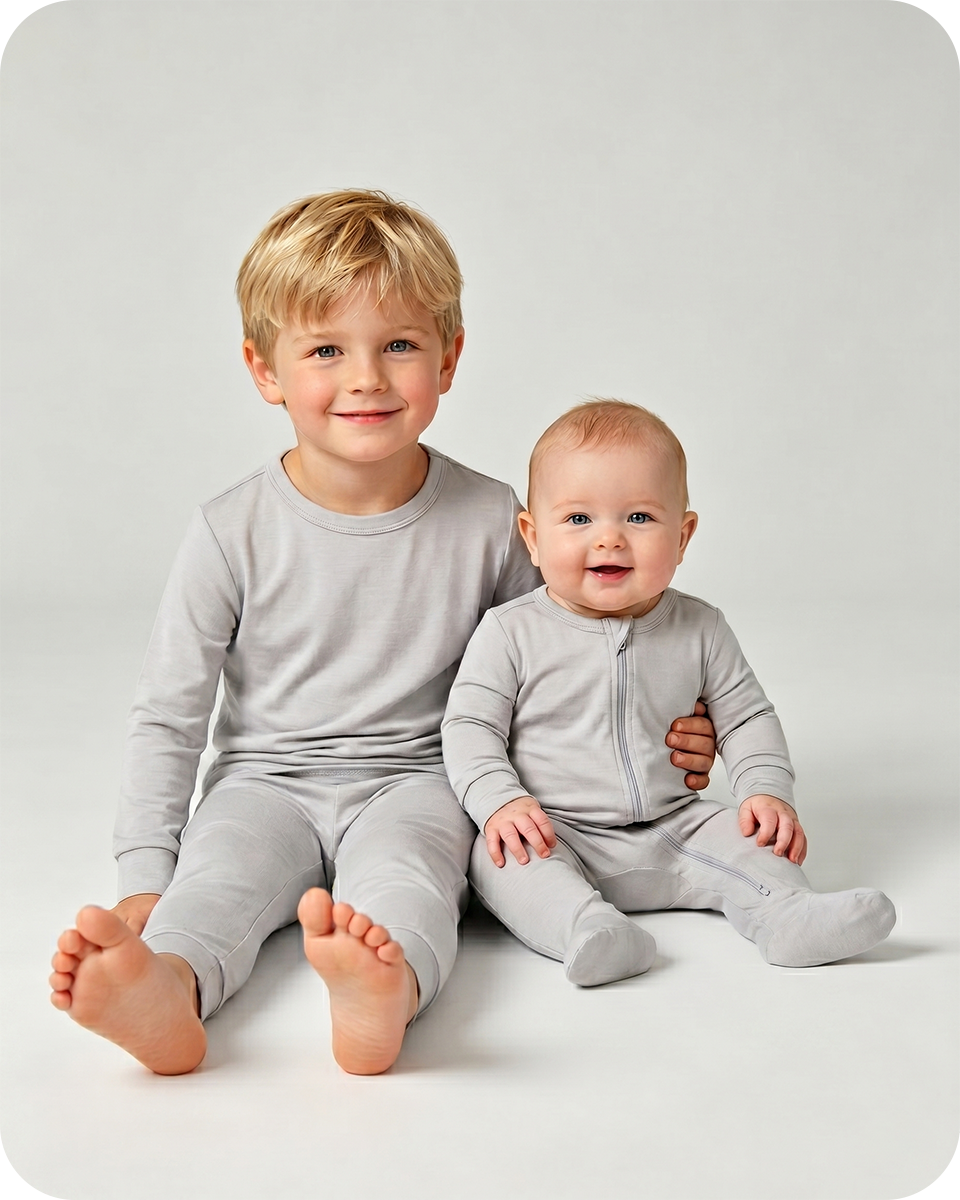
Think of your tiny wardrobe as a small puzzle where every piece should work happily with the others. Start with soft, breathable fabrics and a palette of neutrals punctuated by one or two playful colors — this makes daily outfit decisions fast and fuss-free. Prioritize stretch, easy fastenings, and washable finishes so outfits survive spit-ups, naps, and constant motion without losing shape.
- Onesies: the foundational layer for warmth and convenience.
- Neutral leggings/pants: mix with patterns or solids for variety.
- Sleep sacks and sleepers: safe, cozy options for night and naps.
- Light layers: cardigans or zip-ups for quick temperature changes.
- Simple accessories: a hat, mittens, and a swaddle that match multiple looks.
Rotate pieces using a simple rule: one bright/patterned item per outfit paired with two neutrals. Below is a quick cheat sheet to plan quantities that keep laundry manageable while ensuring you always have comfortable, mix-and-match options ready.
| Piece | Why | Suggested Count |
|---|---|---|
| Onesies | Layering base, diaper access | 6–8 |
| Leggings/Pants | Versatile bottoms | 4–6 |
| Sleepers | Easy nights and comfort | 3–5 |
Choosing Fabrics and Fits That Prioritize Safety, Softness, and Easy Care
Choose textiles that feel like a gentle hug and keep safety front of mind: organic cotton and bamboo blends are naturally soft, breathable, and less likely to irritate delicate skin, while tightly knit synthetics can add durability to high-wear pieces. For sleepwear and layers, favor fabrics labeled flame-resistant or that fit snugly without tight elastics. Avoid loose ties, large decorative buttons, and long hoods; instead, pick garments with secure fastenings, fold-over mitts, and simple snaps. Simple design choices—soft seams, tagless labels, and reinforced knees—make daily life smoother for both baby and caregiver.
Practicality matters as much as plushness. Look for materials that are machine-washable, quick-drying, and hold color so you can keep the wardrobe fresh with minimal fuss. Consider these quick comparisons to help decide what to buy:
| Fabric | Feels Like | Care & Durability |
|---|---|---|
| Organic cotton | Soft, breathable | Machine-washable; wears well |
| Bamboo blend | Silky, cool | Quick-dry; resists odors |
| Poly-cotton | Sturdy, slightly smooth | Very durable; colorfast |
- Fit tip: Choose slightly roomier everyday pieces for mobility, and snug but comfortable sleepwear to reduce risk.
- Care tip: Pre-wash new items to soften fibers and remove manufacturing residues before first wear.
Essential Pieces for Newborns Through Toddlers and Practical Quantity Guidance
Build a tiny, mix-and-match capsule that grows with baby: focus on soft, breathable fabrics and pieces that layer easily. Below are the real workhorses every parent will reach for multiple times a day:
- Onesies/bodysuits — the base layer for every season (6–10).
- Sleepers / footed pajamas — quick changes for night and naps (3–6).
- Stretchy pants/leggings — comfy bottoms that pair with anything (3–5).
- Light sweater or jacket — essential for outings and temperature swings (1–2).
- Socks/booties — keep tiny toes warm (4–6 pairs).
- Bibs & burp cloths — for spills and drool (4–8).
- Swaddle or sleep sack — safer sleep and fewer layers at night (2–3).
| Age range | Typical core | Quick counts |
|---|---|---|
| Newborn (0–3 mo) | Onesies, sleepers, swaddles | 6–10 / 4 / 2–3 |
| Infant (3–6 mo) | Onesies, pants, light jacket | 6–8 / 3–4 / 1–2 |
| Older baby (6–12 mo) | Mix of tops, leggings, sleepers | 5–7 / 3–5 / 3–4 |
| Toddler (1–3 yr) | Tops, pants, shoes | 6–8 / 4–6 / 1 pair |
Practical tip: aim for enough outfits to get you through 2–3 days between washes (more if you want fewer laundry days). Prioritize versatile neutral pieces and one or two playful prints—less clutter, more mixing, and more time to enjoy cuddles instead of sorting drawers.
Organizing, Storing, and Rotating Clothes to Save Time and Extend Wear
Create a simple system of zones so you can find outfits in seconds: a daily drawer for onesies and socks, a hanging section for special outfits, and a small bin for next-size pieces. Use clear bins or fabric organizers with labels (size and season), and stash seldom-used items in vacuum bags or high shelves to free up space. Small habits like folding tiny tees the same way or placing frequently used layers at the front will save minutes every day and help clothes last longer.
- Keep 2–3 weeks of essentials in rotation so laundry stays manageable.
- Purge and donate once a month—outgrown items should move out quickly.
- Tag or color-code bins by size to speed up swaps.
| Storage Spot | Contents | Action |
|---|---|---|
| Daily Drawer | Onesies, socks, bibs | Restock weekly |
| Next-Size Bin | 0–3 / 3–6 items | Move forward monthly |
| Outgrown Box | Donate or pass on | Clear quarterly |
| Seasonal Storage | Coats, swimwear | Rotate each season |
Budget-Friendly Shopping, Upcycling, and When to Choose New Versus Hand Me Downs
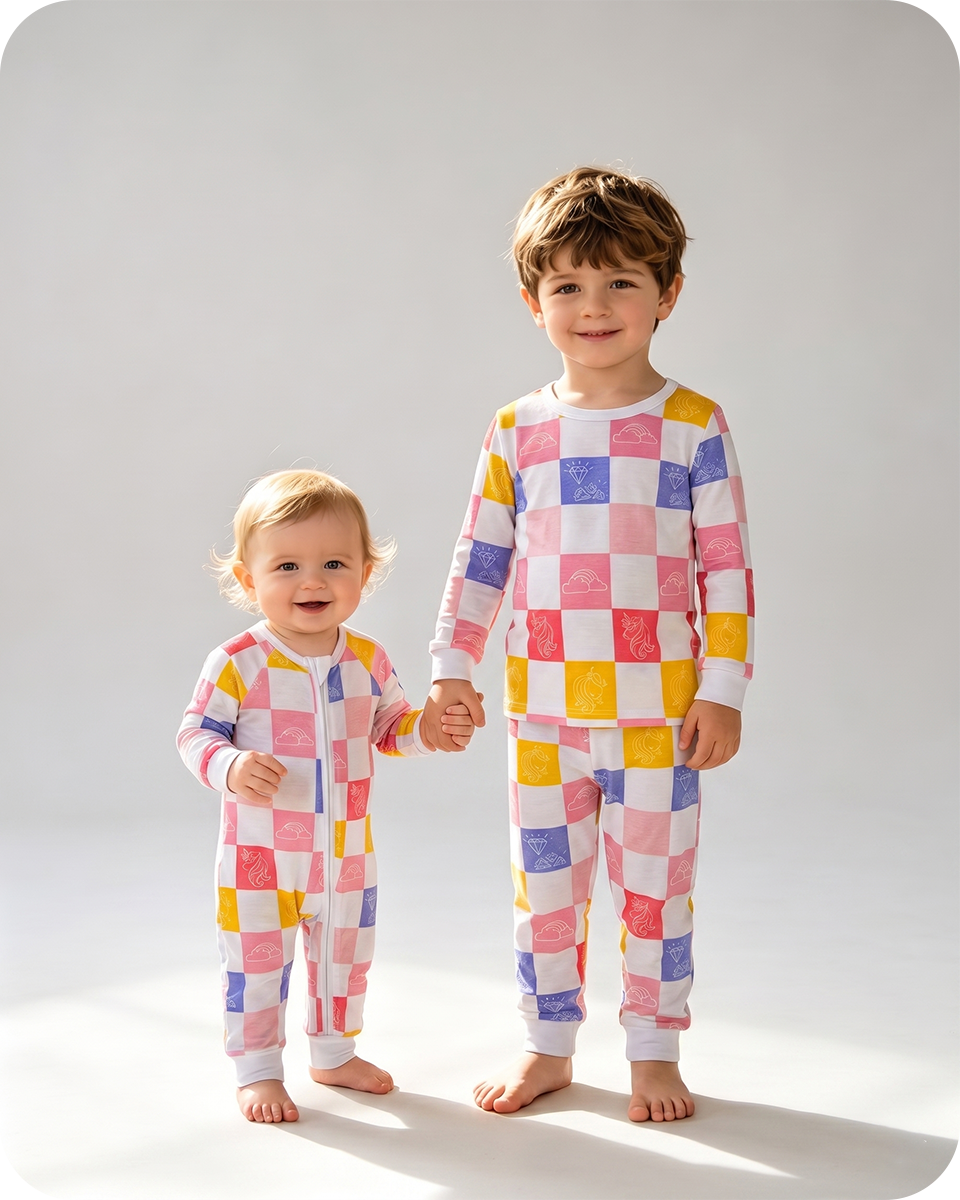
Think like a miniature stylist on a shoestring: focus on versatile pieces, fabrics that wash well, and items that can be altered as the baby grows. A little sewing skill (or a friendly neighbor) turns an oversized onesie into a cozy romper or a stained tee into soft burp cloths. When shopping, scan tags for materials and construction—opt for snug cuffs, reinforced seams, and detachable accessories that extend wearability.
Creative upcycling ideas to save money and add personality:
- Swaddles → Play mats: Layer, quilt, and bind for a lightweight, washable surface.
- Onesies → Bodysuit set: Add snaps or trim and pair with repurposed leggings.
- Adult button-downs → Dresses & shirts: Use plackets and collars for instant style.
- Sweaters → Cardigans: Add buttons or patches for extra warmth and charm.
Mix thrift finds with a few new essentials to keep the wardrobe hygienic and practical without breaking the bank.
When deciding between new and secondhand, prioritize safety and fit. New is usually best for items that affect hygiene or require up-to-date safety standards—shoes, sleepwear (flame-resistant labels), and undergarments. Hand-me-downs shine for sturdy outerwear, blankets, and high-quality basics that can be laundered. A quick cheat-sheet:
| Buy New | Great as Hand-Me-Down |
|---|---|
| Sleepwear with tags | Outerwear & snowsuits |
| Shoes & hats | Blankets & quilts |
| Undergarments | Durable everyday basics |
Q&A
1) What is a “simple baby wardrobe” and why make one?
A simple baby wardrobe is a curated capsule of versatile, easy-care garments that cover daily needs, growth spurts, and changes in weather without clutter. Making one saves money, reduces decision fatigue, and lets you prioritize comfort, safety, and sustainability.
2) How many pieces should a newborn’s wardrobe include?
For the first 0–3 months, aim for about 20–30 pieces total: 6–8 bodysuits/onesies, 4–6 sleepers, 4–6 tops or kimono-style shirts, 4–6 bottoms (leggings/pants), 2–3 outer layers (cardigans/sweaters), hats and mittens, plus 6–8 bibs. Adjust up or down based on your laundry routine and climate.
3) What fabrics are best for baby clothes?
Choose soft, breathable, and washable fabrics: 100% cotton, organic cotton, cotton–modal blends, and bamboo viscose for softness. For cooler months, consider cotton flannel or soft merino wool for layering. Avoid stiff, scratchy, or chemically finished fabrics.
4) What should I look for in baby clothing construction?
Prioritize flat or enclosed seams, tag-free labels or printed tags, gentle stretch at neckline and cuffs, snap or zip closures instead of small buttons, and reinforced knees/seat for crawlers. Look for no long ties/strings and secure fastenings to minimize choking or entanglement hazards.
5) How can I make dressing and diaper changes easier?
Use envelope or lap shoulder necklines and front snaps/zippers that open from neck to ankle. Choose fold-over mitten cuffs for newborns and roomy pants with elastic waistbands. For sleepers, two-way zippers or snap runs are fastest for nighttime changes.
6) How many sizes should I plan for, and how to handle growth?
Plan a small set in newborn size, a larger capsule for 0–3 months, then 3–6 months, and so on. Prioritize adjustable or slightly oversized pieces: rollable sleeves, elastic waistbands, and clothes with cuffs that can be unfolded. Keep only what fits; donate or pass along clothes once outgrown.
7) What are the best patterns for a beginner sewist?
Start with simple patterns: basic bodysuit/onesie, kimono/top, elastic-waist pants, and a sleep sack. Look for beginner-friendly indie patterns labeled “easy” or “starter,” and choose PDF patterns with color diagrams and video tutorials.
8) Any safety cautions when crafting baby clothes?
Yes. Avoid loose embellishments (buttons, beads, ribbons) on anything a baby can reach. Use safety-tested snaps and zippers with protective flaps. For sleepwear, follow snug-fit guidelines to reduce SIDS risk and avoid long ties or hoods for sleep garments.
9) How do I care for handmade baby clothes?
Prewash all fabrics before cutting to allow for shrinkage. Wash finished garments on a gentle cycle with mild detergent; avoid fabric softeners that reduce absorbency. Tumble dry low or air dry to preserve fabric and elastic; re-check snaps and seams periodically.
10) How can I keep a baby wardrobe budget-friendly?
Choose a few staples to handcraft and supplement with thrifted, gifted, or affordable store-bought items. Use neutral colors and gender-neutral designs to increase reuse between siblings. Buy multipacks of basics (socks, bodysuits) and select patterns that maximize fabric yield.
11) How to design for seasons and layering?
Think in layers: a bodysuit base, a midlayer (top or romper), and an outer layer (sweater or jacket). For summer, prioritize lightweight, breathable fabrics and sun-protective hats. For winter, add thermal layers, wool outerwear, and footed sleepers for warmth.
12) What finishing touches make garments more useful or special?
Add fold-over cuffs, convertible mittens, adjustable waist ties, and reinforced patches at knees. Consider color-coded tags or embroidered initials for daycare. Simple decorative details like topstitching or contrasting bindings add personality without compromising safety.
13) How long does it take to sew typical baby items?
Times vary by skill level: basic leggings or pants — 30–60 minutes; simple kimono or top — 45–90 minutes; bodysuit with snaps — 1–2 hours; sleep sack — 1–3 hours. Allow extra time for learning and handling stretch fabrics.
14) Should I buy or make blankets, bibs, and accessories too?
Yes — these are high-utility items and quick to make. Bibs, burp cloths, and small blankets are forgiving beginner projects and excellent for using leftover fabric. Prioritize absorbent layers and secure closures for bibs.
15) How do I store and rotate a simple baby wardrobe?
Store by size and season. Keep a small, easy-to-grab set of current-size basics in a dresser or basket; archive outgrown items in labeled bins to donate or pass on. Rotate frequently used pieces to the front and replace worn items as needed.
16) What about sustainability and ethical choices?
Use organic or GOTS-certified fabrics if possible, choose durable patterns and high-quality notions to extend life, and repurpose or upcycle garments. When buying, prefer ethical brands and secondhand options to reduce environmental impact.
17) Any tips for gifting a handmade baby wardrobe?
Gift a mixed set of essentials (bodysuit, sleeper, blanket, bib). Include care instructions and size/age guidance. Neutral colors and adjustable features make gifts more likely to be used. Wrap simply—practical packaging is appreciated by new parents.
In Retrospect
Like the first tiny sweater folded into a drawer, a thoughtfully pared-back baby wardrobe brings calm to everyday routines. By planning core pieces, prioritizing comfort and durability, and keeping organization simple, you create a foundation that fits both your child and your life—without excess.
At BoojiawaKids, we see this approach reflected in how parents choose special-occasion outfits as well—looking for pieces that are not only beautiful for the moment, but comfortable enough to be worn, remembered, and even passed down.
Remember: versatility and good fabrics matter more than quantity. Choose items that mix and match, account for growth and seasonal changes, and are easy to care for. A few well-chosen staples, alongside thoughtful sizing and care strategies, will carry you through the busiest days with less fuss.
Crafting this wardrobe is part practical, part personal—a small design project that evolves as your baby grows. With brands like BoojiawaKids focusing on both occasionwear and everyday comfort, it becomes easier to build a wardrobe that feels intentional, flexible, and truly made for real life.