
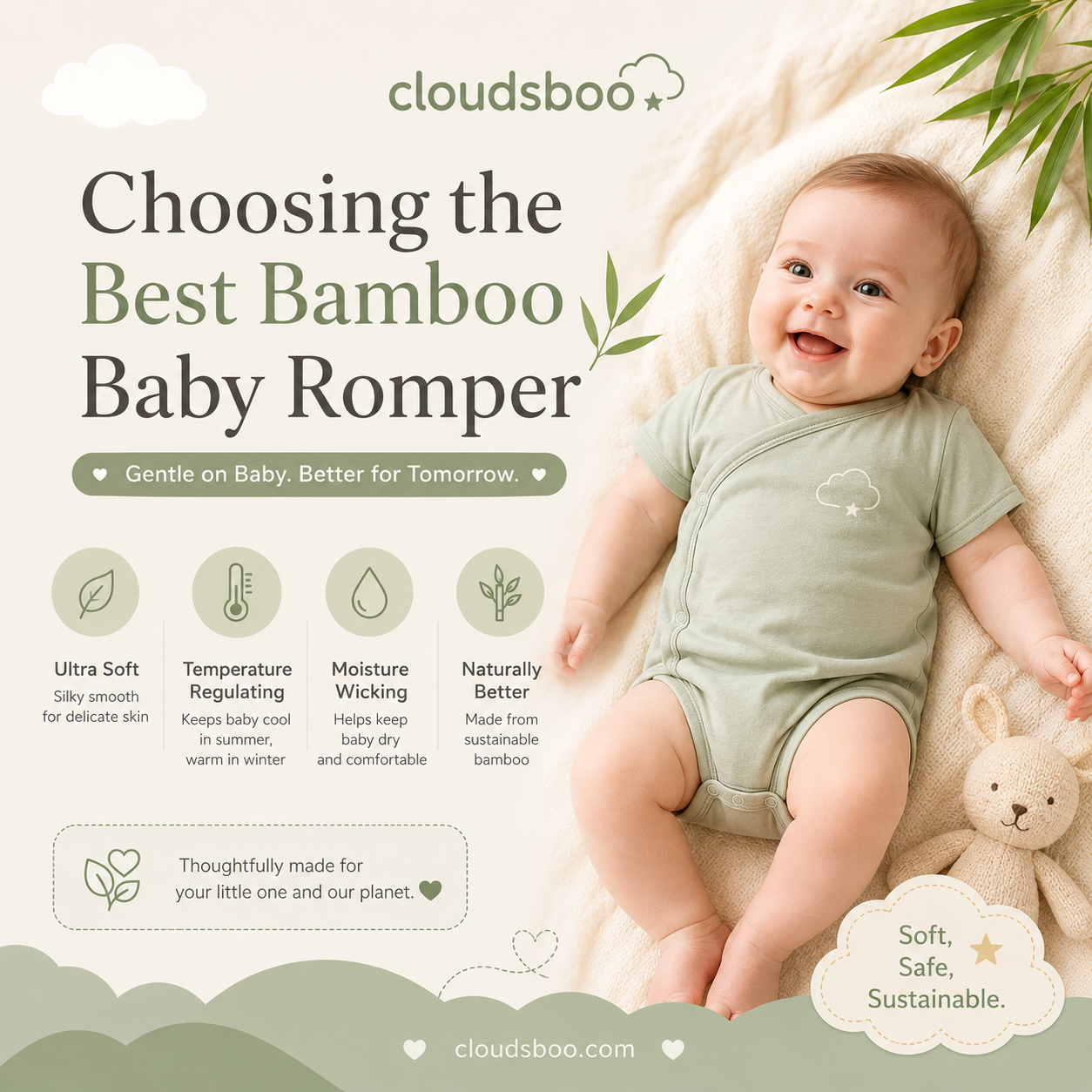
Like a soft breeze settling over a nursery, a bamboo baby romper promises comfort, ease, and a touch of natural simplicity. Parents drawn to bamboo fabrics often speak of cloud-like softness, breathable warmth, and the quiet reassurance of a garment that moves with a sleeping curl or an exuberant stretch. Yet behind that initial appeal are practical choices—fit, durability, ease of care, and the kind of certifications that turn a pretty label into a trustworthy purchase.
This gentle guide peels back the layers of what makes a bamboo romper different from cotton or blends, and what matters most when dressing the littlest bodies: skin sensitivity, temperature regulation, and day-to-day functionality. We’ll walk through the fabrics and finishes, the seams and snaps, and the sustainability claims that populate product pages—so you can weigh comfort, safety, and ecology without feeling overwhelmed.
Whether you’re shopping for a first outfit, a thoughtful gift, or a seasonal wardrobe refresh, understanding the quiet strengths and trade-offs of bamboo rompers helps you choose with calm confidence. Read on to discover what to look for—and what questions to ask—when picking the best bamboo baby romper for your family.
Table of Contents
- Why Bamboo Wins for Sensitive Skin and Everyday Comfort
- Understanding Fabric Quality: GSM, Weave, and Bamboo Blends to Choose Durable Softness
- Design, Fit, and Fastenings Parents Should Prioritize for Easy Changes and Safe Movement
- Certifications, Dye Safety, and Care Instructions That Protect Baby and Planet
- Recommended Bamboo Romper Picks for Newborns, Crawlers, and Toddlers
- Q&A
- To Conclude
Why Bamboo Wins for Sensitive Skin and Everyday Comfort
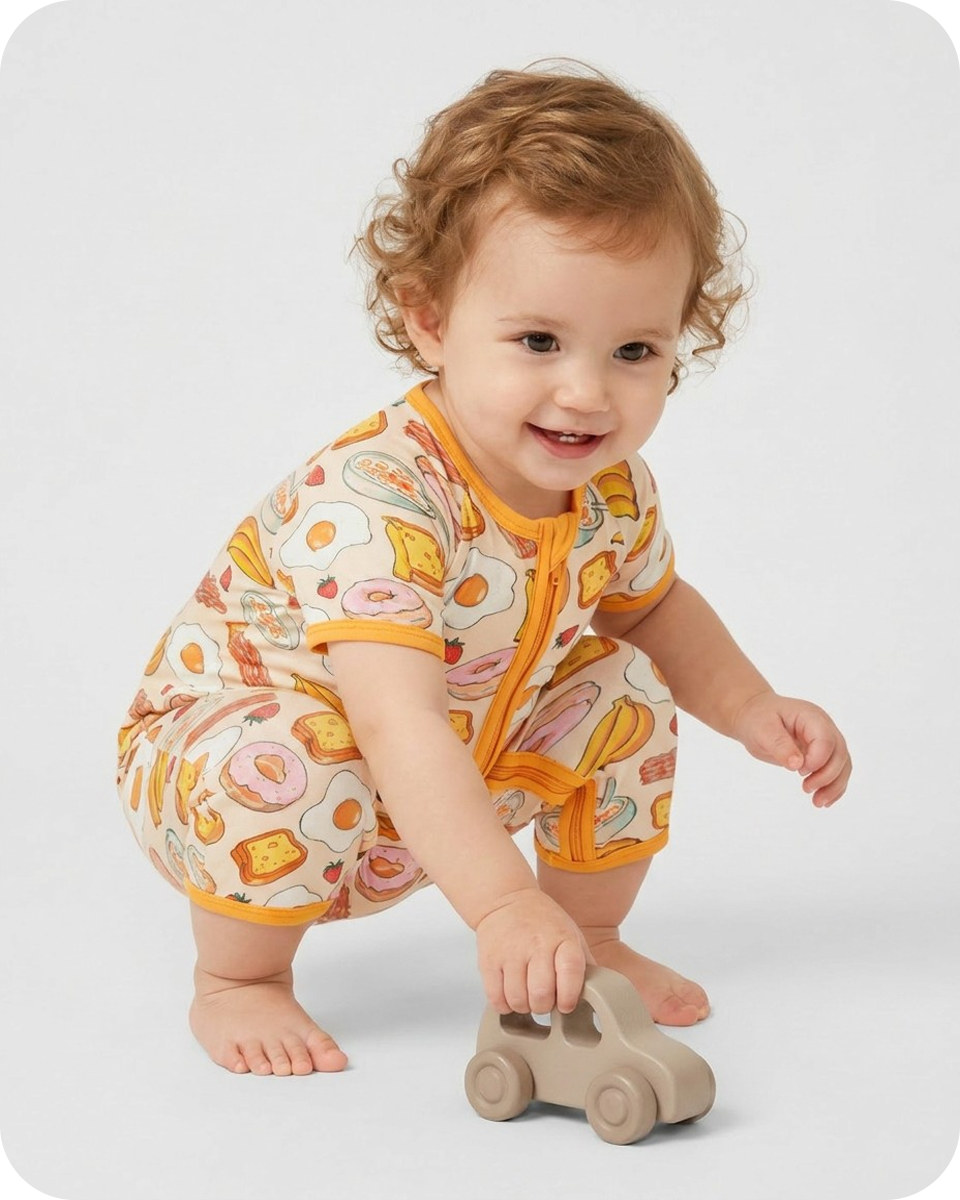
Think of bamboo as a second skin: feather-light, pliant, and almost impossibly soft against delicate cheeks. Because bamboo fiber has a naturally smooth surface, it reduces friction and irritation—making it a smart pick for babies with reactive or eczema-prone skin. Beyond the feel, bamboo is often processed with fewer harsh chemicals, so you get gentle contact without sacrificing durability or stretch.
Practical comfort matters just as much as texture. Parents will notice how bamboo rompers keep little ones calm and dry through naps and play, thanks to a few key properties:
- Breathable — allows air flow to prevent overheating
- Moisture-wicking — pulls dampness away from skin
- Hypoallergenic — less likely to trigger sensitivities
- Thermoregulating — cool in summer, cozy in cooler weather
These features translate to fewer outfit changes and more uninterrupted sleep for everyone.
| Feature | Why does it help the baby |
|---|---|
| Softness | Less rubbing on fragile skin |
| Absorbency | Quick dry—fewer rashes |
| Stretch | Comfortable movement |
Understanding Fabric Quality: GSM, Weave, and Bamboo Blends to Choose Durable Softness
GSM acts like the fabric’s fingerprint — it tells you how dense and substantial the material feels. Lower GSM (around 120–160) yields a featherlight, breathable romper perfect for warm weather, while mid to higher GSM (160–220+) offers a plush, cushioned hand that stands up better to washing and daily play. For a baby romper that balances cloud-like softness with real-world durability, aim for that sweet spot in the mid‑GSM range: soft to the touch but substantial enough to last through tumble dryer cycles and repeated cuddles.
- Single jersey — smooth, stretchy, and breathable; excellent for everyday rompers.
- Interlock — denser knit with a double‑faced feel; warmer and more durable without sacrificing softness.
- Terry/loopback — slightly textured and very absorbent; good for playtime and layering.
- Rib — natural elasticity for snug cuffs and necklines that keep their shape.
| GSM | Typical Feel | Best Use |
|---|---|---|
| 120–150 | Very light, airy | Summer rompers, layering pieces |
| 160–200 | Soft, balanced | All‑season baby rompers |
| 200–240+ | Plush, sturdy | Cool weather, long‑lasting staples |
When designers blend bamboo with a touch of cotton or elastane, you get practical benefits: a small percentage of spandex adds resilient stretch for easy diaper changes, while cotton blends can increase abrasion resistance and structure. Look for blends that keep bamboo as the majority fiber (for that signature softness) and check for trusted labels or certifications like OEKO‑TEX to ensure gentle processing. Small care habits — washing on gentle, avoiding harsh bleach, and low‑heat drying — will preserve both the feel and the fibers. Key features to seek:
- Majority bamboo content for softness
- Interlock or jersey construction for durability
- Reinforced seams and good GSM for longevity
These details deliver rompers that stay irresistibly soft while surviving the real-life adventures of babyhood.
Design, Fit, and Fastenings Parents Should Prioritize for Easy Changes and Safe Movement
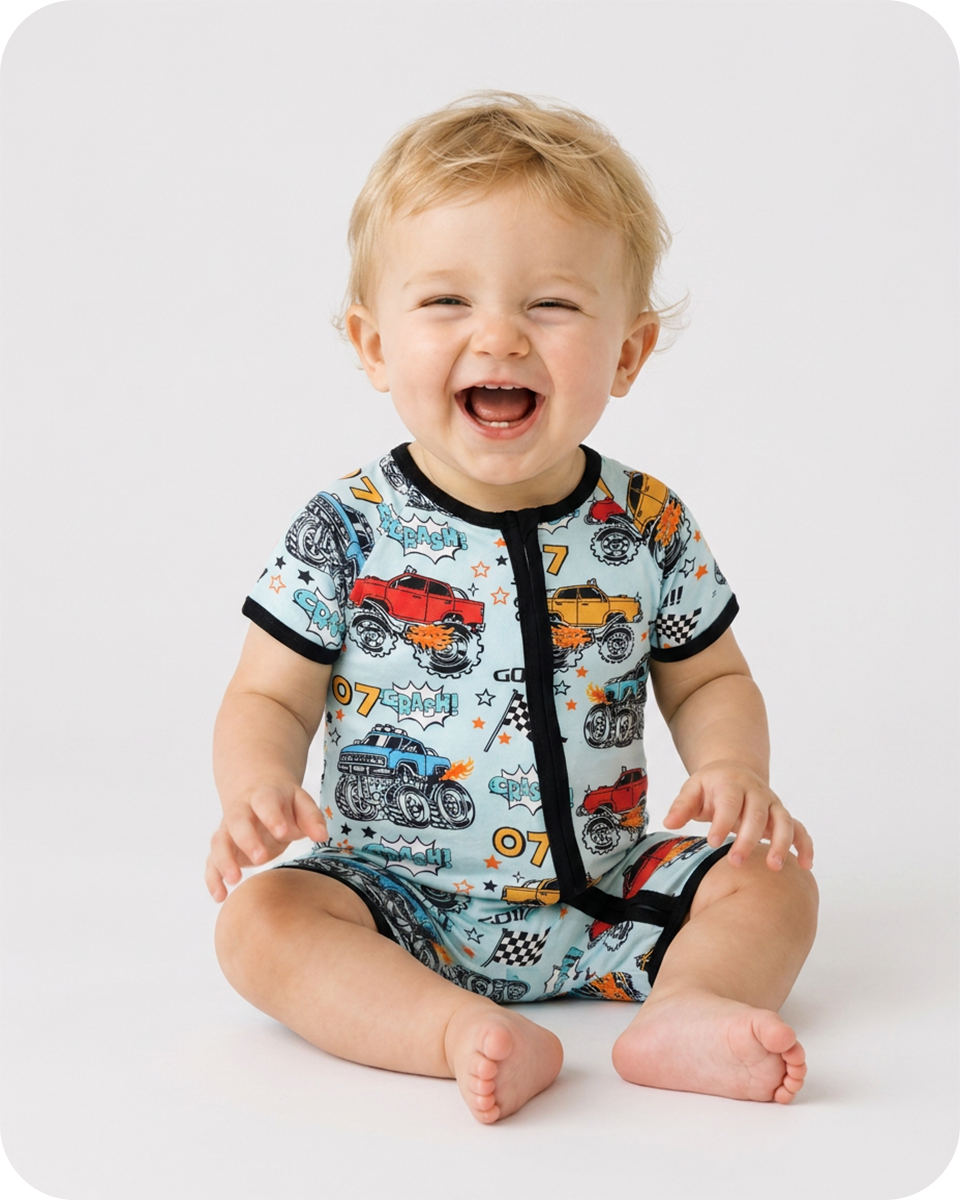
Think of a romper as a tiny wardrobe that must move with the baby, not against them. Choose cuts with a slightly roomy seat and a deep gusset so diapers sit comfortably without squeezing the legs. Soft, four-way stretch bamboo blends let little limbs kick and reach, while gentle shaping at the shoulders and ankle cuffs keeps the piece from riding up. Look for tagless labels, flat seams, and breathable fabric panels that reduce irritation—small comforts that make a big difference during long cuddle sessions or active play.
Fastenings are where convenience meets safety: quick changes and secure closures are non-negotiable. Prioritize features like easy-to-snap crotch closures, a hidden two-way zip for overnight checks, and reinforced snap tape to prevent gaps. Helpful details to scan for include fold-over mitten cuffs, elastic-free waistlines, and covered zippers so skin can’t snag. Recommended elements at a glance:
- Quick crotch snaps — fast diaper swaps without fully undressing.
- Two-way zipper — opens from the bottom for nighttime changes.
- Envelope neck — gentle on shoulders and easy to pull over the head.
- Elastic-free waist/leg openings — reduces marks and improves circulation.
| Fastening | Speed | Best for |
|---|---|---|
| Snaps | Quick | Frequent diaper changes |
| Two-way zipper | Very quick | Night feeds and one-piece convenience |
| Envelope neck | Moderate | Soft heads and easy dressing |
Certifications, Dye Safety, and Care Instructions That Protect Baby and Planet
Trustworthy labels do the heavy lifting when you want a romper that’s gentle on delicate skin and gentle on the planet. Look for certifications such as Oeko‑Tex Standard 100 (no harmful chemicals), GOTS (organic fiber and ethical processing), Bluesign (safe chemicals and resource efficiency), and GRS (responsible recycling). Prefer items dyed with low‑impact, azo‑free, or reactive dyes — these reduce toxic residues and wastewater load. Below is a quick cheat sheet to decode common seals so you can shop with confidence:
| Certification | What it ensures |
|---|---|
| Oeko‑Tex | No harmful chemical residues — safer for skin |
| GOTS | Organic fibers + social and environmental standards |
| Bluesign | Reduced hazardous inputs and water/energy use |
| GRS | Verified recycled content and processing |
How you launder a bamboo romper matters almost as much as how it was made. Follow these simple practices to protect the garment, baby’s skin, and the planet:
- Wash cold on a gentle cycle — saves energy and preserves fibers.
- Use an eco‑friendly, fragrance‑free detergent to avoid irritants.
- Avoid bleach and fabric softeners — they strip fibers and add chemicals.
- Line dry whenever possible; if you must tumble, use low heat to prevent shrinkage.
- Spot clean and wash only when necessary to reduce water use and wear.
- Repair and pass along — mending extends life and keeps textiles out of landfill.
By blending responsible purchasing with mindful care, you keep baby comfy and lower the ecological footprint one tiny romper at a time.
Recommended Bamboo Romper Picks for Newborns, Crawlers, and Toddlers
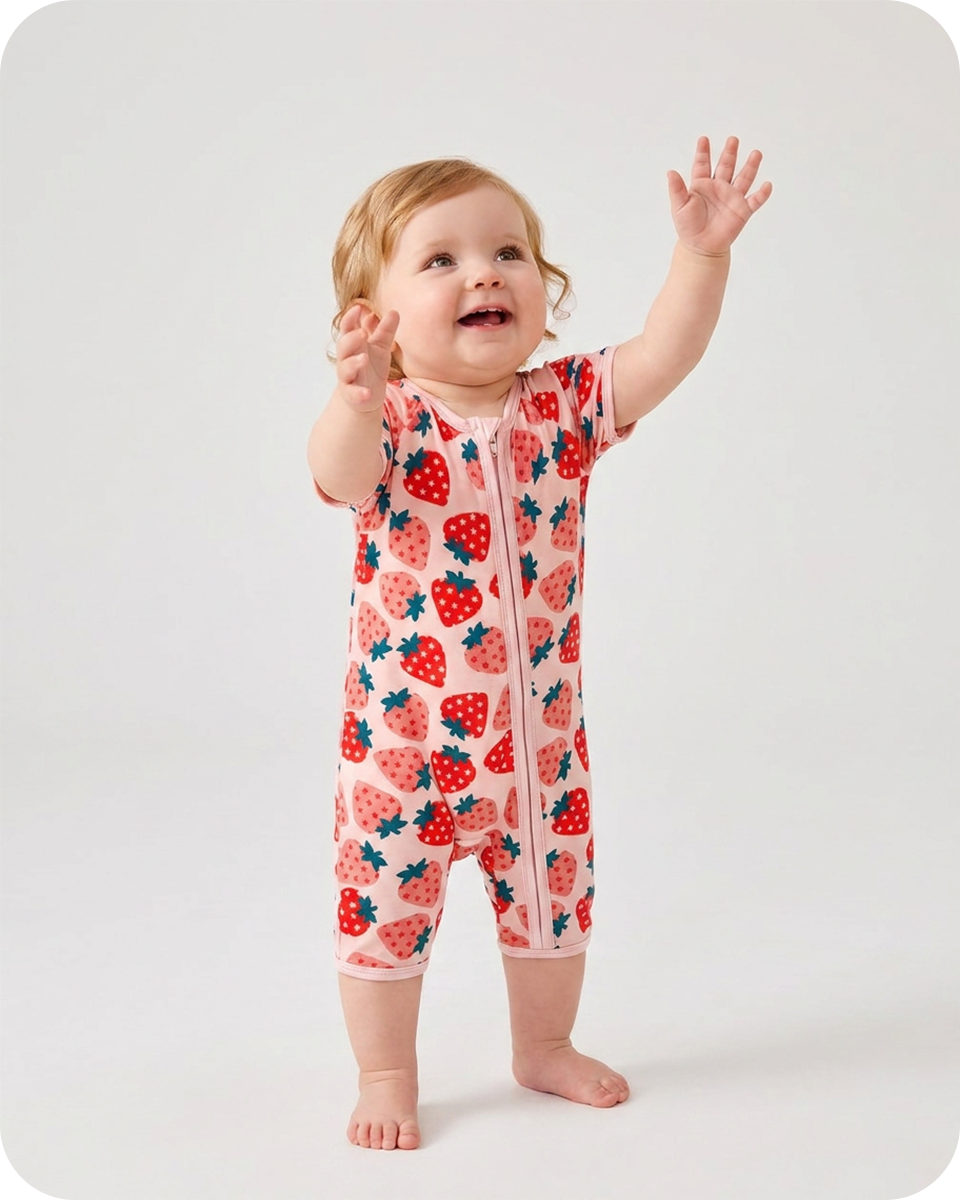
Look for rompers that combine softness, stretch, and smart closures — the right piece will soothe a newborn, survive a curious crawler, and keep up with a toddling adventurer. Top picks include:
- CloudNest Bamboo Wrap Romper – Perfect for the first weeks: side-wrap design for gentle dressing, breathable bamboo viscose, and snap-free neck for fuss-free feedings.
- PlayTrail Stretch Romper – Made for crawlers with reinforced knee patches, a roomy gusset for movement, and a two-way zipper for quick diaper changes.
- SunnyStride Footless Romper – Ideal for active toddlers: durable weave, UPF protection, and flexible hems that layer easily over sneakers or bare feet.
| Stage | Key Feature | Why it helps |
|---|---|---|
| Newborn | Gentle wrap / soft snaps | Minimizes fuss and protects delicate skin |
| Crawler | Reinforced knees | Adds durability where play wears fastest |
| Toddler | Stretchy fit & easy closures | Supports movement and fast solo dressing |
Practical tip: choose bamboo blends labeled Oeko‑Tex or organic, prefer two-way zippers or side snaps for speedy changes, and size up if your little one is between sizes — a bit of extra room equals longer wear and easier layering.
Q&A
Q: Why choose a bamboo baby romper?
A: Bamboo fabric is prized for its silky softness, breathability, and natural temperature‑regulating feel. It often drapes like a gentle cloud on delicate skin, making rompers comfy for sleeping, play, and everything in between.
Q: Is bamboo fabric safe for newborns and infants?
A: Generally, yes — bamboo-based fabrics are soft and low‑irritant for many babies. Safety depends more on the finishing chemicals and garment construction (secure seams, no loose trim). Look for certified products and always check for skin reactions when introducing a new item.
Q: How can I tell if a romper is really made from bamboo?
A: Check the fiber content on the label (e.g., “bamboo viscose,” “bamboo rayon,” “bamboo lyocell,” or a percentage blend). Also look for third‑party certifications (OEKO‑TEX, GOTS, where applicable) and clear brand transparency about sourcing and processing.
Q: What’s the difference between bamboo viscose, lyocell, and mechanically processed bamboo?
A: Bamboo viscose/rayon is chemically processed to create soft fibers (most common). Lyocell uses a more closed‑loop solvent process and is often marketed as more eco‑friendly. Mechanically processed bamboo (rare) yields a coarse fiber and is not typically used for baby clothing.
Q: Are bamboo rompers hypoallergenic or antibacterial as advertised?
A: Bamboo fibers can feel gentle and less irritating, but “hypoallergenic” and “antibacterial” claims vary by processing and may not hold after finishing. Choose certified products and monitor your baby’s skin rather than relying solely on marketing claims.
Q: What blend should I look for — 100% bamboo or bamboo blends?
A: 100% bamboo gives the softest, most natural drape. Blends (e.g., bamboo + cotton or bamboo + a small % of spandex) add durability and stretch for active babies. For mobility and snug fit, a small elastane content (around 3–5%) is common and useful.
Q: What fabric weight (GSM) is best for a romper?
A: For summer, look for lightweight fabrics around 140–160 gsm. Midweight (160–200 gsm) is versatile year‑round. Heavier (200+ gsm) can be good for cooler climates. These ranges are guidelines; comfort depends on weave and garment design, too.
Q: What practical features matter most when choosing a romper?
A: Prioritize:
– Easy diaper access (two‑way zippers or crotch snaps)
– Soft, non‑irritating seams and tags
– Envelope neck or wide neck for quick changes in newborns
– Secure closures without choking hazards
– Reinforced stitching at stress points
Q: How should I size a bamboo romper?
A: Size for comfort and a little room to grow. Consider torso length as much as weight/age. If between sizes, choose the larger for layering or slower growth — unless you need snug sleepwear (see safety).
Q: How do I care for bamboo rompers?
A: Wash cold or warm on a gentle cycle with mild detergent. Avoid bleach and fabric softeners. Tumble dry low or line‑dry to preserve softness and reduce shrinkage. Iron on low if needed. Follow the garment’s care label.
Q: Will bamboo fabrics shrink or pill?
A: Some shrinkage can occur if exposed to high heat; following care instructions minimizes this. Bamboo viscose may pill slightly with heavy abrasion, but good construction and proper care reduce pilling.
Q: Are bamboo rompers durable enough for active babies?
A: Yes, with proper construction (reinforced seams, quality closures) and reasonable care. Blends with cotton or a little elastane increase resilience for frequent washes and play.
Q: Are bamboo rompers truly eco‑friendly?
A: Bamboo, as a plant, is fast‑growing and needs less pesticide than many crops, which is a sustainability plus. However, environmental impact depends on how fibers are processed. Look for brands that use closed‑loop processes or third‑party certifications to back eco claims.
Q: Which certifications should I look for?
A: Useful certifications include OEKO‑TEX Standard 100 (low chemical residues) and GOTS (for organic textiles, though it applies mainly to natural fibers). For lyocell/closed‑loop processes, brand transparency about solvent recovery is a good sign.
Q: Are bamboo rompers worth the price premium?
A: Many parents find the softness, breathability, and drape justify a higher price. Long‑term value depends on durability and how much the baby likes the garment — buy a few quality pieces rather than many low‑quality ones.
Q: Any safety tips for sleepwear and daytime wear?
A: Follow local safety guidelines for infant sleepwear. For sleep, snug‑fitting garments avoid the need for chemical flame retardants. Check for small parts, long drawstrings, or loose trims that could pose hazards.
Q: How many bamboo rompers should I buy?
A: A practical starter set is 4–6 rompers, so you have backups between washes. Newborns may need more due to frequent changes; adjust based on laundry routine and the baby’s needs.
Q: What if my baby has very sensitive skin or eczema?
A: Bamboo can be a gentle choice, but always patch‑test and consult your pediatrician or dermatologist for persistent skin issues. Choose certified, dye‑free, fragrance‑free garments where possible.
Q: Where’s the best place to buy reliable bamboo rompers?
A: Look for reputable baby brands with transparent materials and manufacturing info, positive reviews on durability and fit, and clear return policies. Specialty baby boutiques and established online retailers are good starting points.
Q: Final quick checklist for buying a bamboo romper
A: Soft hand feel, clear fiber content, practical closures (two‑way zipper or crotch snaps), secure stitching, appropriate weight for climate, reputable certifications or brand transparency, and easy‑care instructions.
If you’d like, I can turn this into a printable FAQ card or tailor the Q&A to newborns versus toddlers. Which would you prefer?
To Conclude
Like a quiet grove after rain, the right bamboo romper can feel simple, soft, and reassuring — a small, everyday comfort that matters to both baby and parent. By balancing fabric quality, fit, safety features, and care needs with your values on sustainability and budget, you can choose a romper that keeps your little one cozy and lets you rest a little easier.
Let this guide be a starting place: compare labels, try different cuts, and trust how a garment moves and breathes on your baby. With a bit of thoughtful selection, the perfect bamboo romper will be the gentle layer that carries many naps, giggles, and milestones.