

There’s a quiet art to dressing a baby: balancing warmth with breathability, simplicity with durability, and comfort with the small practicalities of diaper changes and naps. With so many fabrics, snaps, and sizes on the market, knowing what to reach for can feel surprisingly complicated.
This guide—Bundle Up Right: Baby Clothing Essentials—lays out the essentials parents and caregivers need to make those choices easier. You’ll find clear guidance on fabrics and layering for different seasons, choosing the right sleepwear and outerwear, sizing and fit, easy-fastening designs, and sensible care tips that keep garments safe and long-lasting. Practical considerations like temperature regulation, safety standards, and wardrobe basics for growth spurts are included.
Whether you’re packing for a first outing or building a streamlined nursery closet, the following pages aim to simplify decisions so your little one stays comfortable, safe, and easy to dress.
Table of Contents
- Gentle Fabrics for Tiny Skin: Choosing Breathable Hypoallergenic Materials
- Mastering Layering Strategies for Changing Weather and Nap Time
- Safe and Cozy Sleepwear Choices with Thermal Levels and Sizing Tips
- Outdoor Essentials for Chilly Days, Including Snowsuits, Boots, and Hats
- Care and Longevity Tips to Keep Baby Clothes Soft and Functional
- Q&A
- In Retrospect
Gentle Fabrics for Tiny Skin: Choosing Breathable Hypoallergenic Materials
 Newborn skin thrives when wrapped in fabrics that breathe, move, and soothe. Choose natural, loosely woven textiles that pull moisture away and reduce rubbing—think organic cotton for daily softness, bamboo-derived viscose for silky wicking, and airy muslin for swaddles and layering. When temperatures dip, thin layers of merino wool keep warmth without creating a clammy barrier, helping to prevent heat rash and discomfort.
Small shopping and care habits go a long way toward keeping irritation at bay:
- Pre-wash every new piece with a gentle, fragrance-free detergent to remove manufacturing residues.
- Prefer certifications like GOTS or OEKO-TEX to avoid harsh dyes and finishes.
- Avoid plastic-feeling synthetics directly against skin; choose breathable knits instead.
- Layer thin pieces so you can adjust warmth without overheating.
| Fabric | Breathability | Allergen Risk | Ideal Use |
|---|---|---|---|
| Organic Cotton | High | Low | Everyday onesies |
| Bamboo Viscose | Very High | Low | Sleepwear |
| Muslin | High | Low | Swaddles & wraps |
| Merino Wool | Moderate | Low | Outer layers |
Mastering Layering Strategies for Changing Weather and Nap Time
Think of dressing your little one like composing a short playlist for the day — start with a soft, breathable base layer that hugs the skin, add a cozy mid layer for insulation, and finish with a weatherproof outer shell when needed. For naps, swap bulk for balance: a thin long-sleeve onesie plus a lightweight sleep sack often beats piling on blankets. Watch your baby’s cues — flushed cheeks or damp hair mean it’s time to remove a layer; cool fingers or a restless stir can signal they need one more cozy piece. Keep fabrics natural and stretchy so layers can be adjusted quickly without waking them.
- Rule of thumb: One more layer than you’re comfortable in is usually enough when heading outdoors.
- Nap-time checklist: Remove hats indoors, opt for a wearable blanket, and keep room temps around 68–72°F (20–22°C).
- Quick swaps: Use zippered sleepers and cardigans for fast on/off during diaper changes or quick temp checks.
- Extremities matter: Socks and mittens are easy to add or remove and can prevent heat loss without overheating the core.
| Temp (°F) | Daytime Layers | Nap Setup |
|---|---|---|
| 65–70 | Onesie + light sweater + hat | Onesie + sleep sack (light) |
| 55–64 | Thermal base + fleece + wind jacket | Thermal + sleep sack (medium) |
| Below 55 | Onesie + insulated romper + waterproof shell | Onesie + fleece sleep sack + hat (remove inside) |
Layering is less about rigid rules and more about quick adaptability — keep a small tote with an extra onesie, a pair of socks, and a thin blanket for last-minute adjustments. With practice, you’ll tune into the tiny signals that tell you when to peel off or button up, making every nap and outing calm, safe, and comfortably snug.
Safe and Cozy Sleepwear Choices with Thermal Levels and Sizing Tips
Think in layers and TOG, not just size. Small changes in fabric and thermal rating make a big difference to comfort: lightweight cotton onesies breathe in warm months, while higher-TOG sleepsuits trap warmth in chillier rooms. Check the label for the garment’s TOG (Thermal Overall Grade) when choosing sleepwear, and match it to your nursery’s temperature rather than the season alone. Natural, breathable fibers with a soft inner finish help regulate temperature and reduce skin irritation—avoid heavy synthetics against a newborn’s skin unless they’re part of a layered system.
| TOG | Room Temp (°C) | Recommended Sleepwear |
|---|---|---|
| 0.2–0.5 | 24–27 | Light cotton romper or short-sleeve bodysuit |
| 1.0 | 20–23 | Cotton footed sleep suit or thin sleepsack |
| 2.5 | 16–19 | Fleece sleep suit or layered sleepsack + onesie |
- Snug fit: Choose sleepwear that fits close to the body—not tight, but without excess fabric that can bunch up.
- Size up wisely: Allow a small growth buffer (one size) but avoid clothing several sizes too large.
- No loose layers: Skip blankets in the crib; use the right TOG sleep sack instead.
- Safety labels: Prefer snug-fitting garments labeled tight-fitting for infants under 12 months; older toddlers can wear loosely fitting, flame-resistant sleepwear.
- Check and replace: Inspect seams, snaps, and elastic regularly and launder before first wear to soften fabrics and remove residues.
When in doubt, perform a quick temperature check at your baby’s chest or neck—hands and feet are often cooler and not reliable indicators. Prioritize breathable fabrics, the proper TOG for the room, and a close but comfortable fit to keep sleep safe, calm, and cozy for your little one.
Outdoor Essentials for Chilly Days, Including Snowsuits, Boots, and Hats
When the air turns crisp, think of dressing your little one like a tiny explorer: start with a soft, breathable base layer, add a cozy mid-layer, and finish with a weatherproof outer piece that blocks wind and snow. A one-piece outer shell makes quick diaper changes easier and keeps drafts out, while snug, ear-covering headwear and secure mittens protect against heat loss from the extremities. Choose pieces that balance warmth and mobility so your baby can wiggle, crawl, or toddle without restriction.
- Insulated snowsuit: water-resistant, roomy enough for layers, and with easy zippers or snaps.
- Warm boots: insulated, with non-slip soles and roomy toes for thicker socks.
- Hats: fleece-lined, covering ears, and fasten gently under the chin if needed.
- Mittens and socks: waterproof mitts and wool-blend socks keep tiny fingers and toes toasty.
Fabric choice and fit matter more than fashion: look for breathable waterproof fabrics, taped seams, and adjustable cuffs to lock out snow. Avoid long scarves or loose drawstrings; instead, pick fitted neck covers or jackets with built-in collars. For quick decisions on the go, use the simple guide below to match each essential with a practical tip.
| Item | Quick Tip |
|---|---|
| Snowsuit | Size up slightly for layers and growth; test mobility. |
| Boots | Roomy toe box + grippy sole = warm, safe steps. |
| Hat | Cover ears snugly; choose soft, breathable lining. |
Care and Longevity Tips to Keep Baby Clothes Soft and Functional
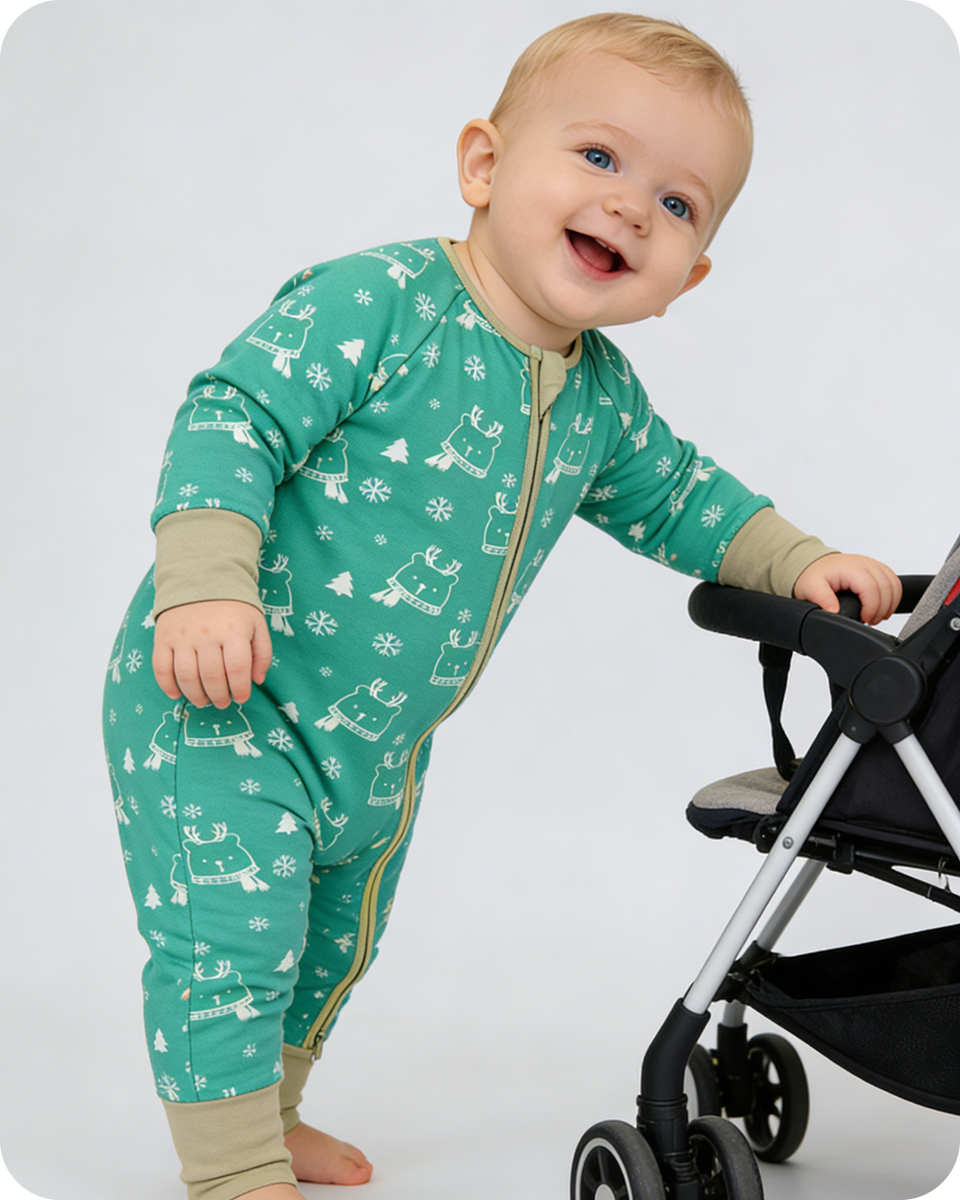
Softness starts in the wash. Treat stains promptly and wash baby clothes inside-out on a cold, gentle cycle using a mild, fragrance-free detergent to protect delicate fibers and sensitive skin. Use mesh bags for tiny socks and mittens, fasten snaps and zippers to prevent snags, and skip harsh bleach. For an eco-friendly softening trick, add a splash of distilled white vinegar during the rinse—no residue, just softness. When in doubt, air-dry knits flat to preserve shape and minimize pilling.
Longevity is equal parts repair and smart storage: mend small holes, replace loose elastics, and rotate wardrobes so pieces rest between wears. Keep colored garments out of direct sun to avoid fading, fold heavy knits instead of hanging to prevent stretching, and stash seasonal items in breathable cotton bags with cedar or lavender sachets for natural protection. Little habits go a long way—regularly check seams and trims before wash day to catch issues early and extend each piece’s life.
| Item | Wash | Dry | Quick Tip |
|---|---|---|---|
| Onesies | Cold, gentle | Low heat or air | Snap before wash |
| Knitwear | Hand or gentle | Lay flat | Fold to store |
| Socks & Mittens | Mesh bag | Air dry | Match pairs promptly |
Q&A
Q: What are the absolute must-haves in a baby’s wardrobe?
A: Basic must-haves are: several cotton onesies or bodysuits, sleepers/footed pajamas, a few swaddles or sleep sacks, soft hats, mittens for newborns, socks or booties, a lightweight and a warm outer layer (depending on season), and a waterproof outer shell for rain. Add a couple of bibs and a couple of outfit changes per day for messes.
Q: How should I dress a baby for changing temperatures?
A: Think in layers: start with a breathable base (cotton or bamboo), add insulating layers (fleece or merino), and finish with a wind- or water-resistant outer layer when needed. Layers let you remove or add clothing quickly to respond to temperature changes.
Q: How many of each item should I buy?
A: It depends on laundry frequency, but a reasonable starter kit:
– -6–8 bodysuits/onesies
– 6–7 sleepers
– 3–4 swaddles or sleep sacks
– 3–4 hats and mittens (newborns)
– 4–6 pairs of socks/booties
– 2–3 outer layers/jackets
Adjust up or down depending on the season and how often you wash.
Q: What fabrics are best for babies?
A: Natural, breathable fabrics like cotton and bamboo are great for everyday wear. Merino wool is excellent for temperature regulation in cold weather. Use synthetic waterproof shells for rain. Avoid heavy synthetics next to the skin if overheating or irritation is a concern.
Q: How do I prevent overheating or chilling?
A: A simple rule: dress the baby in one more layer than an adult would wear in the same conditions. Check the back of the neck or chest—if they’re sweaty, remove a layer; if cool, add one. Watch for signs: flushed skin, rapid breathing, or damp hair indicate overheating; cool extremities or lethargy may indicate cold.
Q: What should I know about sleepwear and safe sleep?
A: Use snug-fitting sleepwear or a properly sized sleep sack instead of loose blankets. Avoid overdressing for sleep—sleep sacks are safer than loose quilts or heavy blankets. Follow safe sleep guidelines: baby on their back, clear crib, and appropriate room temperature (about 68–72°F/20–22°C is commonly recommended).
Q: Are swaddles safe, and when should I stop swaddling?
A: Swaddles can soothe newborns and reduce the startle reflex, but stop swaddling as soon as your baby shows signs of rolling (usually around 2–4 months). Use swaddles that allow for hip movement to reduce hip dysplasia risk.
Q: How should I dress my baby for car rides?
A: Avoid bulky coats under car seat harnesses. Use thin layers and, if it’s cold, put a blanket or removable coat over the strapped child after harnessing. Specialized car-seat-safe blankets or ponchos that fit under the straps are available.
Q: What about mittens and socks—do newborns need them?
A: Newborn mittens prevent scratching; socks keep tiny feet warm. Babies often lose heat through their heads, so a soft hat is useful, especially in colder environments or outdoors.
Q: How do I choose the right size?
A: Babies grow fast—buy for current fit and the next size up. For newborns, there are a few tiny sizes, but avoid stocking up only on newborn sizes; many infants outgrow them quickly. Look at weight ranges on labels and consider the garment’s fit (snug vs. roomy).
Q: How should baby clothes be washed?
A: Wash new clothes before first wear. Use a mild, fragrance-free detergent formulated for babies if possible. Avoid fabric softeners and strong fragrances that can irritate sensitive skin. Wash whites and colors according to label instructions; tumble drying on low, or air-drying is usually fine.
Q: What clothing features are most convenient for parents?
A: Snap or zip closures that open from the top to the bottom make diaper changes faster. Envelope-neck or shoulder designs make dressing over the head easier. Avoid too many buttons or fiddly fasteners for newborns.
Q: Are flame-resistant clothes necessary?
A: Sleepwear regulations vary by country. In many places, loose-fitting sleepwear must be flame-resistant; snug-fitting sleepwear is treated differently. Check local regulations and labels; choosing snug-fitting, well-sized sleepwear reduces risk.
Q: How should I dress a baby for summer or hot climates?
A: Use lightweight, breathable fabrics (cotton, bamboo). Short-sleeved bodysuits and rompers are ideal. Protect from the sun with wide-brim hats and lightweight layers; for extended sun exposure, use UPF-rated clothing and keep infants under 6 months out of direct sunlight where possible.
Q: What about winter—how do I keep the baby warm without overheating?
A: Start with a thermal or cotton base layer, add a fleece or wool middle layer, and top with a windproof/waterproof coat or bunting for outings. Limit heavy layers indoors and use a warm hat and mittens outside. Check neck or back for warmth and avoid bulky coats under car seats.
Q: Are certain materials likely to cause allergies or irritation?
A: Some babies have sensitive skin; synthetic dyes, rough seams, and certain synthetics can irritate. Organic cotton or bamboo is often gentler. If the baby develops a rash, simplify to plain cotton garments and consult pediatric advice.
Q: How to build a practical gift registry for baby clothing?
A: Focus on essentials in a range of sizes: onesies, sleepers, swaddles, sleep sacks, a warm jacket, season-appropriate hats, and practical accessories like bibs and burp cloths. Include a few higher-quality items (e.g., a merino layer or weatherproof shell).
Q: Any tips for keeping clothes organized and minimizing clutter?
A: Sort clothing by size and season in labeled bins or drawers. Keep a small “ready” shelf of current-size outfits. Use multi-compartment organizers for socks and mittens. Donate or pass along items the baby outgrows.
Q: When should I buy specialty items (preemie clothes, long johns, bunting)?
A: Specialty items are useful if you know you’ll need them—premature birth, very cold climates, or specific outings. Otherwise, start with the basics and add specialty pieces as needed.
Q: What are easy, cost-effective ways to build a baby wardrobe?
A: Buy quality basics that wash well, borrow or accept hand-me-downs for rapidly outgrown sizes, shop seasonal sales, and focus on versatile pieces (neutral colors, reversible items). Prioritize comfort and safety over trendy items.
Q: How do I handle dressing an unsettled or crying baby?
A: Keep calm and work efficiently: have everything laid out, use quick-change garments, and try to soothe with a rhythmic voice or gentle movement while dressing. If the baby resists, pause and comfort before continuing.
In Retrospect
As you head out to pick, pack, or plan, remember that baby clothing is as much about function as it is about comfort. Prioritize breathable fabrics, sensible layers, proper fit, and safety features, and let the weather and activity guide your choices. Small adjustments — an extra layer in the stroller, a hat for a windy walk, or a lighter onesie for indoor play — make a big difference in comfort and ease.
Trust your instincts, use this as a practical guide, and adapt as your little one grows. With CloudsBoo essentials in your wardrobe, bundling up becomes a simple, confident routine rather than a last-minute scramble. Wrap them warmly, keep it simple, and enjoy the moments in between.