
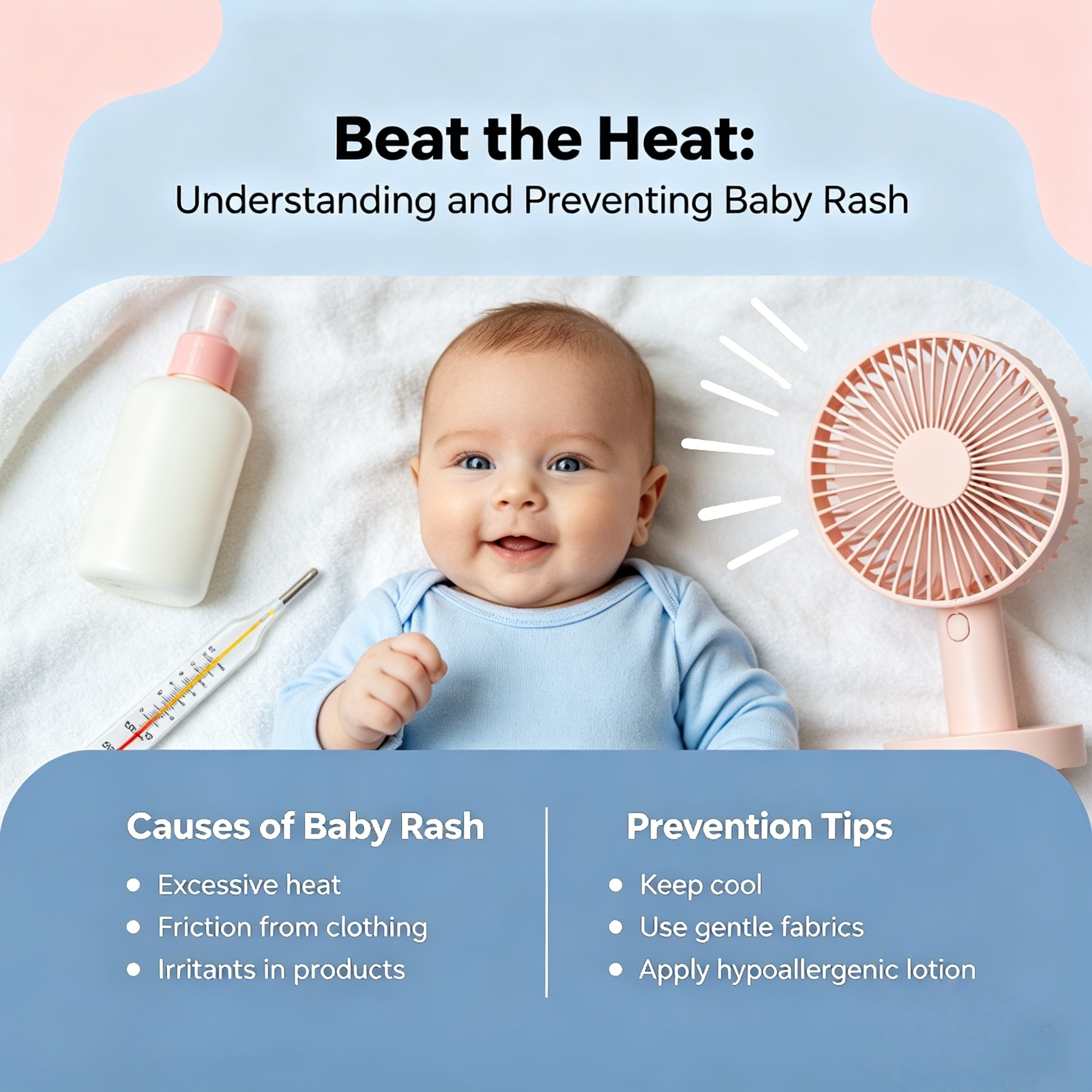
As the summer sun blazes and temperatures climb, little ones can find themselves not just uncomfortable, but vulnerable to a common and often overlooked woe: baby rash. Those delicate, sensitive skin folds are especially prone to irritation when the heat and humidity rise, turning joyful days into fussy moments. Understanding the causes and signs of heat-related rashes in babies is the first step toward keeping your child cool, comfortable, and rash-free. In this article, we’ll delve into the nature of baby rashes caused by heat and share practical tips to help parents and caregivers beat the heat while protecting their child’s tender skin.
Table of Contents
- Understanding the Causes Behind Baby Heat Rash
- Recognizing the Signs and Symptoms Early
- Effective Skincare Routines to Soothe Delicate Skin
- Practical Tips to Keep Your Baby Cool and Comfortable
- When to Seek Medical Advice for Persistent Rashes
- Q&A
- To Conclude
Understanding the Causes Behind Baby Heat Rash
- Excessive sweating: Babies naturally sweat more than adults since their skin is more sensitive and their sweat glands are still developing.
- Overdressing: Layers of clothing or heavy fabrics trap moisture, preventing sweat from evaporating.
- Environmental humidity: High humidity slows down the drying process of sweat, leading to clogged pores.
- Friction: Areas where skin rubs against skin or clothing can aggravate irritation.
| Cause | Effect on Baby’s Skin |
|---|---|
| Overdressing | Traps heat and moisture |
| Humidity | Slows sweat evaporation |
| Friction | Irritates sensitive areas |
Recognizing the Signs and Symptoms Early
Identifying the early indicators of a baby’s rash is crucial for prompt care and relief. Watch for persistent redness that appears on the baby’s skin, often accompanied by small bumps or blotchy patches. These initial signs might be subtle but tend to become more noticeable around skin folds, neck, and diaper area.
A baby with a developing rash may also seem irritable or unusually uncomfortable, frequently scratching or rubbing the affected areas. Pay close attention to symptoms like:
- Increased fussiness during diaper changes or after being dressed
- Dry, flaky, or peeling skin around irritated spots
- Warmth of the affected skin compared to other areas
- Small blisters or oozing, which require immediate attention
To better understand how symptoms progress, here is a simple guide:
| Symptom | Early Stage | Advanced Stage |
|---|---|---|
| Skin Appearance | Redness, small bumps | Blisters, peeling, raw areas |
| Baby’s Behavior | Slight irritability | Frequent fussiness, discomfort |
| Skin Texture | Warm to the touch | Swollen, sensitive |
Effective Skincare Routines to Soothe Delicate Skin
- Use gentle, fragrance-free products designed for sensitive skin
- Keep bathing brief and always use lukewarm water
- Apply a mild moisturizer immediately after washing to lock in hydration
- Dress in breathable, natural fabrics to reduce irritation and sweating
| Step | Action | Recommended Ingredients |
|---|---|---|
| 1 | Cleansing | Oat Extract, Aloe Vera |
| 2 | Moisturizing | Shea Butter, Chamomile |
| 3 | Protection | Cotton Clothing, Breathable Fabrics |
Practical Tips to Keep Your Baby Cool and Comfortable
- Use a damp cloth: Lightly wipe your baby’s skin to prevent sweat accumulation.
- Avoid powders: Talcum powders can clog pores and worsen rashes.
- Keep naps cool: Use a portable fan or natural shade when your baby sleeps outside.
| Tip | Why It Helps |
|---|---|
| Choose cotton clothing | Breathable, reduces sweat buildup |
| Air-conditioned room | Maintains a stable, cool temperature |
| Frequent diaper changes | Prevents moisture and irritation |
When to Seek Medical Advice for Persistent Rashes
Though many baby rashes clear up with gentle care at home, there are moments when professional guidance becomes essential. If you notice that the rash is spreading rapidly, intensifying in redness, or accompanied by swelling and oozing, it’s a sign that your little one might need more than just soothing lotions. Additionally, if the rash persists beyond two weeks without any improvement or keeps recurring, it’s wise to consult your pediatrician promptly.
Keep an eye out for other warning signs like:
- Fever above 100.4°F (38°C) alongside the rash
- Severe discomfort or constant crying, which may indicate irritation
- Blistering or peeling skin that could signal infection
- Changes in behavior or feeding patterns that raise concern
| Symptom | Possible Concern | Recommended Action |
|---|---|---|
| Rapidly spreading rash | Infection or allergic reaction | Visit the doctor immediately |
| Persistent rash > 2 weeks | Underlying condition | Schedule a pediatric check-up |
| Fever with rash | Systemic illness | Seek urgent medical attention |
Q&A
Q&A: Beat the Heat: Understanding and Preventing Baby Rash
Q1: What exactly is a baby rash caused by heat?
A: Often called heat rash or prickly heat, this condition occurs when a baby’s sweat glands become blocked, trapping sweat under the skin. The result? Tiny, red bumps or blisters that can make your little one uncomfortable—especially during warm weather or times of high humidity.
Q2: Why are babies more prone to heat rash than adults?
A: Babies have delicate, thin skin, and their sweat glands are not yet fully developed. This makes it harder for them to regulate temperature and release sweat effectively, so heat and moisture build up easily, triggering rashes.
Q3: What are the common signs and symptoms to watch for?
A: Look for small red or pink bumps, sometimes filled with fluid, typically appearing on the neck, chest, diaper area, or folds of skin like the armpits. Your baby may seem fussy or scratch the irritated spots, indicating discomfort or itchiness.
Q4: How can parents prevent heat rash in their babies?
A: The key is to keep babies cool and dry: dress them in light, breathable fabrics such as cotton, avoid overdressing, and ensure they’re in shaded, well-ventilated areas during hot weather. Frequent diaper changes and gentle skin care routines also help minimize moisture build-up.
Q5: What’s the best way to treat heat rash when it occurs?
A: Keep the affected area cool and dry. Give your baby plenty of fluids, use cool compresses, and let their skin breathe by exposing the rash to air when possible. Avoid heavy creams or oils that can block pores; if needed, use mild, fragrance-free baby powders sparingly.
Q6: When should I call a pediatrician about my baby’s rash?
A: If the rash worsens, spreads, or seems infected (with swelling, pus, or fever), or if your baby shows signs of distress beyond mild discomfort, it’s time to seek medical advice. Persistent or severe rashes might require professional treatment.
Q7: Can heat rash have long-term effects on my baby’s skin?
A: Generally, heat rash is temporary and clears up without lasting damage once the skin cools and breathes. Prompt attention and care reduce the risk of complications such as infections or scarring.
Q8: Are there any myths about baby heat rash I should be aware of?
A: Yes! For example, some say you should “toughen up” the rash by exposing it to the sun, but sun exposure can worsen irritation. Another myth is that strict avoidance of all fats or oils prevents rash; in reality, gentle moisturizing can aid healing if you use appropriate products.
Q9: How can understanding heat rash empower parents and caregivers?
A: Knowledge is your best defense. Recognizing early signs, knowing prevention tips, and responding promptly helps keep your baby comfortable and happy through the heat. It turns a potentially stressful situation into a manageable and reassuring experience.
Keeping your baby cool and cozy doesn’t have to be a mystery. Armed with these answers, you can beat the heat—and the rash—with confidence!
To Conclude
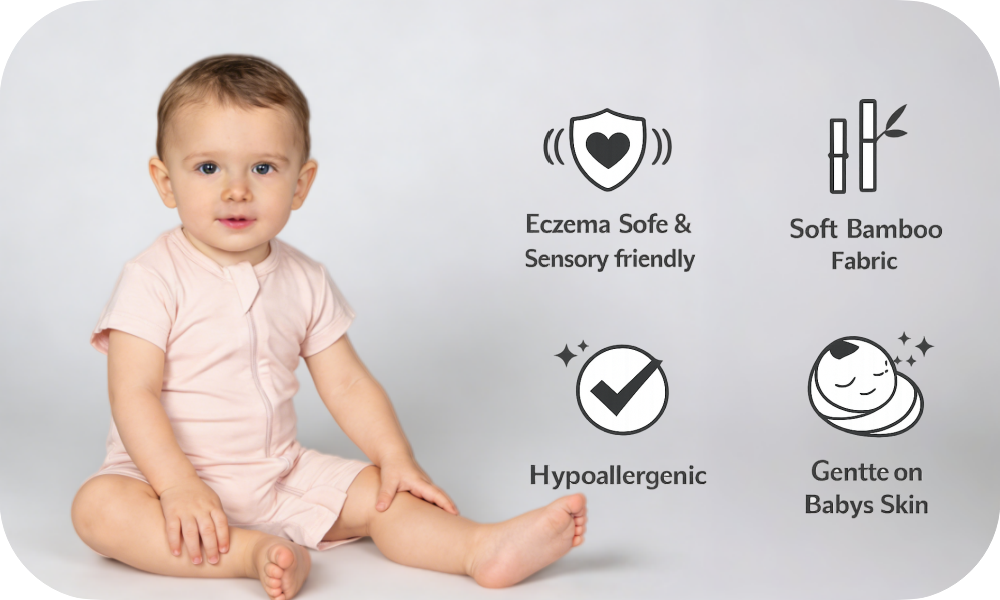
As the sun shines brighter and temperatures rise, keeping your little one comfortable becomes a daily mission. Understanding the causes and prevention of baby rash is more than just a caregiver’s task—it’s an act of love and attentiveness. That’s why many parents choose breathable bamboo essentials like Cloudsboo bamboo pajamas, designed to help regulate temperature and keep delicate skin cool, dry, and comfortable. By staying informed and proactive, you can help your baby beat the heat and enjoy the warmer days with fresh, happy skin. Remember, a little care goes a long way in turning those hot, sticky moments into cool, cozy memories.