
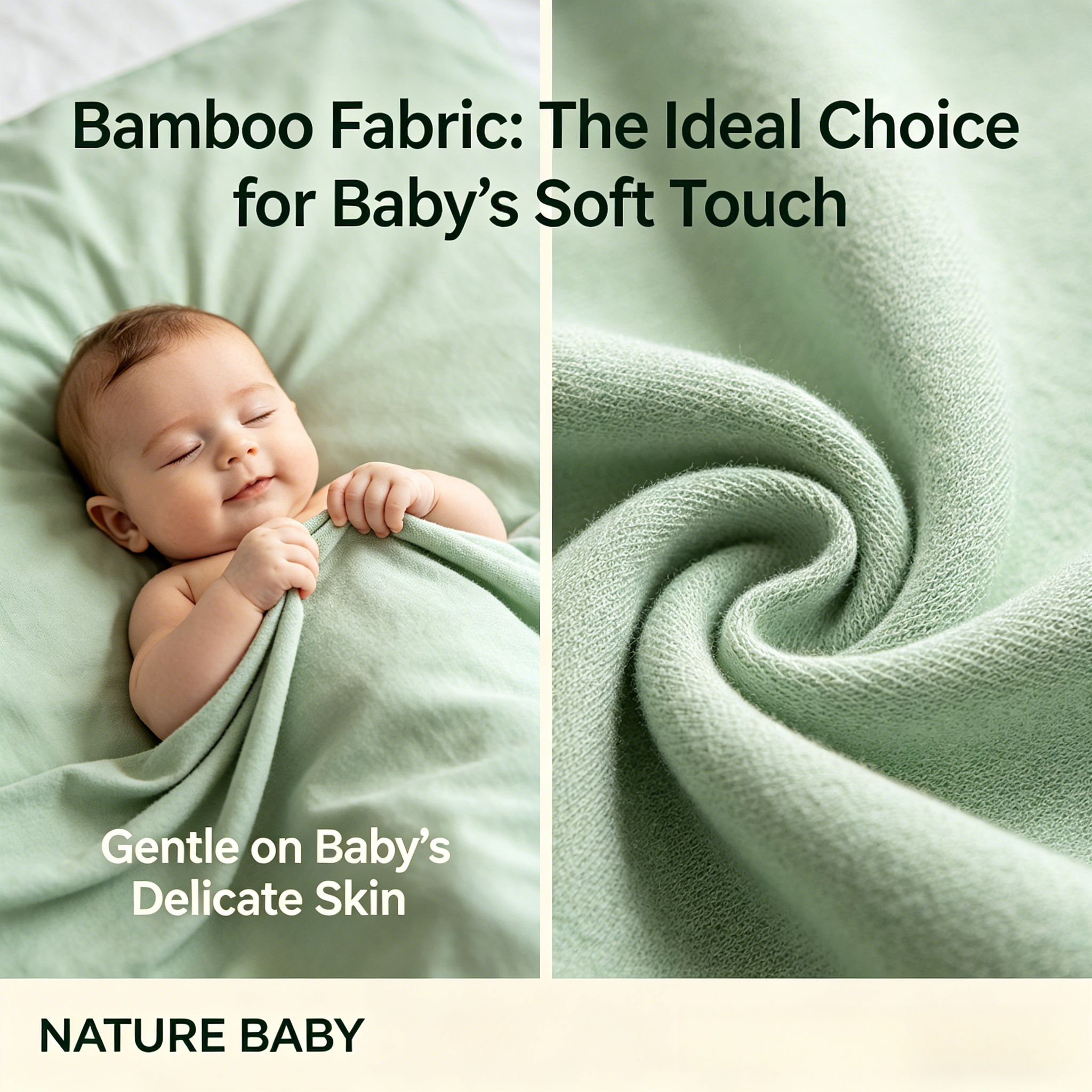
In the delicate world of a newborn, every choice matters—especially when it comes to the fabrics that caress their sensitive skin. Enter bamboo fabric, a modern marvel that combines nature’s gentleness with innovative sustainability. Renowned for its exceptional softness and breathability, bamboo fabric emerges as an ideal choice for babies’ soft touch, offering comfort and care in every thread. This article explores why bamboo fabric is capturing the hearts of parents and redefining what it means to nurture with softness.
Table of Contents
- Bamboo Fabric and Baby Skin Sensitivity: A Gentle Embrace for Delicate Complexions
- Sustainability Meets Softness: How Bamboo Becomes an Eco-Friendly Choice for Baby Clothing
- Breathability and Moisture-Wicking Properties: Keeping Your Baby Comfortable Around the Clock
- Caring for Bamboo Baby Garments: Tips to Preserve Softness and Longevity
- Where to Find Quality Bamboo Baby Products, Trusted Brands, and What to Look For
- Q&A
- To Conclude
Bamboo Fabric and Baby Skin Sensitivity: A Gentle Embrace for Delicate Complexions
Beyond softness, bamboo fabric’s natural antibacterial qualities provide an added layer of protection against common allergens and bacteria that may trigger skin discomfort. This eco-friendly textile also boasts impressive durability and ease of care, standing up to frequent washes without losing its gentle touch. Parents can feel confident choosing bamboo not only for its luxury feel but also for its commitment to preserving their baby’s health.
- Hypoallergenic and antiseptic – minimizes skin irritation
- Highly breathable – promotes airflow to prevent overheating
- Moisture-wicking – keeps skin dry and comfortable
- Eco-friendly – sustainable and biodegradable
- Durable – withstands baby’s active lifestyle and frequent washing
| Fabric Feature | Baby Skin Benefit |
|---|---|
| Silky Soft Texture | Prevents chafing and redness |
| Thermoregulating | Maintains comfortable body temperature |
| Natural Antimicrobial | Reduces odor and bacteria growth |
Sustainability Meets Softness: How Bamboo Becomes an Eco-Friendly Choice for Baby Clothing
Beyond comfort, bamboo’s eco-friendly qualities shine. It grows quickly without the need for pesticides or excessive water, making it an environmentally responsible option for conscientious parents. The closed-loop process used to turn bamboo into fabric minimizes chemical use and waste, resulting in a sustainable product that supports a healthier planet while enveloping your baby in cozy softness.
- Antibacterial properties help keep baby clothes fresh and clean.
- UV protection provides an extra layer of safety outdoors.
- Durability maintains softness wash after wash, ensuring long-lasting wear.
| Feature | Bamboo Fabric | Cotton Fabric |
|---|---|---|
| Water Usage | Low | High |
| Softness | Silky Smooth | Soft |
| Growth Time | 3-5 years | 3 months |
| Chemical Use | Minimal | Often high |
Breathability and Moisture-Wicking Properties: Keeping Your Baby Comfortable Around the Clock

When it comes to choosing fabrics for your baby, the ability to regulate temperature and keep moisture at bay is paramount. Bamboo fabric naturally excels in these areas, offering exceptional breathability that allows air to circulate freely around your little one’s delicate skin. This means your baby stays cool and comfortable during warmer days, while the fabric’s inherent insulating properties help retain just the right amount of warmth in cooler conditions. The gentle airflow also significantly reduces the risk of heat rashes and skin irritation.
In addition to breathability, moisture-wicking is a game-changer for babywear. Bamboo fibers have a remarkable capacity to absorb moisture quickly and release it faster than traditional cotton, ensuring that sweat or spills don’t linger against the skin. This moisture management not only enhances comfort but also promotes a hygienic environment by reducing dampness—a common culprit for bacterial growth. Parents can trust bamboo fabric to keep their baby dry and cozy, whether it’s naptime, playtime, or bedtime.
- Natural temperature regulation: Bamboo adjusts to your baby’s body heat.
- Superior moisture-wicking: Moves liquid away from the skin efficiently.
- Soft yet durable: Withstands daily washes without losing breathability.
Caring for Bamboo Baby Garments: Tips to Preserve Softness and Longevity
Avoiding high heat is key during both washing and drying. Bamboo fibers can weaken if exposed to hot water or a high-heat dryer, leading to shrinkage or stiffness. Instead, air-drying or tumble-drying on a low-heat setting will preserve the fabric’s natural smoothness and elasticity.
For optimal longevity, follow these simple care tips:
- Turn garments inside out before washing to reduce friction
- Avoid bleach and fabric softeners, as they degrade bamboo fibers
- Wash bamboo baby clothes separately or with similar fabrics to prevent pilling
- Iron on low heat only if necessary, but usually, bamboo fabric resists wrinkles naturally
| Care Step | Why It Matters |
|---|---|
| Cold Water Wash | Preserves fiber integrity |
| Mild Detergent | Protects baby’s skin & fabric softness |
| Low Heat Drying | Prevents shrinkage and stiffness |
| No Fabric Softener | Maintains natural absorbency and breathability |
Where to Find Quality Bamboo Baby Products, Trusted Brands, and What to Look For
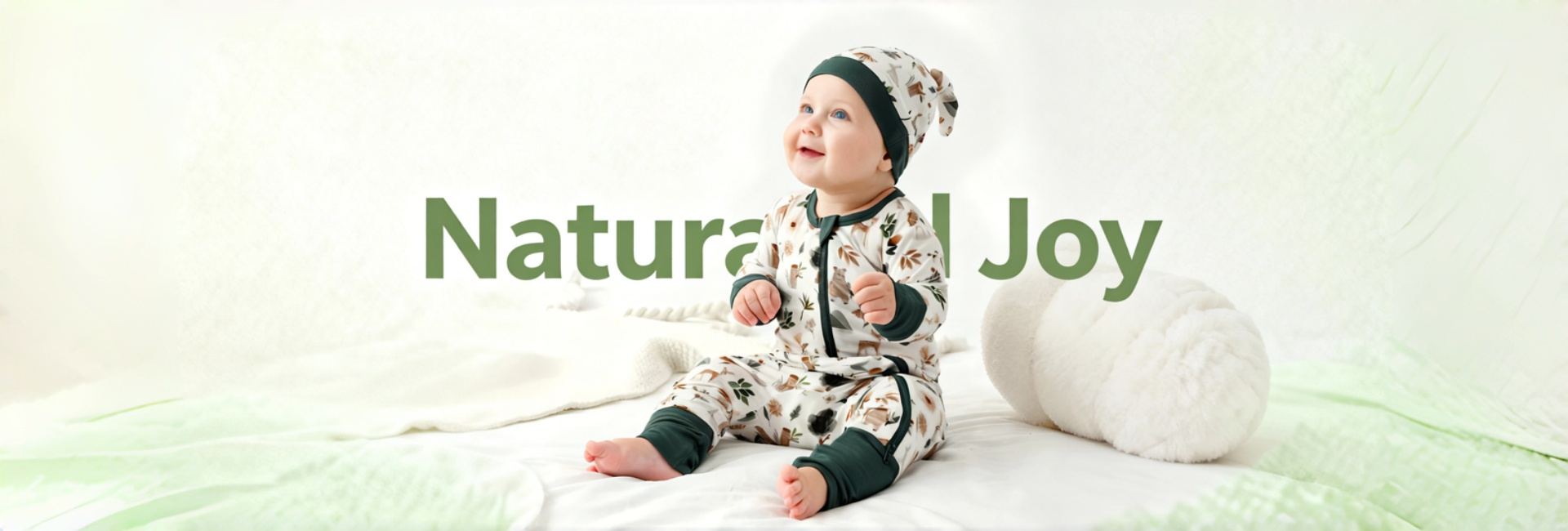 Finding genuine bamboo baby products requires a discerning eye for quality and sustainability. Leading brands focus on eco-friendly sourcing, ensuring their bamboo fabric is *organic* and free from harmful chemicals—an essential factor for your baby’s delicate skin. Look for certifications such as OEKO-TEX Standard 100 and GOTS (Global Organic Textile Standard), which validate the safety and eco-conscious manufacturing practices behind the products.
When exploring options, consider these key elements:
- Softness and Breathability: Bamboo fabric naturally offers excellent moisture-wicking and thermal regulation, perfect for sensitive babies.
- Durability: Unlike some natural fibers, bamboo maintains its strength after multiple washes, maintaining both comfort and longevity.
- Hypoallergenic Properties: Bamboo’s antibacterial traits reduce the risk of irritation and allergic reactions.
| Brand | Key Feature | Price Range |
|---|---|---|
| EcoBabe | 100% Organic Bamboo Swaddle Blankets | $25 – $40 |
| BambooNest | Hypoallergenic Baby Clothing Line | $30 – $60 |
| PureSprout | Bamboo Hooded Towels & Washcloths | $15 – $35 |
Q&A
Q&A: Bamboo Fabric – The Ideal Choice for Baby’s Soft Touch
Q1: What makes bamboo fabric especially suitable for baby clothing and bedding?
A1: Bamboo fabric is celebrated for its incredibly soft texture, often compared to silk or cashmere. This gentle feel is perfect for a baby’s delicate skin, reducing irritation and promoting comfort throughout the day and night.
Q2: How does bamboo fabric compare to traditional cotton for babies?
A2: While cotton is a popular choice, bamboo fabric offers superior softness and breathability. It naturally wicks moisture away, keeping babies dry and comfortable. Additionally, it tends to be more hypoallergenic and antimicrobial, providing an extra layer of protection for sensitive skin.
Q3: Is bamboo fabric eco-friendly?
A3: Yes, bamboo grows quickly with minimal water and no need for pesticides, making it a sustainable resource. The production of bamboo fabric typically has a lower environmental impact than conventional textiles, aligning well with eco-conscious parenting choices.
Q4: How is bamboo fabric cared for in baby products?
A4: Bamboo fabric is relatively easy to care for; it can usually be machine-washed in cool water and tumble-dried on a low setting. Its durability ensures that the softness remains intact even after multiple washes, making it practical for busy families.
Q5: Are there any safety concerns regarding bamboo fabric for infants?
A5: Authentic bamboo fabric processed mechanically or with eco-friendly methods is safe for babies. However, it’s advisable to check for certifications or ensure the fabric is free from harmful chemicals, as some bamboo textiles are made with harsher chemical processes.
Q6: Can bamboo fabric help with common baby skin issues?
A6: Due to its hypoallergenic and breathable properties, bamboo fabric may reduce the risk of rashes, eczema flare-ups, and other skin irritations. Its moisture-wicking ability also helps maintain a comfortable skin environment, which is crucial for newborns.
Q7: What baby products commonly use bamboo fabric?
A7: Bamboo fabric is popular in swaddles, blankets, onesies, bibs, and even crib sheets. Its softness and durability make it a versatile choice for many items that stay close to a baby’s skin.
Q8: Is bamboo fabric more expensive than other baby fabrics?
A8: Bamboo fabric can be slightly pricier upfront due to its sustainable production and quality. However, its longevity, comfort, and eco-friendly attributes often justify the investment for many parents seeking the best for their babies.
This Q&A provides a clear and creative overview, helping parents understand why bamboo fabric stands out as an ideal choice for their baby’s soft touch.
To Conclude
In the delicate world of a baby’s skin, every thread counts. Bamboo fabric, with its gentle touch and naturally breathable fibers, emerges not just as a fabric but as a nurturing embrace. Choosing bamboo means wrapping your little one in comfort that respects both their sensitive skin and the environment. As you navigate the tender journey of parenthood, let bamboo be the whisper that ensures every cuddle, every nap, and every giggle is swathed in care—quietly perfect, naturally kind.
If you’re ready to give your little one this naturally gentle comfort, explore the bamboo collection at Cloudsboo and find the perfect piece made for soft moments and sweeter days. 🌿👶