
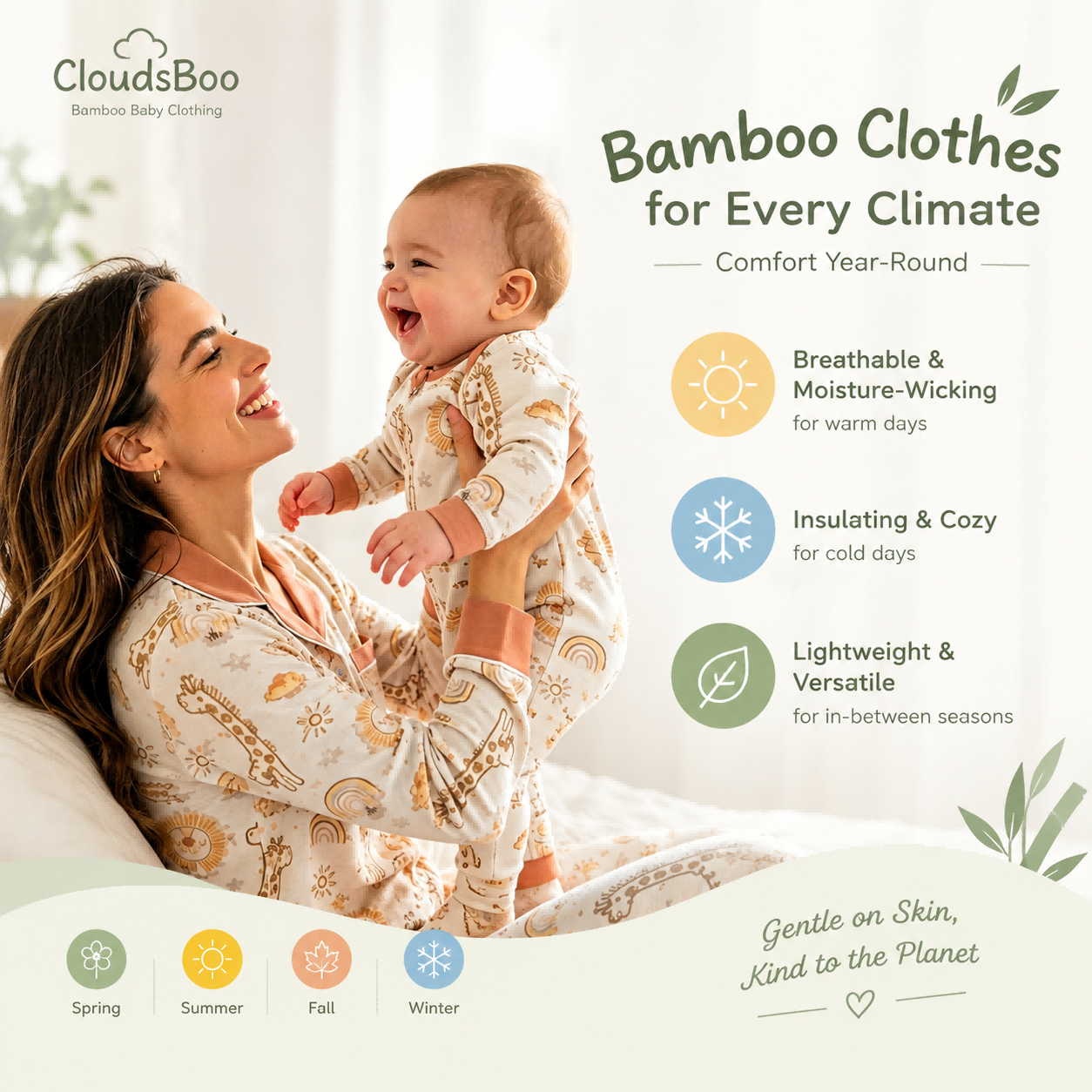
In a world where climate diversity shapes our daily lives, finding clothing that adapts seamlessly from summer’s warmth to winter’s chill is a modern-day quest. Enter bamboo fabric-a natural fiber whose versatility and comfort have captured the attention of eco-conscious consumers and style enthusiasts alike. From humid tropics to crisp mountain air, bamboo clothes promise breathable softness, moisture-wicking properties, and temperature regulation that make them a wardrobe staple for every season. This guide explores how bamboo garments can provide year-round comfort, proving that sustainable fashion need not compromise on function or feel, no matter the weather.
Table of Contents
- Bamboo Fabric Breathability and Moisture Management for Warm Weather
- Insulating Properties of Bamboo Clothing in Colder Climates
- Layering Bamboo Apparel for Transitional Seasons
- Care Tips to Maintain Bamboo Clothing Quality Throughout the Year
- Choosing Bamboo Clothing Styles Tailored to Your Climate Needs
- Q&A
- Wrapping Up
Bamboo Fabric Breathability and Moisture Management for Warm Weather
 When temperatures climb, staying cool and comfortable becomes a priority-and bamboo fabric shines in this regard. Thanks to its natural porous structure, bamboo fibers allow air to circulate freely across the skin, enhancing breathability and preventing overheating. This breathable nature ensures that garments made from bamboo fabric feel light and airy, making them an excellent choice for hot and humid environments.
Beyond breathability, bamboo fabric excels at moisture management. It wicks sweat away from the body faster than many traditional materials, pulling moisture to the fabric’s outer surface where it can evaporate quickly. This helps keep you dry and comfortable even during intense outdoor activities or long, warm days. Additionally, because bamboo naturally resists bacterial growth, it reduces odors by limiting the buildup of sweat-related microbes.
- Lightweight fibers that enhance airflow
- Superior moisture-wicking capabilities
- Natural anti-bacterial properties for odor control
- Soft texture that stays comfortable against warm skin
| Feature | Benefit in Warm Weather |
|---|---|
| Porous Fiber Structure | Promotes air circulation, preventing heat buildup |
| Moisture-Wicking | Keeps skin dry by moving sweat outward |
| Anti-Bacterial Properties | Minimizes odor for all-day freshness |
| Softness | Enhances comfort, reducing skin irritation |
Insulating Properties of Bamboo Clothing in Colder Climates
- Moisture-wicking properties that keep skin dry and warm
- Soft, insulating texture that feels cozy next to the skin
- Hypoallergenic qualities suitable for sensitive skin during cold weather
- Durability and resistance to shrinking after multiple washes
| Feature | Benefit in Cold Climate |
|---|---|
| Air Trapping Fibers | Creates insulation, retains warmth |
| Moisture Management | Keeps skin dry, reduces chill |
| Soft Texture | Comfort for extended wear |
| Durability | Long-lasting warmth, reliable layering |
Layering Bamboo Apparel for Transitional Seasons

As temperatures begin to fluctuate, bamboo apparel offers a versatile foundation for creating seamless, adaptable outfits. Thanks to its breathable yet insulating properties, bamboo fabric works exceptionally well as a base layer, regulating body temperature whether the day starts chilly and warms up by afternoon. Pair a bamboo long-sleeve tee with lightweight outer layers for comfort that transitions effortlessly from morning to evening.
When building your ensemble, consider layering with these essentials:
- Bamboo blend cardigans: Soft, cozy, and easy to remove when the sun peeks out.
- Lightweight scarves: Bamboo-infused scarves that retain warmth without bulk.
- Breathable bamboo jackets: Designed to wick moisture while shielding from cool breezes.
Layering with bamboo allows for flexibility without sacrificing style – each piece complements the next with harmonious textures and natural moisture management. This means you stay comfortably dry and fresh throughout sudden weather swings, making bamboo your go-to fabric as seasons transition.
| Layer Type | Suggested Bamboo Apparel | Benefits |
|---|---|---|
| Base Layer | Bamboo Long-Sleeve Tee | Temperature regulation & moisture-wicking |
| Mid Layer | Bamboo Blend Cardigan | Soft warmth & breathability |
| Outer Layer | Light Bamboo Jacket | Wind protection & comfort |
Care Tips to Maintain Bamboo Clothing Quality Throughout the Year
- Turn garments inside out before washing to protect the surface.
- Opt for a gentle or delicate cycle on your washing machine.
- Avoid wringing out the fabric; instead, gently squeeze excess water.
- Keep away from direct sunlight when drying to prevent fading.
- Store bamboo apparel in a cool, dry place to avoid mildew.
| Season | Washing Temperature | Drying Method |
|---|---|---|
| Spring | Cold | Shade air dry |
| Summer | Cold | Quick air dry |
| Autumn | Lukewarm | Flat drying indoors |
| Winter | Lukewarm | Dry flat, away from heat |
Choosing Bamboo Clothing Styles Tailored to Your Climate Needs
- Humid/Warm Climate: Bamboo singlets, lightweight tees, breathable dresses
- Temperate Climate: Bamboo blends, medium-weight tops, versatile layering pieces
- Cold Climate: Bamboo sweaters, hoodies, bamboo-wool blended outerwear
| Climate | Recommended Bamboo Style | Key Benefit |
|---|---|---|
| Tropical | Loose Bamboo Tops | Ultra-Breathable & Moisture-Wicking |
| Moderate | Bamboo Blended Layers | Comfort & Thermal Adaptability |
| Cold | Heavy Bamboo Knitwear | Warmth Without Bulk |
Q&A
Q1: What makes bamboo clothes suitable for all climates?
A1: Bamboo fabric is naturally breathable, moisture-wicking, and thermoregulating. This means it helps keep you cool in hot weather by allowing air to circulate and draws sweat away from your skin. In colder climates, bamboo’s insulating properties trap warmth without overheating, making it a versatile choice year-round.
Q2: How does bamboo clothing compare to cotton or synthetic fabrics?
A2: Unlike cotton, bamboo fibers are softer and more absorbent, providing enhanced comfort and quicker drying times. Compared to synthetics, bamboo is naturally odor-resistant and eco-friendly, as it’s biodegradable and requires fewer pesticides to grow. This combination makes bamboo clothing a sustainable and comfortable alternative for any season.
Q3: Can bamboo clothes handle extreme weather conditions?
A3: While bamboo isn’t designed for extreme weather extremes like heavy-duty winter gear, it performs well in a range of mild to moderate climates. Layering bamboo garments can help adapt to colder temperatures, while its breathability offers comfort in warmer conditions.
Q4: Are bamboo clothes durable for everyday wear?
A4: Yes, bamboo fabric is surprisingly strong and durable. When cared for properly – typically washing in cool water and avoiding harsh detergents – bamboo clothes maintain their softness, shape, and resistance to wear, making them an excellent choice for daily use across seasons.
Q5: How do bamboo clothes contribute to sustainable fashion?
A5: Bamboo grows quickly and doesn’t require pesticides or large amounts of water, making it a sustainable raw material. Clothing made from bamboo reduces reliance on synthetic fibers derived from fossil fuels and cotton that demands heavy water use, thus lowering the environmental footprint of your wardrobe.
Q6: What are some popular bamboo clothing items perfect for year-round wear?
A6: Bamboo basics like T-shirts, underwear, and socks provide comfort and breathability in any climate. For cooler weather, bamboo-blend sweaters and leggings offer cozy insulation. Accessories such as bamboo scarves and hats also enhance year-round versatility.
Q7: How should I care for my bamboo clothes to maximize their lifespan?
A7: Wash bamboo garments in cold or lukewarm water with a gentle detergent and avoid bleach or fabric softeners. Line drying or tumble drying on low heat helps preserve the fabric’s integrity and softness. Following these tips keeps your bamboo clothes feeling fresh and lasting longer.
Q8: Can bamboo clothing help with sensitive skin or allergies?
A8: Absolutely. Bamboo fibers are naturally hypoallergenic and antibacterial, making them a great option for people with sensitive skin or allergies. The soft texture reduces irritation and promotes all-day comfort no matter the temperature outside.
Wrapping Up
As the seasons change and the world around us transforms, choosing clothing that adapts with comfort and care becomes an essential part of everyday life. With its exceptional breathability, softness, and temperature-regulating properties, bamboo fabric offers a versatile wardrobe solution designed for every climate.
From warm summer days to cooler winter moments, CloudsBoo bamboo baby clothing helps little ones stay comfortable with lightweight layers, gentle textures, and sustainable materials that are kind to sensitive skin. Each piece is thoughtfully designed to provide year-round comfort while supporting a more conscious approach to children’s fashion.
In a world where sustainability meets style, CloudsBoo invites families to experience bamboo clothing that keeps babies cozy, comfortable, and beautifully dressed through every season — offering softness for the skin and care for the planet.