
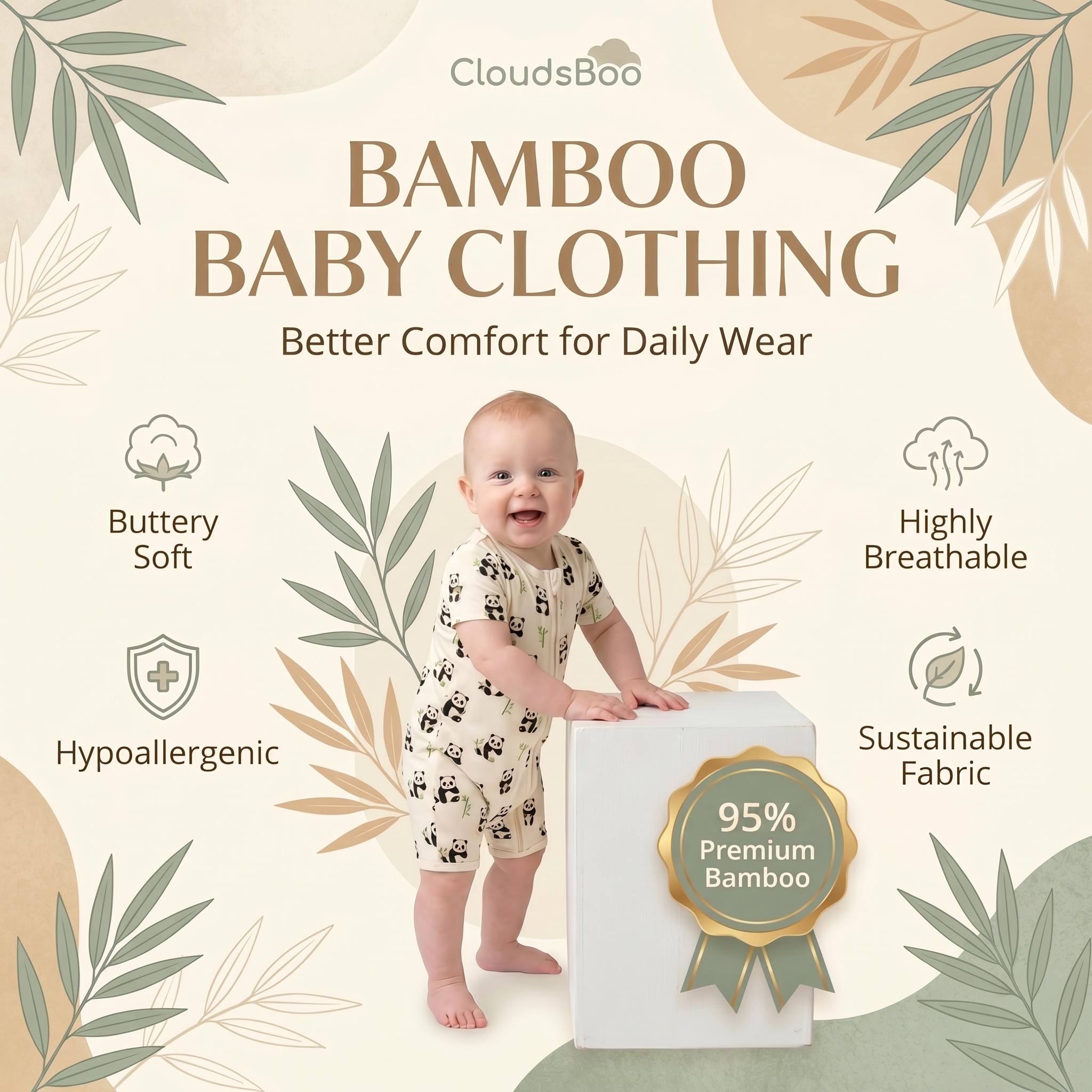
In the small, exacting rituals of early parenthood, the question of what to dress a baby in becomes unexpectedly weighty. Beyond cute prints and tiny fastenings, fabric choice shapes comfort, ease, and — quietly — the rhythm of everyday life. Bamboo baby clothing has emerged as a popular option, promising a blend of softness and practicality that feels well-suited to the unpredictable demands of daily wear.
Made from viscose derived from bamboo pulp, these garments are often praised for a silk-like hand, breathable structure, and moisture-wicking properties that can help keep restless sleepers and curious toddlers comfortable through naps, play, and outings. Many parents also point to bamboo’s naturally smooth fibers and mild anti-odor tendencies as thoughtful features for sensitive skin. At the same time, bamboo’s environmental story is more nuanced than the word “sustainable” alone; how the raw plant is grown and processed influences the true footprint of the final fabric.
This article explores what makes bamboo baby clothing different, where its real advantages lie, and what parents should consider when choosing pieces for everyday use — from comfort and care to safety and sourcing. The goal is a clear-eyed look at whether bamboo can be a reliable, comfortable staple in a baby’s daily wardrobe.
Table of Contents
- Why Bamboo Fiber Feels Better: The Science of Softness, Breathability, and Moisture Control
- Choosing the Right Bamboo Garments: Fit, Weave, and Bamboo Blend Recommendations for Daily Comfort
- Practical Care and Washing Tips to Preserve Softness, Shape, and Longevity
- Safety and Chemical Concerns: What Certifications and Labels to Trust for Baby-Safe Bamboo
- Everyday Styles and Layering Strategies: Comfortable Outfit Ideas for All Seasons
- Q&A
- In Retrospect
Why Bamboo Fiber Feels Better: The Science of Softness, Breathability, and Moisture Control
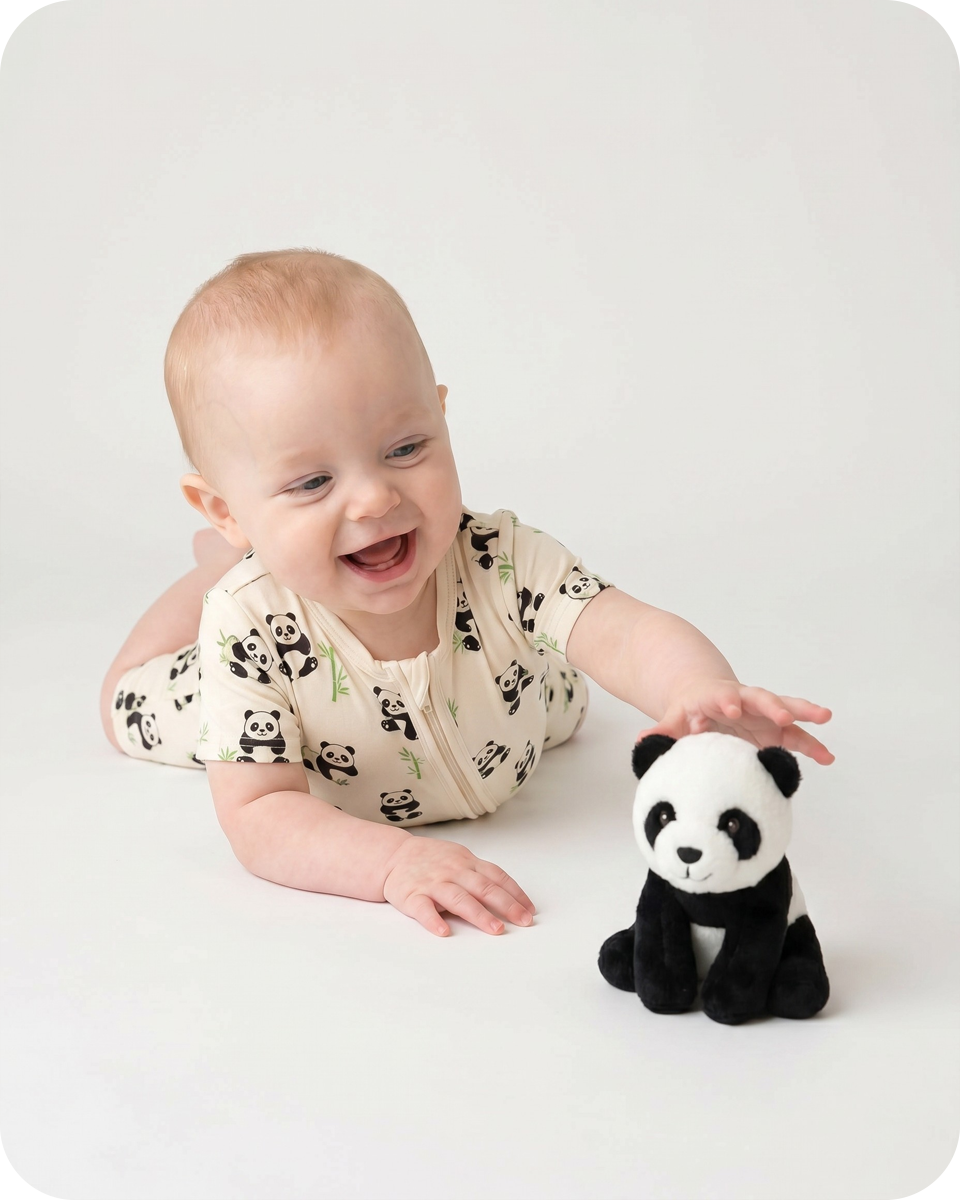
Bamboo-based fabrics feel uniquely gentle because of their fine, rounded fibers and silky surface that glides against delicate skin. The microscopic structure creates a soft hand without bulk—fibers bend easily and reduce friction, producing an ultra-soft, cloud-like touch that stays comfortable through movement and washing. This same structure also helps the fabric feel cool to the touch, giving a naturally plush yet lightweight sensation ideal for little ones who need freedom to wiggle and nap alike.
The material’s internal channels and capillary action move moisture away from the skin, promoting airflow and fast evaporation so garments stay drier longer. Combined with natural odor-resistant tendencies, this leads to a calmer microclimate around the body—less clamminess and fewer temperature spikes. Practical benefits include:
- Less overheating: improved air circulation helps regulate temperature.
- Quicker drying: moisture wicks away and evaporates rapidly.
- Gentle on skin: minimal friction reduces irritation for sensitive babies.
| Property | Bamboo | Cotton |
|---|---|---|
| Softness | Silky, low-friction | Soft, slightly textured |
| Breathability | High—excellent airflow | Good—depends on weave |
| Moisture Control | Wicks and dries quickly | Absorbs well, dries slower |
Choosing the Right Bamboo Garments: Fit, Weave, and Bamboo Blend Recommendations for Daily Comfort
Think of baby clothes as a tiny wardrobe engineered for motion and naps: the ideal cut gives room to wiggle without swallowing the child. Look for garments with a slightly generous torso and shorter cuff lengths that grow with movement, plus flatlock seams and tagless labels to prevent irritation. The fabric construction matters as much as the shape — lightweight jersey knits breathe and drape beautifully for daytime play, ribbed or interlock weaves hold their shape for layering, and terry-lined pieces add gentle insulation for cooler naps.
When deciding on fiber mixes, balance softness with practicality. Pure bamboo viscose shines for next-to-skin softness, but pairing bamboo with small percentages of stretch or natural fibers adds resilience and recovery. Below is a quick guide to popular blends to match everyday needs:
| Blend | Feel | Best Use |
|---|---|---|
| 100% Bamboo | Sumptuously soft, silky | Sleepwear & sensitive skin |
| 95% Bamboo / 5% Spandex | Soft with gentle stretch | Onesies & active basics |
| 70% Bamboo / 30% Cotton | Soft yet sturdy | Everyday wear & frequent washing |
- Tip: Choose a blend with a touch of elastane for snug fits that move with the baby.
- Care hint: Wash on gentle cycles and skip high heat to preserve softness and fit.
Practical Care and Washing Tips to Preserve Softness, Shape, and Longevity
Think of bamboo baby pieces as little cloud-like investments: treat them gently, and they reward you with lasting softness. Wash on a gentle or delicate cycle with cold water, using a mild, fragrance-free detergent; skip bleach and conventional fabric softeners, which can strip natural fibers and reduce absorbency. When possible, turn garments inside out, fasten snaps, and wash tiny items in a mesh bag to prevent stretching and friction. After washing, reshape while damp—especially collars and cuffs—to maintain the original fit.
Air-drying is the safest route, but when time is tight, a short, low-heat tumble will do; remove items promptly and finish shaping by hand. Store bamboo garments folded rather than hung to avoid shoulder bumps and distortion. Use this quick-care table as a cheat sheet for laundry day:
| Step | Why it helps |
|---|---|
| Cold, gentle wash | Preserves fibers and color |
| Mild detergent | Maintains natural softness |
| Low tumble or air-dry | Prevents shrinkage and wear |
- Do treat stains promptly with gentle, enzyme-free stain removers.
- Don’t use hot water or harsh chemicals—these break down bamboo fibers.
- Do fold and store in a cool, dry place; avoid plastic bags that trap moisture.
Safety and Chemical Concerns: What Certifications and Labels to Trust for Baby-Safe Bamboo
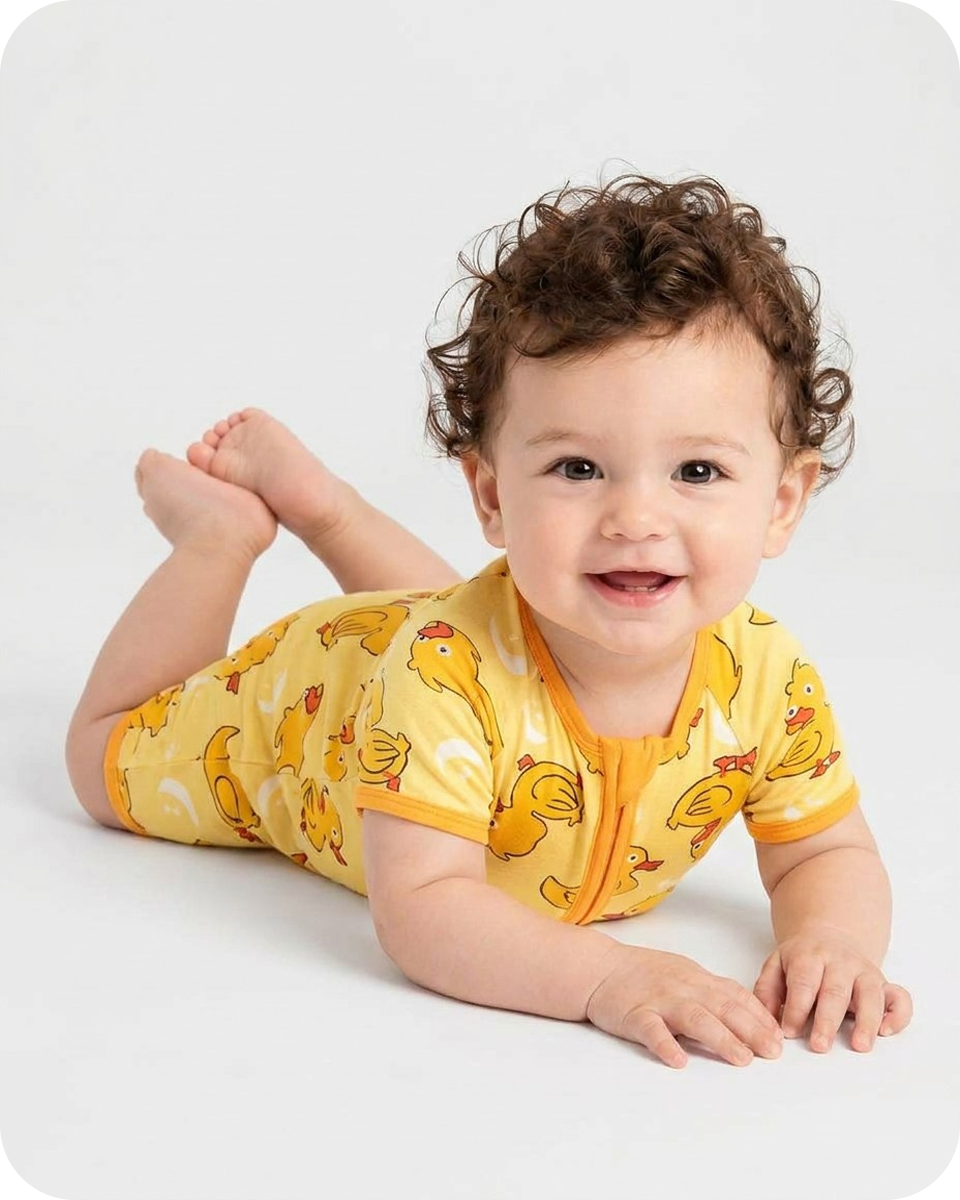
The soft, breathable feel of bamboo fabrics can suggest a natural purity, but the reality often hides behind chemistry. Fibers labeled as “bamboo” are frequently mechanically indistinguishable from conventional viscose, so the safest bets are the ones backed by third-party verification rather than marketing copy. Prioritize garments that show clear provenance and chemical safety testing—these tell you whether the fabric was processed with gentle solvents and free of harmful residues.
Look for trusted marks and learn what each protects:
- OEKO‑TEX Standard 100 — certifies textiles free from a long list of harmful substances, ideal for direct-skin baby wear.
- GOTS (Global Organic Textile Standard) — covers organic cultivation plus strict limits on processing chemicals and wastewater treatment.
- FSC (Forest Stewardship Council) — assures responsible sourcing when bamboo is the raw material.
- REACH / CPSIA compliance — regional chemical safety standards that indicate legal limits for heavy metals, formaldehyde, and restricted dyes.
Also check for transparent supply-chain claims or downloadable lab reports—those details separate genuine low‑impact products from greenwashing.
| Certification | Focus | Why does it matter for baby clothes |
|---|---|---|
| OEKO‑TEX 100 | Harmful substance testing | Reduces risk of skin irritation and chemical exposure |
| GOTS | Organic fiber + processing | Ensures fewer toxic inputs across production |
| FSC | Responsible sourcing | Confirms sustainable bamboo cultivation |
Everyday Styles and Layering Strategies: Comfortable Outfit Ideas for All Seasons
Bamboo fabric makes layering simple: as a breathable, thermoregulating, and incredibly soft base, it adapts to swings in temperature without adding bulk. Start with a bamboo bodysuit or romper next to the skin, then add a light knit or organic cotton cardigan for temperate days. For colder weather, pair with a bamboo-blend onesie and a fleece-lined sleepsuit as the outermost layer—this keeps the baby cozy while still allowing moisture to wick away. Small details like fold-over cuffs and stretchy necklines help with quick changes and keep comfort uninterrupted.
Try mixing practical pieces for easy, go-anywhere looks. Consider these simple combos:
- Mild days: bamboo tee + lightweight cardigan + breathable cotton leggings
- Cool mornings: long-sleeve bamboo bodysuit + soft vest + beanie
- Cold nights: bamboo base layer + insulated romper + sleep sack
- Indoor comfort: bamboo playsuit + barefoot or soft socks
These small ensembles let you adjust layers quickly while keeping fabrics against baby’s skin gentle and irritation-free.
| Season | Key Layer | Quick Pick |
|---|---|---|
| Spring | Light mid-layer | Bamboo cardigan |
| Summer | Thin base | Bamboo romper |
| Autumn | Transitional outer | Cotton-sleeved hoodie |
| Winter | Insulating outer | Fleece-lined bunting |
Q&A
Q: What is bamboo baby clothing?
A: Bamboo baby clothing is made from fibers derived from the bamboo plant. Most commonly, the raw bamboo is chemically processed into bamboo viscose (sometimes called rayon or modal), which is then spun into yarn and knitted or woven into garments for infants and toddlers.
Q: Why do parents choose bamboo for daily baby wear?
A: Parents often choose bamboo for its standout softness, breathable structure, and moisture-wicking ability. The fabric can feel very gentle against delicate skin and helps regulate temperature and manage perspiration, making it a good choice for everyday rompers, onesies, and sleep layers.
Q: Is bamboo fabric really softer than cotton?
A: Bamboo viscose is typically noted for a very smooth, silky hand, often perceived as softer than conventional cotton. The difference comes from the fiber’s smooth surface and how it’s processed—many parents report it feels especially comfortable against sensitive baby skin.
Q: How does bamboo perform in breathability and moisture control?
A: Bamboo fabrics are breathable and have good moisture-wicking properties. They can draw dampness away from the skin and allow air to circulate, which helps keep babies cooler in warm weather and comfortable during active play.
Q: Are bamboo clothes hypoallergenic and safe for sensitive skin?
A: Bamboo fibers are naturally smooth and less likely to irritate, which can be helpful for sensitive skin. However, “hypoallergenic” isn’t a guarantee—reactions are individual and can be caused by dyes, finishes, or chemical residues from processing. Look for certified low-impact or chemical-free labels if skin sensitivity is a concern.
Q: What about antibacterial claims often linked to bamboo?
A: Raw bamboo contains an antimicrobial compound called “bamboo kun,” but this is largely removed during the chemical processing that makes most bamboo viscose fabrics. Some studies show mild antibacterial performance in finished fabrics, but it shouldn’t replace basic hygiene practices or be relied upon as medical protection.
Q: Is bamboo clothing environmentally friendly?
A: Bamboo as a crop has environmental advantages — it grows quickly, needs little or no irrigation, and can be cultivated without heavy pesticide use. However, sustainability depends strongly on processing: conventional viscose production can involve harsh chemicals and waste unless a closed-loop or low-impact process is used. Check for transparent supply chains and credible certifications (for example, Oeko‑Tex or other independent standards) to assess environmental credentials.
Q: How durable is bamboo clothing compared with cotton?
A: When cared for properly, bamboo apparel can be durable and hold up similarly to cotton. However, it can be more sensitive to high heat and harsh detergents. Avoiding hot water and high-temperature drying will help maintain fabric strength and softness over time.
Q: How should I care for bamboo baby clothes?
A: Wash bamboo garments on a gentle cycle with mild detergent, preferably in cold or lukewarm water. Avoid bleach and fabric softeners (they can reduce absorbency). Tumble dry low or air dry to prevent shrinkage and preserve fiber integrity. Always follow the manufacturer’s care label.
Q: Are there safety or regulatory issues to consider with bamboo baby clothing?
A: Basic safety considerations are the same as for any baby clothing: check seams and attachments for security, avoid loose buttons or decorations that could be a choking hazard, and follow local flammability regulations for infant sleepwear. Choose reputable brands that meet regional safety standards.
Q: How does bamboo compare to organic cotton for everyday baby wear?
A: Bamboo often wins on softness, moisture control, and temperature regulation, while organic cotton is praised for its proven low-impact farming practices and well-established certifications. Both can be excellent choices; the best pick depends on priorities such as texture, environmental credentials, and budget.
Q: Is bamboo clothing more expensive?
A: Bamboo garments tend to sit in the mid-to-premium price range. Cost depends on brand, processing method, and certifications. Mechanically processed bamboo (more eco-friendly) and certified low-impact manufacturing usually command higher prices.
Q: What should I look for when buying bamboo baby clothes?
A: Look for clear labeling about fiber content and processing (e.g., “bamboo viscose” vs. “bamboo lyocell”), third-party certifications for low chemical residues (like Oeko‑Tex Standard 100), and brands that disclose manufacturing practices. Check size charts and construction quality, and choose simple designs without unnecessary trims if you’re concerned about skin sensitivity.
Q: Any tips for layering bamboo clothing for daily comfort?
A: Use bamboo pieces as a breathable next-to-skin layer and add cotton or fleece outer layers depending on temperature. Because bamboo manages moisture well, it’s a good base layer in both warm and cool weather; just keep an eye on room temperature and add or remove layers to maintain comfort.
In Retrospect
Soft, breathable, and quietly clever—bamboo baby clothing has earned its place in the everyday wardrobe by balancing comfort, practicality, and a gentler touch on delicate skin. Whether you’re dressing a newborn for a nap or layering for a busy day of play, the fabric’s natural softness and temperature-regulating properties make it a reliable option for daily wear without demanding theatrical care.
Choosing bamboo pieces doesn’t have to be a leap of faith: look for trustworthy labels, simple care instructions, and honest descriptions of fiber content. Small decisions—like swapping a scratchy cotton onesie for a bamboo blend or keeping a few bamboo basics in the diaper bag—can add up to calmer mornings and fewer mid-day outfit changes.
At the end of the day, comfort is about more than fabric; it’s about the moments those clothes help create. Thoughtful choices in baby clothing can make daily routines smoother, so you and your little one can spend less time fussing and more time discovering the world together.