
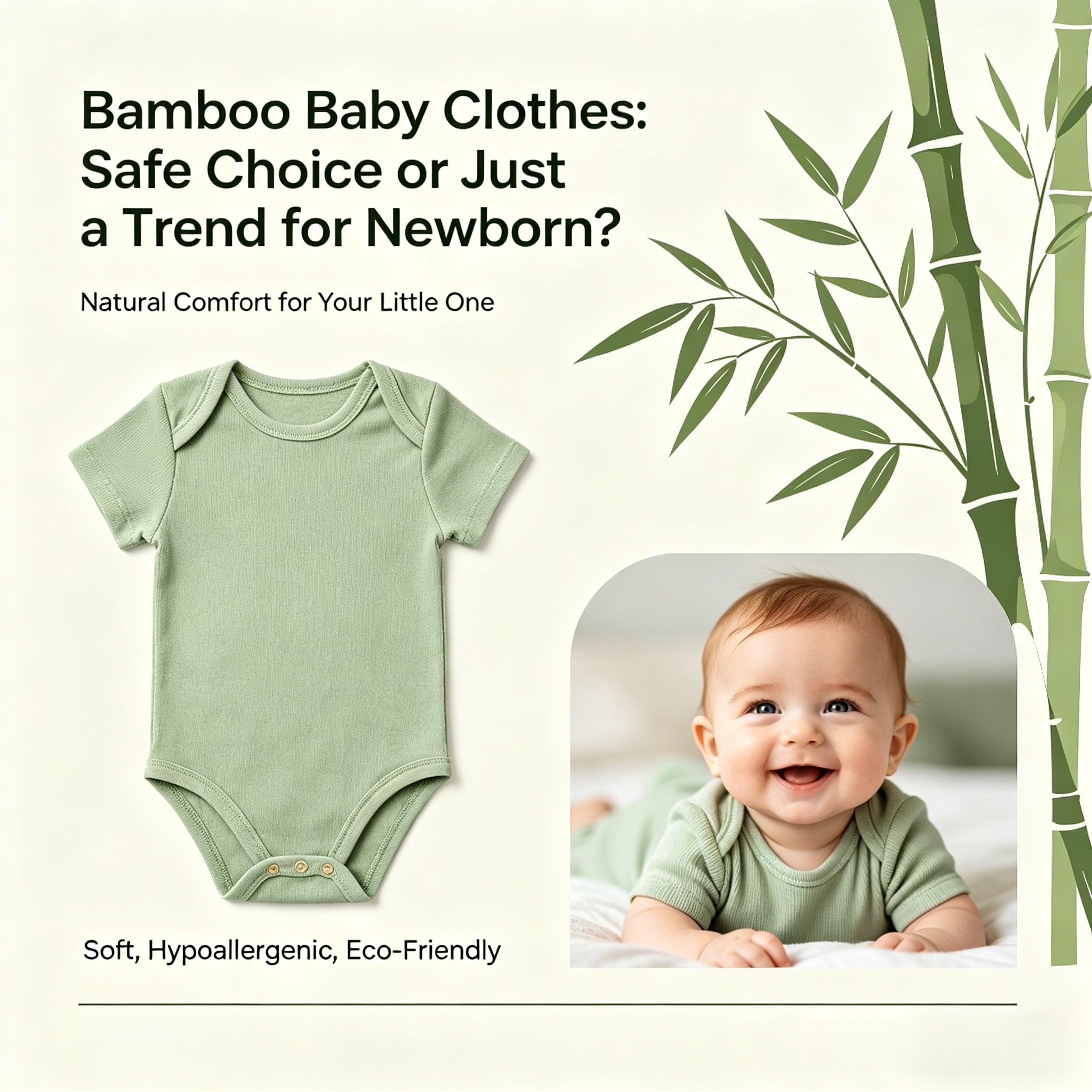
In the ever-evolving world of parenting, new trends bloom as rapidly as a spring garden—each promising the best for our little ones. Among these budding innovations, bamboo baby clothes have emerged as a popular choice, hailed for their softness and eco-friendly appeal. But beyond the buzz, are bamboo fabrics truly a haven for delicate newborn skin, or merely the latest fad capturing the hearts of trend-savvy parents? This article delves into the story woven in bamboo fibers, separating fact from fashion to help you decide if this natural material is right for your baby’s wardrobe.
Table of Contents
- Bamboo Fabric Benefits for Newborn Skin Sensitivity
- Environmental Impact of Choosing Bamboo Baby Clothes
- Durability and Comfort Compared to Traditional Materials
- Safety Standards and Chemical Treatments Explained
- Expert Tips for Selecting the Best Bamboo Baby Garments
- Q&A
- Future Outlook
Bamboo Fabric Benefits for Newborn Skin Sensitivity
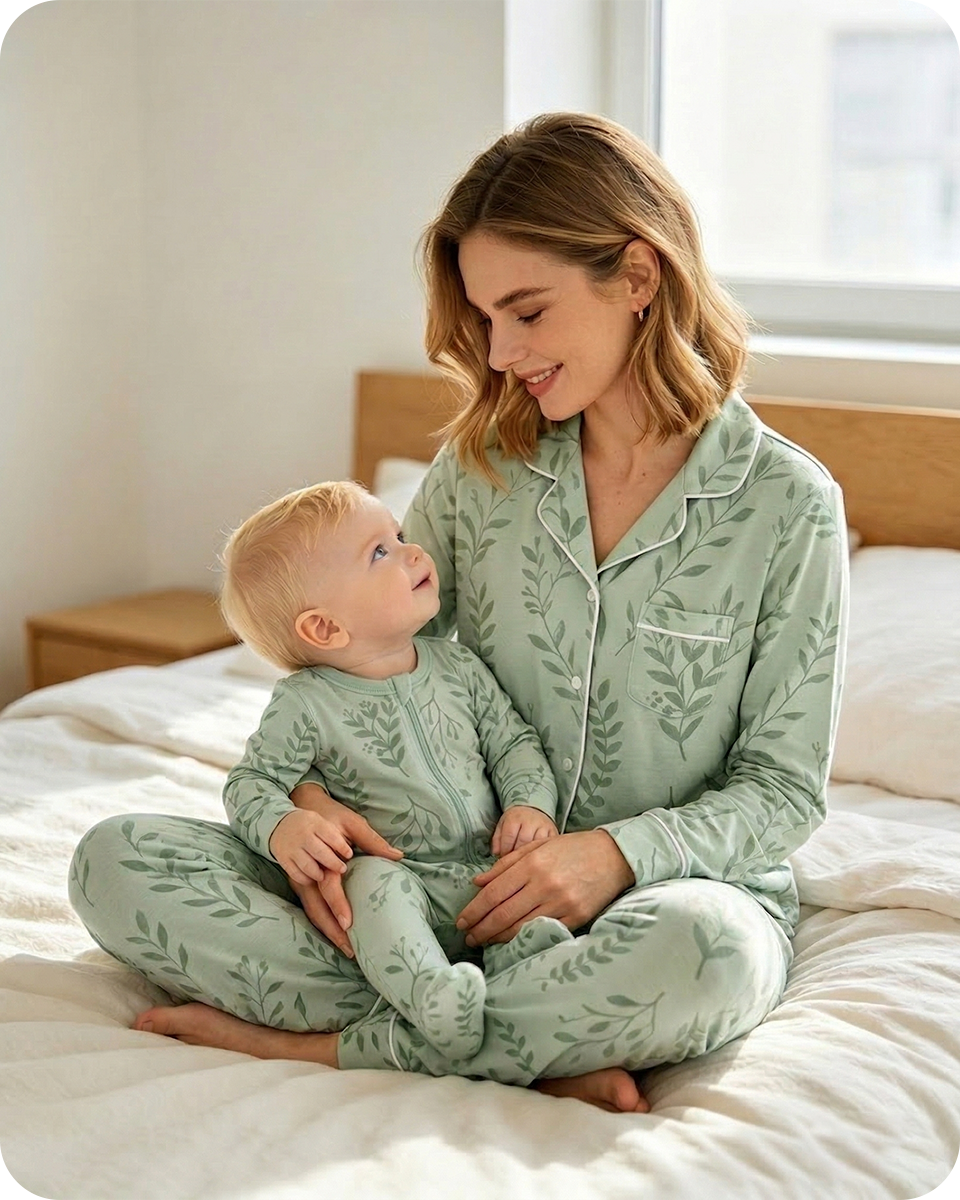
Bamboo fabric stands out as an ideal material for the delicate skin of newborns, thanks to its remarkable natural properties. Unlike synthetic fibers, bamboo is inherently soft and hypoallergenic, reducing the risk of irritation and rashes that sensitive skin often develops. The fabric’s fine, smooth texture feels gentle against the skin, mimicking the comfort of natural cotton but with enhanced softness.
Moreover, bamboo’s natural breathability and moisture-wicking capabilities create a microclimate that helps regulate the baby’s body temperature. This means less overheating and a reduced chance of skin discomfort or excessive sweating, which are common triggers for eczema flare-ups and irritations in infants.
- Anti-bacterial and antifungal: naturally inhibits the growth of bacteria that cause odors and infections.
- UV protection: shields delicate skin from harmful sun rays during outdoor activities.
- Sustainably grown: an eco-friendly option for conscientious parents.
| Feature | Benefit for Newborn Skin |
|---|---|
| Hypoallergenic fibers | Minimizes irritation and allergic reactions |
| Thermal regulation | Keeps skin dry and comfortable |
| Eco-friendly cultivation | Supports sustainable, toxin-free production |
Environmental Impact of Choosing Bamboo Baby Clothes
Furthermore, bamboo fabric is biodegradable, ensuring that once these clothes reach the end of their lifecycle, they break down naturally without contributing to landfill waste. When compared side-by-side, bamboo’s environmental advantages stand out clearly:
- Water Usage: Bamboo requires up to 80% less water than cotton.
- Pesticide-Free: Grown naturally without harmful chemicals.
- Rapid Growth: Bamboo can mature in just 3-5 years, compared to 20+ years for hardwood trees.
| Factor | Bamboo | Cotton |
|---|---|---|
| Water Consumption | Less | High |
| Pesticides Used | None | High |
| Growth Time | 3-5 years | Several months |
| Biodegradability | Yes | Yes |
Durability and Comfort Compared to Traditional Materials
When it comes to dressing newborns, parents often worry about both longevity and softness. Bamboo fabric stands out by offering a remarkable balance between durability and comfort compared to traditional cotton or synthetic materials. Its natural structure lends itself to a gentle yet resilient texture, allowing baby clothes to withstand multiple washes without losing their pliability or shape.
Unlike conventional materials that may stiffen or fade over time, bamboo fibers maintain their smoothness, creating a breathable layer that adapts well to sensitive infant skin. Additionally, bamboo’s moisture-wicking properties keep babies dry and comfortable, reducing irritation and fussiness caused by damp clothing. This combination of strength and softness makes bamboo garments a smart investment for long-term wear.
- Enhanced durability: Resists wear and tear better than many cotton blends
- Natural softness: Feels delicate to the touch, ideal for newborn skin
- Temperature regulation: Keeps infants warm in winter and cool in summer
| Characteristic | Bamboo Fabric | Traditional Cotton |
|---|---|---|
| Softness Over Time | Improves with each wash | May degrade or stiffen |
| Durability | High resistance to tearing | Moderate; prone to wear |
| Breathability | Excellent moisture-wicking | Good, but less effective |
Safety Standards and Chemical Treatments Explained
When it comes to baby clothes made from bamboo, understanding the safety landscape is crucial. Bamboo fabric itself is naturally breathable, antimicrobial, and gentle on sensitive skin, but the journey from bamboo plant to soft baby garment can involve various chemical processes that impact its safety. Manufacturers often use chemical solvents or mechanical methods to transform bamboo into fabric. The more eco-friendly and skin-safe option is the mechanical (or lyocell) process, which avoids harsh chemicals and retains most of bamboo’s natural benefits.
However, not all bamboo baby clothes are created equal. Certain chemical treatments, such as those used for dyeing or enhancing softness, can introduce allergens or irritants. Parents should look for certifications and labels that guarantee non-toxicity, such as:
- OEKO-TEX® Standard 100: Ensures textiles are free from harmful substances.
- GOTS (Global Organic Textile Standard): Verifies organic fiber content and eco-friendly processing.
- Bluesign® System: Focus on sustainable and safe chemical use.
| Treatment Type | Impact on Safety | Common Certifications |
|---|---|---|
| Mechanical Processing | Low chemical residue; skin-friendly | GOTS, OEKO-TEX |
| Chemical Solvent Processing | Higher potential for toxins; requires proper certification | OEKO-TEX, Bluesign |
| Dyeing & Finishing | Possible irritants: eco-friendly dyes preferred | GOTS, OEKO-TEX |
Ultimately, the key to ensuring safety lies in transparency. Trustworthy brands openly disclose their manufacturing processes and provide third-party lab reports. For parents prioritizing safety over trends, selecting bamboo baby clothes that meet strict chemical safety standards ensures your newborn enjoys the comfort and health benefits bamboo promises—without compromise.
Expert Tips for Selecting the Best Bamboo Baby Garments
When choosing bamboo garments for your little one, the feel of the fabric should be your first checkpoint. Opt for 100% organic bamboo fabric rather than blends to ensure softness and maximum breathability, which is essential for delicate newborn skin. Additionally, check if the garment is made using chemical-free processing to avoid exposing your baby to harmful residues.
Functionality is just as important as comfort. Look for designs with easy snaps, stretchy necklines, and tagless labels that streamline diaper changes and reduce irritation. It’s also wise to consider the weight of the fabric—lighter weaves keep babies cool in summer, while mid-weight options can provide gentle warmth during cooler months.
- Verify certifications like GOTS or OEKO-TEX for authenticity.
- Choose neutral or pastel colors that are less likely to contain harmful dyes.
- Prioritize durability — bamboo fibers should retain their softness even after multiple washes.
| Feature | Why It Matters | What to Look For |
|---|---|---|
| Fabric Purity | Ensures gentleness on sensitive skin | 100% organic bamboo, chemical-free |
| Ease of Use | Facilitates quick dressing and diaper changes | Snaps, stretchy necklines, tagless |
| Certifications | Guarantees safety and eco-friendliness | GOTS, OEKO-TEX |
Q&A
Q&A: Bamboo Baby Clothes – Safe Choice or Just a Trend for Newborns?
Q1: What makes bamboo fabric popular for baby clothes?
A1: Bamboo fabric is celebrated for its softness, breathability, and natural antibacterial properties. Parents often choose it, hoping to provide their newborns with gentle, hypoallergenic clothing that feels comfortable against delicate skin.
Q2: Are bamboo baby clothes truly safer than cotton or synthetic fabrics?
A2: Bamboo fabric has some inherent qualities, such as being naturally antimicrobial and moisture-wicking, which can reduce irritation. However, safety also depends on how the bamboo is processed and finished. Some manufacturing techniques involve chemicals that may affect the purity of the fabric, so it’s important to buy from reputable brands that use eco-friendly, toxin-free processes.
Q3: How does bamboo fabric handle baby skin sensitivities?
A3: Many parents report that bamboo clothes cause fewer allergic reactions or rashes compared to traditional materials. Its hypoallergenic nature can be a gentle option for babies with sensitive or eczema-prone skin. Still, every infant is unique, so trial and observation remain key.
Q4: Is bamboo baby clothing environmentally friendly?
A4: Bamboo itself grows quickly with minimal water and pesticides, making it a renewable resource. Yet, environmental impact varies based on processing methods. Mechanically processed bamboo (like bamboo linen) is more eco-friendly, while chemically processed bamboo (viscose or rayon) can involve harmful solvents. Choosing garments labeled as organic or sustainably made ensures a lower environmental footprint.
Q5: Does bamboo fabric hold up well through washes and wear?
A5: Bamboo baby clothes tend to maintain softness over multiple washes and resist pilling better than some cotton blends. However, they may need gentle laundering to preserve fabric integrity and avoid shrinking. Following care labels carefully helps ensure longevity.
Q6: Are bamboo baby clothes more expensive?
A6: Typically, bamboo garments carry a premium price due to production costs and their “natural” appeal. While this investment may pay off in comfort and durability, some parents weigh the cost against other eco-friendly and affordable options like organic cotton.
Q7: In summary, is bamboo the best choice for newborn clothes?
A7: Bamboo baby clothes offer many advantages—including softness, breathability, and potential skin benefits—but are not a one-size-fits-all solution. They represent a thoughtful option that blends comfort and sustainability, but new parents should balance these benefits with price, care requirements, and personal preferences. In the end, bamboo may be less of a fleeting trend and more of a promising alternative worth considering on a case-by-case basis.
Future Outlook
As the soft glow of bamboo fabric wraps around newborns, it invites parents to ponder more than just aesthetics or fleeting fads. Bamboo baby clothes sit at the intersection of comfort, sustainability, and safety—a blend that appeals to modern values and traditional concerns alike. Whether embraced as a mindful choice or simply the latest trend, these garments prompt us to reconsider what truly matters when dressing our little ones: gentle care, thoughtful materials, and a world where comfort meets conscience. In the end, the verdict on bamboo baby clothes may rest not in popularity, but in the quiet moments of trust and tenderness between parent, child, and fabric.