
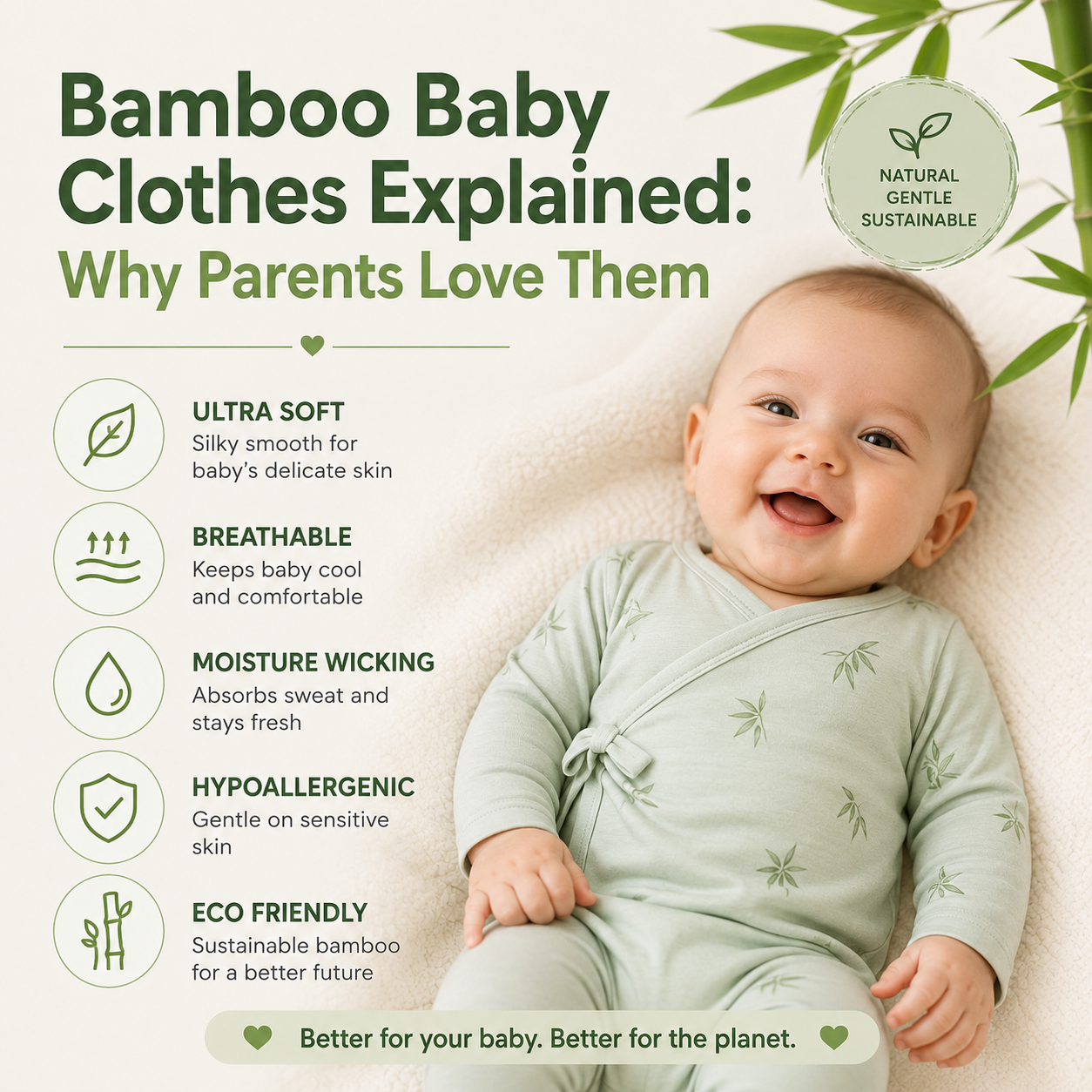
Like a whisper of green wrapped around a newborn, bamboo baby clothes have moved from niche aisles to nursery staples. They promise the kind of softness that invites touch, the breathability that calms restless skin, and an eco-friendly story that appeals to modern parents juggling comfort, health, and sustainability.
But what exactly are “bamboo” garments? Behind the gentle feel are manufacturing choices, fiber blends, and certifications that shape performance and impact. Parents often cite softness, temperature regulation, and hypoallergenic qualities as reasons they reach for bamboo; others are drawn by its lower water needs and rapid regrowth compared with conventional crops. At the same time, questions about chemical processing, durability, and true environmental benefits complicate the picture.
This article unpacks those claims—explaining how bamboo fabric is made, why it behaves differently from cotton or synthetics, and which features matter most for baby clothing. Whether you’re evaluating sleepers, swaddles, or onesies, you’ll get the practical facts and balanced context to decide if bamboo belongs in your nursery.
Table of Contents
- The Soft Science Behind Bamboo Fabric and How It Is Made
- Gentle by Design: How Bamboo Benefits Sensitive Baby Skin
- Practical Care and Longevity Tips for Bamboo Baby Clothes
- Reading Labels and Certifications to Make Informed Eco Choices
- Choosing the Right Bamboo Baby Items for Comfort Fit and Budget
- Q&A
- The Way Forward
The Soft Science Behind Bamboo Fabric and How It Is Made
 Bamboo starts life as a fast-growing grass with a dense network of natural fibers; when transformed into cloth, those tiny fibers become the reason for the fabric’s signature feel. Through either a mechanical route — crushing and combing the raw stalks into a linen-like fiber — or a chemical route such as the viscose or closed-loop lyocell process, those cellulose strands are separated, spun into yarn, and knitted into the soft, drapey textiles parents adore. The chemical methods can yield an exceptionally fine, almost silk-like yarn, while mechanical processing keeps more of the plant’s natural texture and is often marketed as more eco-friendly. Closed-loop processes recover and reuse solvents, reducing emissions, whereas traditional viscose requires careful oversight to minimize chemical waste.
Beyond how it’s made, the performance of the finished fabric is what appeals to caregivers: naturally smooth microfibers create a gentle touch against newborn skin, and the structure of the fiber encourages breathability and moisture-wicking. That combination helps regulate temperature and reduce irritation. Practical advantages are quick care and durability, but it’s the hypoallergenic and naturally odour-resistant qualities that often seal the deal for busy parents. Key features at a glance:
- Softness: silky hand-feel due to fine microfibrils
- Temperature regulation: breathable in summer, insulating in cooler rooms
- Moisture management: wicks sweat away from delicate skin
- Eco considerations: varies by production method; look for certified closed-loop or mechanically processed labels
| Process | Environmental Note | Typical Hand |
|---|---|---|
| Mechanical (Bamboo Linen) | Low chemicals, labor-intensive | Textured, natural |
| Viscose | Requires solvent control | Very soft, fluid |
| Lyocell (Closed-loop) | High recovery, lower impact | Silky, durable |
Gentle by Design: How Bamboo Benefits Sensitive Baby Skin
Think of bamboo fabric as a second skin for the littlest ones: invisibly soft with a smooth surface that reduces rubbing and friction on delicate cheeks and folds. When produced responsibly (look for OEKO‑TEX or similar certifications), bamboo textiles combine natural fibers with gentle finishing, meaning fewer residual chemicals and dyes that can aggravate eczema or newborn rashes. Its natural structure also helps regulate temperature, so babies stay comfortable whether they’re swaddled indoors or napping on a warm afternoon.
Beyond touch, bamboo performs in ways that matter for sensitive skin: it breathes, pulls moisture away, and carries mild antimicrobial properties that limit the growth of odor-causing microbes. Families often notice fewer outfit changes and less irritation after switching to bamboo, because the fabric keeps skin drier and softer over repeated washes. These practical benefits make bamboo a smart choice for everyday basics—from onesies to sleep sacks.
- Softness: Silky, low-friction surface that reduces chafing.
- Hypoallergenic: Less likely to trigger reactions when certified.
- Moisture‑wicking: Draws sweat away to keep skin dry.
- Breathability: Allows air flow to prevent overheating.
| Attribute | Bamboo | Conventional Cotton |
|---|---|---|
| Softness | Very high | High |
| Breathability | Excellent | Good |
| Moisture control | Superior | Moderate |
| Skin-friendly finish | Natural / certified | Often treated |
Practical Care and Longevity Tips for Bamboo Baby Clothes
Soft, breathable bamboo fabrics last longest when you treat them like the delicate treasures they are. Wash on a gentle cycle with cool or warm water, use a mild, fragrance-free detergent, and avoid bleach or harsh enzymes that break down fibers. Turn garments inside out to protect prints and snaps, and zip or fasten closures so they don’t snag other items—small actions that make a big difference after dozens of tiny outfits.
Follow a few simple rituals to stretch each piece’s life: air-dry when possible or tumble on low heat, skip fabric softeners (they coat bamboo’s natural breathability), and mend tiny holes early to prevent runs. Try these easy care cues:
- Spot-treat stains gently with cold water and a dab of detergent—no scrubbing.
- Rotate wardrobes to reduce wear on favorite pieces.
- Store folded in a cool, dry place rather than crammed hangers to avoid stretching.
| Action | Quick Tip |
|---|---|
| Washing | Cool/warm, gentle cycle |
| Drying | Air-dry or low tumble |
| Stains | Cold water spot treatment |
Reading Labels and Certifications to Make Informed Eco Choices
Small print on a tiny onesie can hold big clues — reading labels is the easiest way to turn a cute purchase into a confident, eco-aware choice. Start by checking the fiber content (is it listed as “bamboo,” “bamboo viscose/rayon,” or “lyocell/Modal?”), the country of manufacture, and any care symbols that hint at chemical finishes. Pay special attention to phrasing: terms like “bamboo-derived rayon” mean the fabric began as bamboo but was chemically processed into a regenerated fiber. Look for brands that list both the raw material and the processing method, because truly sustainable claims should be transparent about both.
To decode stamps and seals faster, here’s a compact reference you can scan for while shopping:
| Label | What it signals |
|---|---|
| OEKO-TEX Standard 100 | Tested free of harmful substances at the finished-product level |
| GOTS | Organic fiber + social and environmental processing standards |
| FSC / PEFC | Sustainable forest management for wood-based fibers |
| Bluesign | Factory-level controls for chemicals, water, and worker safety |
| Lenzing / Tencel | Branded wood-based celluloses are often made in closed-loop systems |
- Tip: prioritize products that pair a recognized certification with clear fiber wording — that combo beats vague buzzwords every time.
- Ask questions: if a label boasts “eco” but gives no certificate or processing detail, treat it as marketing, not proof.
Choosing the Right Bamboo Baby Items for Comfort Fit and Budget

Bamboo blends are forgiving in fit and generous in stretch, so prioritize pieces that balance snugness around the neck and wrists with gentle elasticity across the body. Look for flat seams, tagless labels, and a soft waistband—these small details make a big difference for all-day wear. When checking sizes, remember that bamboo drapes differently than cotton: a slightly smaller size will often feel more fitted without restricting movement, while garments with gussets or kimono-style openings simplify dressing and reduce friction on delicate skin.
Smart shoppers can pair comfort with thrift by selecting a few versatile staples and avoiding single-use specialty items. Consider these quick-buy criteria to get the most value:
- Multi-season pieces (onesies and leggings that layer well)
- Neutral palettes that mix-and-match
- Reinforced knees and cuffs for longer wear
| Item | Typical Price | Best For |
|---|---|---|
| Basic Onesie | $10–$18 | Everyday comfort |
| Legging Pair | $12–$20 | Layering & play |
| Sleep Sack | $20–$35 | Safe, cozy naps |
Choose a couple of investment pieces for frequent use and fill gaps with budget-friendly basics—this approach keeps the nursery comfy and the wallet happy.
Q&A
Bamboo Baby Clothes Explained: Why Parents Love Them — Q&A
Q: What exactly is “bamboo” fabric used in baby clothes?
A: “Bamboo” on a label can mean different things. It usually refers to fabric made from bamboo plant pulp that’s been chemically processed into viscose/rayon, or less commonly into lyocell using a closed-loop process. Some items are blends (bamboo + cotton or spandex). Always check the fiber content on the tag to know what you’re getting.
Q: How is bamboo fabric made?
A: For bamboo viscose/rayon, the plant is pulped and dissolved in chemicals, then extruded into fibers. Lyocell from bamboo (rarer) uses a cleaner, closed-loop solvent process that recycles most chemicals. The growing phase is generally low-impact, but the manufacturing step determines the environmental footprint.
Q: Why do parents say bamboo feels so soft?
A: Bamboo-derived fabrics have a very smooth, fine fiber structure and drape well, producing a silky, plush hand that many parents describe as “cloud-like” — especially nice against delicate baby skin.
Q: Are bamboo baby clothes safe for newborns?
A: Yes, when made and finished properly. Bamboo fabrics are commonly well tolerated — but check for certifications (OEKO-TEX Standard 100 is a good sign) and test a small spot of skin if your baby is especially sensitive. Also, follow the recommended washing before first wear.
Q: Is bamboo hypoallergenic?
A: Bamboo fabric is often marketed as hypoallergenic because it’s soft and low-irritant, and many babies with sensitive skin do fine. However, the term “hypoallergenic” isn’t regulated; sensitivities depend on the individual and on finishing chemicals used, so certifications and gentle laundering matter.
Q: How breathable and temperature-regulating is bamboo?
A: Bamboo fabrics can be highly breathable and have good moisture-wicking properties, helping babies stay comfortable in warm and cool weather. They tend to feel cool to the touch and manage perspiration better than some synthetics.
Q: Do bamboo clothes resist odors and bacteria?
A: Bamboo plants contain natural compounds that resist microbes, but most of those are lost in chemical processing. Processed bamboo fabrics may show better odor control than polyester due to breathability and moisture management, but they’re not inherently antimicrobial unless specially treated.
Q: How durable are bamboo baby clothes?
A: Durability varies by fiber type and construction. Bamboo viscose can be softer but may pill or lose some shape over time; bamboo lyocell and good blends tend to hold up better. Proper care (gentle wash, low heat drying) extends lifespan.
Q: How should I wash and care for bamboo baby clothes?
A: Wash on a gentle cycle with mild detergent, cold or warm water. Avoid bleach and heavy fabric softeners (they can reduce absorbency). Tumble dry low or hang to dry; high heat can shrink or weaken fibers. Wash inside out for prints and trim to prevent pilling.
Q: Are bamboo baby clothes environmentally friendly?
A: It’s a mixed picture. Bamboo grows quickly with little water and few pesticides, which is a positive. But conventional viscose/rayon manufacturing can use harsh chemicals and produce pollution. Look for closed-loop processes, responsible sourcing, and third-party certifications to support better environmental practices.
Q: What certifications or labels should I look for?
A: Useful labels include OEKO-TEX Standard 100 (limits harmful chemicals), certifications showing responsible forestry or raw-material sourcing (e.g., FSC in some cases), and manufacturer transparency about a closed-loop process (e.g., “lyocell” or specific eco-friendly brands/process names). No single label guarantees everything, so combine labels with brand transparency.
Q: Are bamboo clothes worth the extra cost?
A: That depends on priorities. If you value exceptional softness, breathability, and a generally gentle-feeling fabric, many parents find them worth paying a bit more for. If budget and durability are top concerns, good-quality cotton or blends may be preferable.
Q: Do bamboo clothes stretch or pill?
A: Bamboo fabrics have a nice drape and some natural give, but they are not highly elastic unless blended with elastane. Some bamboo viscose garments can pill over time, especially in high-friction areas; look for tighter weaves and quality finishes to reduce pilling.
Q: Can bamboo be used year-round?
A: Yes. Because bamboo fabrics are breathable and thermoregulating, thin bamboo knits work well in summer, and midweights layer nicely for cooler months. Choose garment weight and layering appropriate to your climate.
Q: Any downsides parents should know?
A: Potential downsides include variability in production practices (environmental concerns with some viscose processes), price, the risk of pilling, and occasional sizing or fit issues. Also, claims like “antibacterial” or “hypoallergenic” can be overused—read labels and reviews.
Q: How do I choose bamboo baby clothes for a newborn?
A: Prefer 100% bamboo lyocell or high-percentage bamboo viscose with OEKO-TEX certification if possible. Check seams, sizing, snaps/zippers for safety and convenience, and pick easy-care pieces. Buy a few key soft items (onesies, sleepsuits) to test how your baby reacts before investing heavily.
Q: Are bamboo baby clothes biodegradable or recyclable?
A: Pure, untreated bamboo viscose and lyocell are more biodegradable than many synthetics, but blended garments (with spandex or polyester) won’t compost cleanly. Recycling textile streams is limited; donating gently used pieces is often the most practical reuse option.
Q: Final quick takeaway?
A: Bamboo baby clothes offer exceptional softness, breathability, and comfort that many parents—and babies—love. Evaluate environmental and safety claims carefully, choose certified or transparent brands, follow gentle care guidelines, and balance cost with durability to decide if they’re the right choice for your family.
The Way Forward
Like the slender stalks in a quiet bamboo grove, the appeal of bamboo baby clothes is simple and quietly persuasive: softness, breathability, and a smaller environmental footprint are the features that have won many parents over. For many families discovering this category through CloudsBoo, these qualities come to life in everyday essentials designed for comfort, ease, and gentle care. At the same time, practical details—fiber blends, certifications, and care instructions—shape whether a particular garment truly matches a family’s priorities.
If you’re weighing options for your little one, consider what matters most to you and read labels with the same calm attention you’d give a newborn’s first blanket. Whether you end up loving bamboo for its feel, its eco-credentials, or both, CloudsBoo reflects one approach to this thoughtful category—where softness and intention meet in the quiet details of everyday wear.