
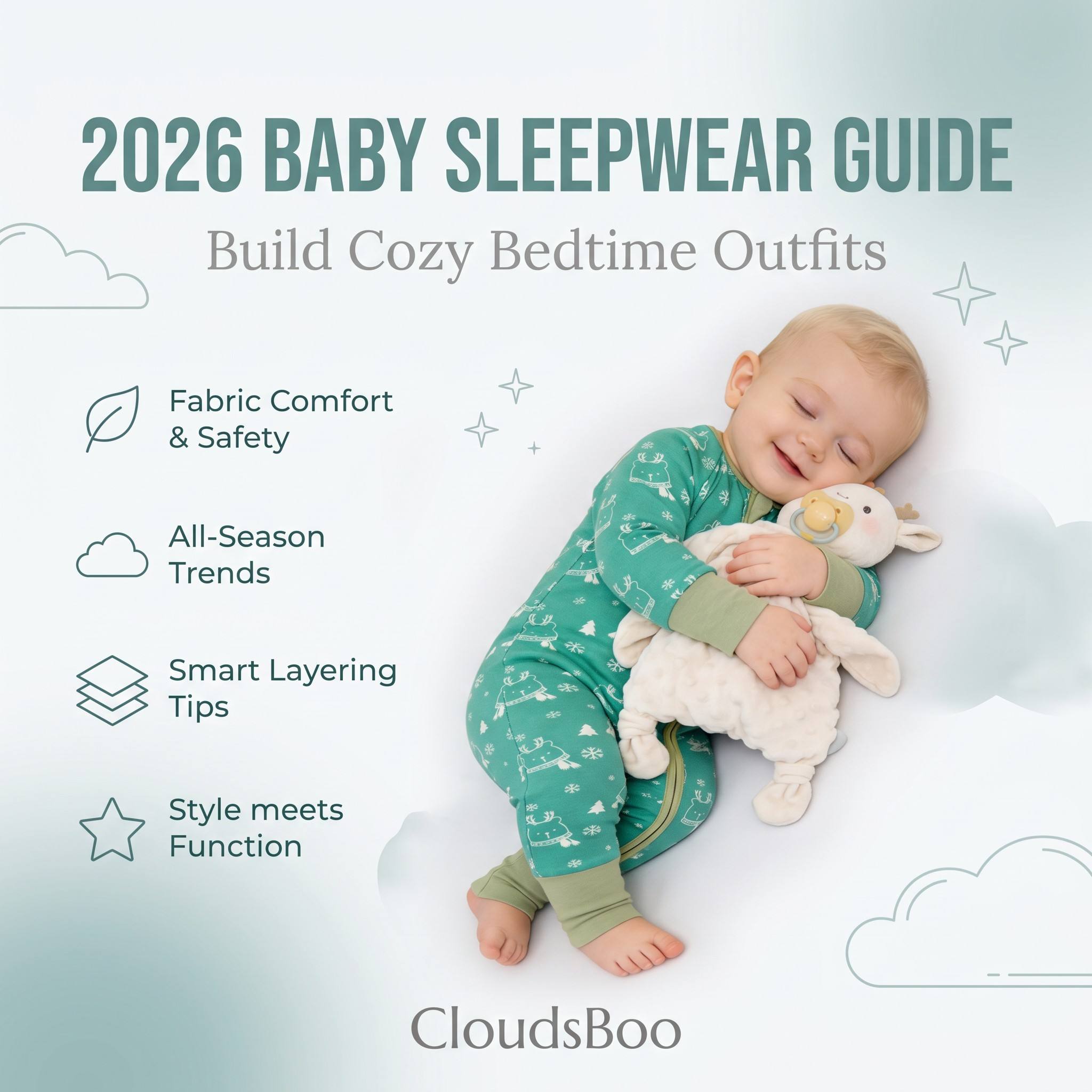
As the sun dips below the horizon and nursery lights cast a gentle glow, the quest for the perfect baby sleepwear begins. In 2026, creating cozy bedtime outfits for your little one goes beyond mere fabric and fit-it’s about blending comfort, safety, and style into a seamless lullaby of warmth and ease. Whether you’re welcoming a newborn or refreshing your toddler’s nighttime wardrobe, this guide will walk you through the essentials of baby sleepwear, helping you craft outfits that cradle your child in comfort and calm throughout the night. From soft, breathable materials to smart layering tips, get ready to build bedtime ensembles that turn every slumber into a peaceful dream.
Table of Contents
- Choosing the Right Fabrics for Ultimate Comfort and Safety
- Seasonal Sleepwear Trends That Keep Your Baby Cozy Year-Round
- Layering Techniques to Adapt to Changing Bedtime Temperatures
- Essential Features to Look for in Baby Pajamas
- Mixing Style and Functionality in Baby Sleepwear Ensembles
- Q&A
- To Conclude
Choosing the Right Fabrics for Ultimate Comfort and Safety
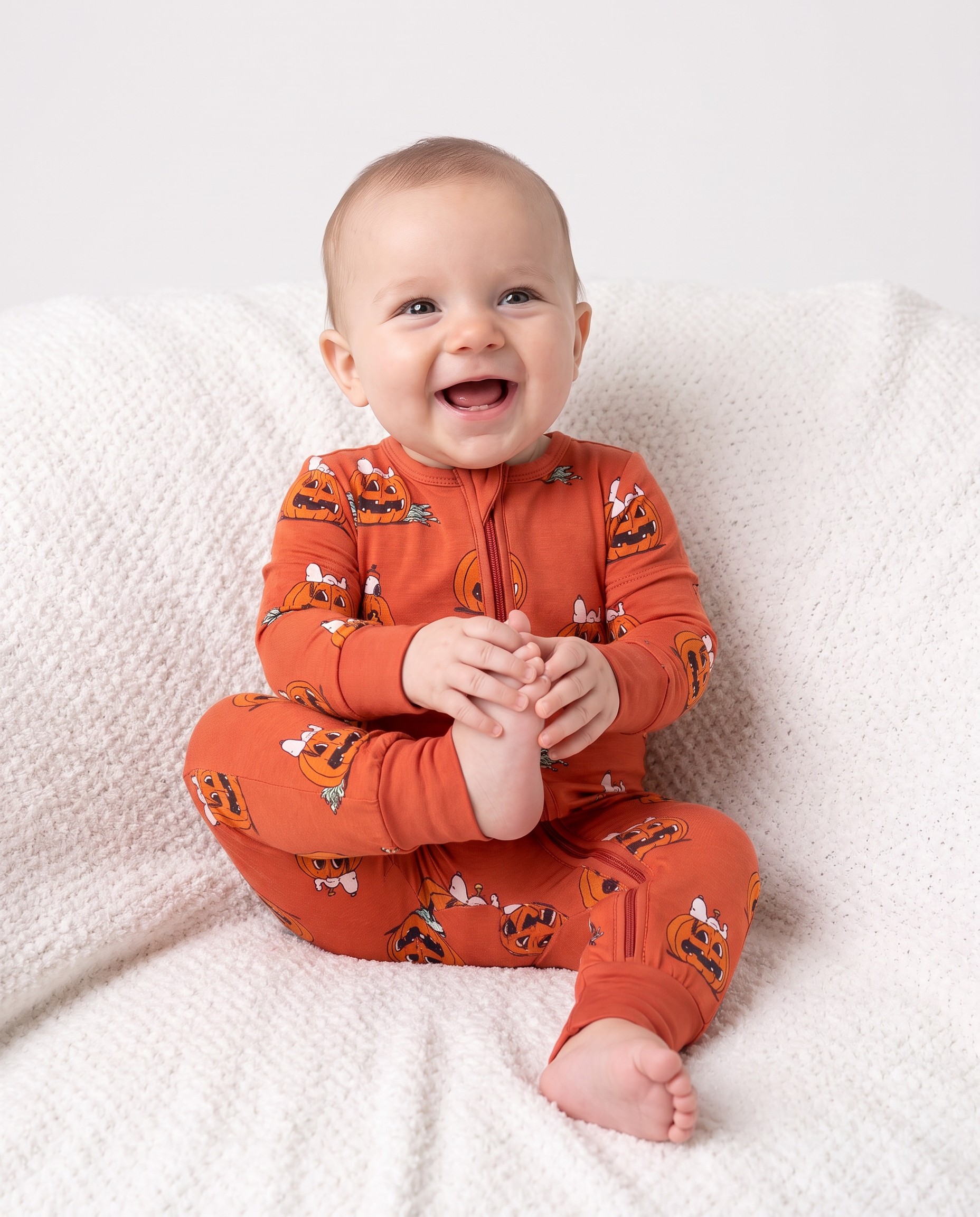 Imagine wrapping your little one in a cloud of softness that also acts as a barrier against irritants and discomfort. The fabric you choose plays a pivotal role in achieving this. Natural fibers like organic cotton and bamboo are the champions of breathability and hypoallergenic properties, making them ideal for sensitive baby skin. These materials help regulate temperature, preventing overheating during warmer nights while providing gentle warmth when it’s cooler.
When selecting sleepwear fabrics, consider these factors:
- Softness: Ensure the fabric feels smooth against delicate skin to avoid rashes.
- Moisture-wicking: Materials that absorb sweat can keep babies dry and comfy throughout the night.
- Durability: Fabrics should hold up to frequent washing while maintaining their softness and shape.
- Safety certifications: Look for OEKO-TEX or GOTS labels for non-toxic assurance.
| Fabric | Comfort Features | Safety Qualities |
|---|---|---|
| Organic Cotton | Skin-friendly, breathable | Non-toxic dyes, hypoallergenic |
| Bamboo | Ultra-soft, moisture-wicking | Antibacterial, chemical-free |
| Modal | Lightweight, silky texture | Eco-certified, safe dyes |
Seasonal Sleepwear Trends That Keep Your Baby Cozy Year-Round
- Winter: Layered fleece-lined footed pajamas
- Spring: Cotton blends with snap-button rompers
- Summer: Breathable muslin and footless sleepers
- Fall: Soft knit sets with fold-over mittens
| Season | Preferred Fabrics | Key Features |
|---|---|---|
| Winter | Organic cotton fleece | Snug cuffs, thermal lining |
| Spring | Light cotton blends | Snap closures, easy layering |
| Summer | Muslin, breathable knit | Footless designs, moisture-wicking |
| Fall | Soft knits, bamboo fabric | Fold-over mittens, cozy textures |
Layering Techniques to Adapt to Changing Bedtime Temperatures
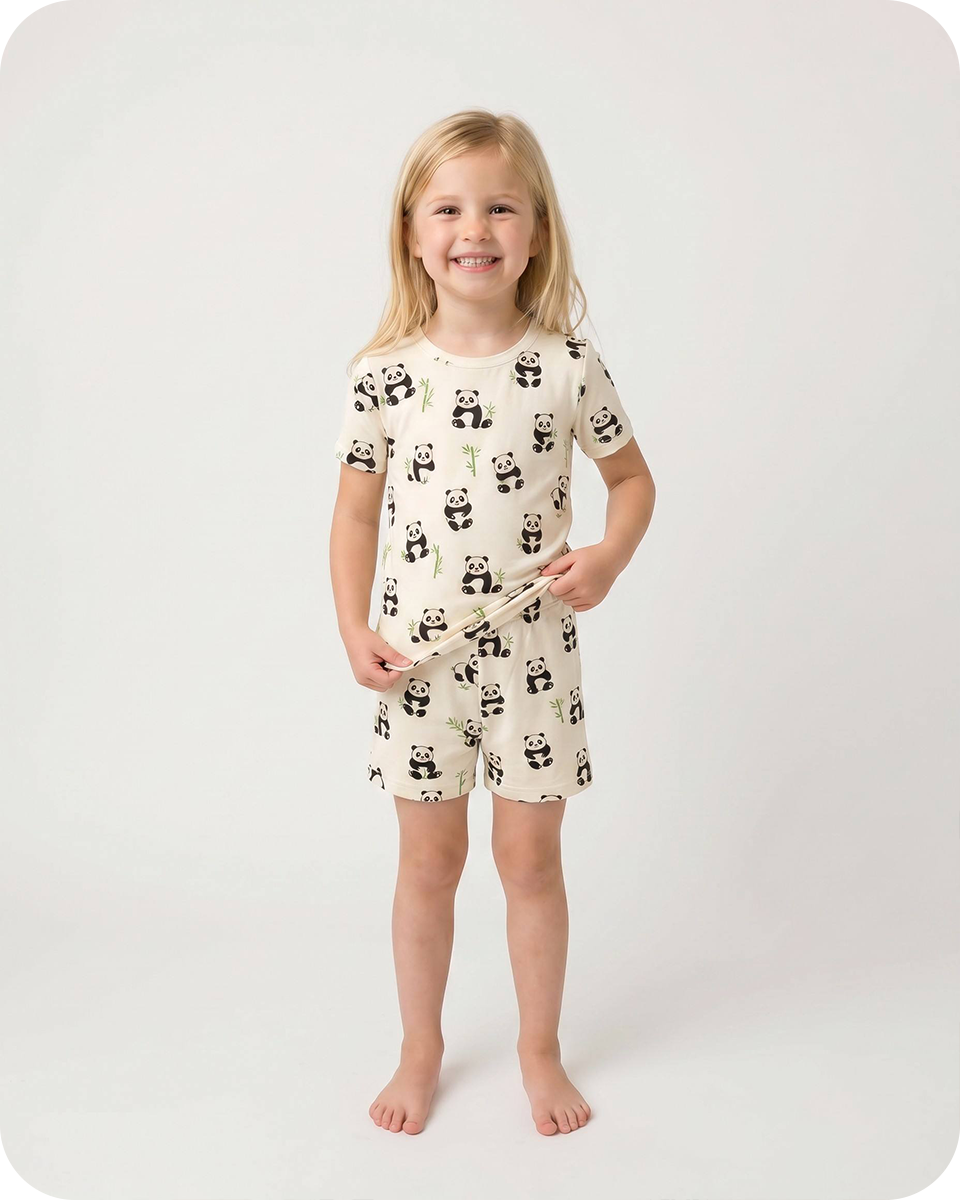 When it comes to keeping your little one comfortable throughout the night, mastering the art of layering is essential. Start with a base layer made from breathable, moisture-wicking fabrics like organic cotton or bamboo. This next-to-skin layer regulates body temperature by drawing sweat away, helping your baby stay cozy without overheating. From there, add a lightweight sleepsuit or footed pajama as a versatile mid-layer, perfect for adapting to gentle temperature changes. Finally, top with a snuggly wearable blanket or sleep sack, providing warmth and security without the risks of loose bedding.
To simplify nighttime outfit adjustments, consider these layering tips:
- Easy on and off: Choose pieces with front zippers or snap buttons for quick changes if your baby becomes too warm or cold.
- Mix fabrics strategically: Combine cotton with fleece or wool blends to match the shifting temperatures from dusk till dawn.
- Layer selectively: Focus on keeping extremities cozy-think hats, mittens, and socks- since babies lose heat faster through their hands and feet.
| Time of Night | Recommended Layers | Material |
|---|---|---|
| Early Evening (Cool) | Base layer + Lightweight Sleepsuit | Organic Cotton |
| Midnight (Chilly) | Base layer + Sleepsuit + Sleep Sack | Cotton + Fleece |
| Early Morning (Warm) | Base layer only | Bamboo |
Essential Features to Look for in Baby Pajamas
- Easy dressing: Look for features like wide neck openings, shoulder snaps, or two-way zippers to simplify nighttime diaper changes.
- Seasonal suitability: Choose lighter, moisture-wicking fabrics for summer and warmer, fleece-lined options for winter months.
- Durability: Select pajamas that can withstand frequent washing while retaining softness and shape.
| Feature | Benefit |
|---|---|
| Breathable fabric | Keeps baby cool and comfortable |
| Flame-resistant material | Enhances nighttime safety |
| Snug cuffs & ankles | Prevent exposure to cold air |
| Easy-access zippers/snaps | Facilitates quick diaper changes |
Mixing Style and Functionality in Baby Sleepwear Ensembles
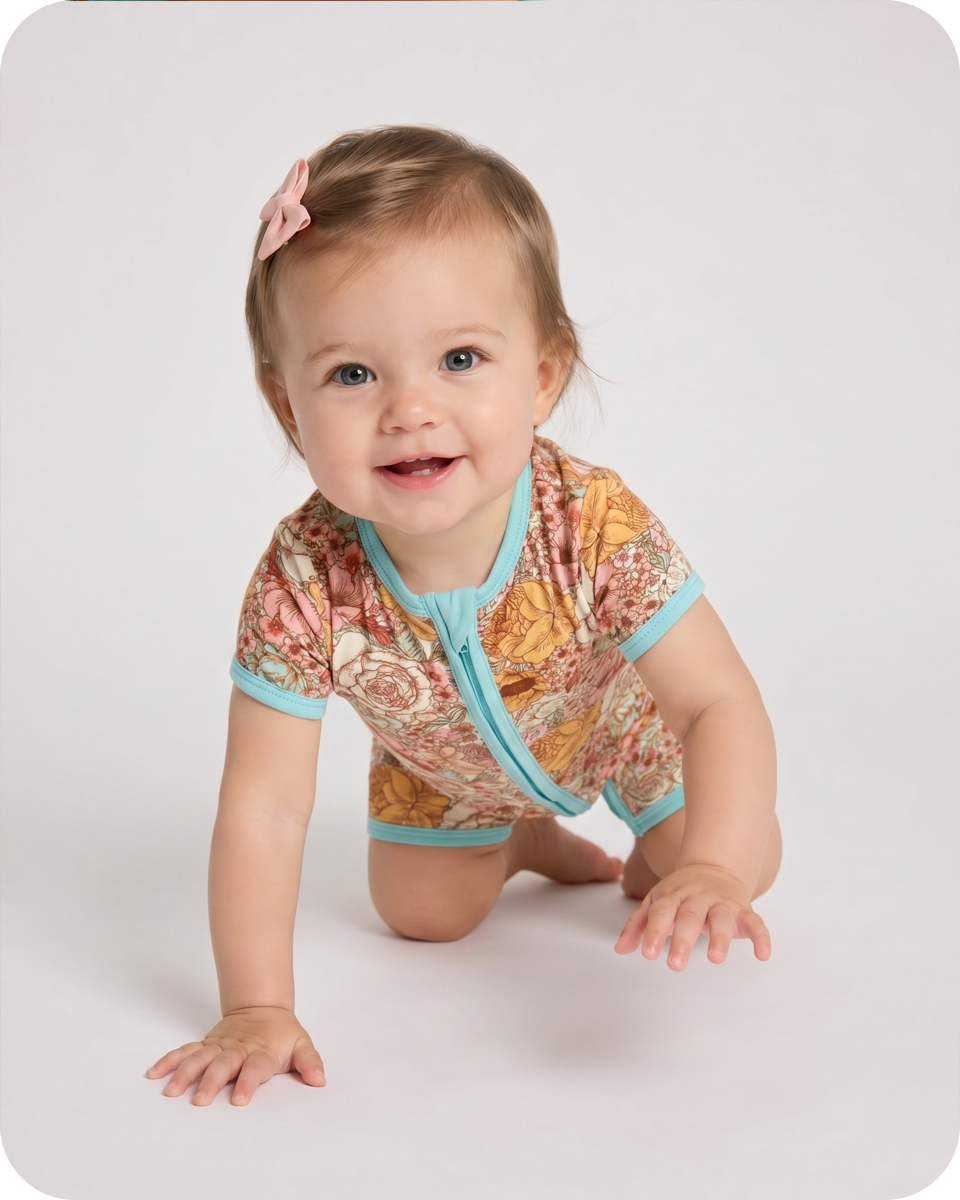 When crafting the perfect baby sleepwear ensemble, blending aesthetic appeal with practical design is key. Soft fabrics like organic cotton and bamboo not only elevate comfort but also lend a subtle elegance to each piece. Muted pastels, gentle patterns, and tiny, whimsical prints can create an outfit that’s both soothing for baby and charming to the eye. Remember, layering is an art-combining a lightweight sleepsuit with a cozy blanket sleeper or a snug hoodie adds dimension without compromising warmth.
Functional elements, however, are what truly set a bedtime outfit apart. Features such as snap closures and zippered fronts facilitate quick diaper changes, while adjustable cuffs and expandable necklines accommodate growing babies throughout the night. Many parents appreciate sleepwear designed with moisture-wicking fabrics or those that are naturally breathable, ensuring baby stays comfortable regardless of room temperature.
- Easy-to-access closures: Simplify nighttime routines
- Temperature-regulating materials: Prevent overheating
- Stretch-friendly designs: Support unrestricted movement
| Material | Key Benefit | Ideal Season |
|---|---|---|
| Organic Cotton | Soft, breathable, hypoallergenic | Year-round |
| Bamboo Fabric | Moisture-wicking, temperature-regulating | Spring & Fall |
| Fleece | Extra warmth, cozy texture | Winter |
Q&A
Q&A: 2026 Baby Sleepwear Guide – Build Cozy Bedtime Outfits
Q1: What are the key factors to consider when choosing baby sleepwear in 2026?
A1: Comfort, safety, and temperature regulation remain top priorities. Look for breathable fabrics like organic cotton or bamboo blends that keep baby cozy without overheating. Additionally, flame-resistant materials or snug-fitting designs compliant with safety standards help prevent hazards.
Q2: How has baby sleepwear technology evolved in 2026?
A2: Innovations include smart fabrics that respond to temperature changes, helping maintain an ideal sleep environment. Some designs integrate gentle humidity control or moisture-wicking layers to ensure babies stay dry and comfortable throughout the night.
Q3: What styles are trending for baby bedtime outfits this year?
A3: Minimalist, gender-neutral designs with soft pastels and earthy tones are popular. Layered sleepsuits with detachable mittens and fold-over feet are favored for functionality and adaptability. Cozy, one-piece sleepers with easy-access zippers make nighttime diaper changes simpler.
Q4: How can parents build a cozy bedtime outfit for varying climates?
A4: In cooler climates, start with a long-sleeve bodysuit as a base and add a fleece-lined sleepsuit or wearable blanket. For warmer areas, a lightweight, sleeveless onesie paired with a breathable swaddle works well. Layers should be easy to remove or add to maintain comfort.
Q5: Are there any eco-friendly options in baby sleepwear for 2026?
A5: Absolutely. Many brands now offer sleepwear made from sustainably sourced organic fibers, natural dyes, and recyclable packaging. Choosing these options supports environmental responsibility while ensuring gentle fabrics for baby’s sensitive skin.
Q6: What safety tips should parents keep in mind when dressing babies for sleep?
A6: Avoid loose blankets or heavy quilts that pose suffocation risks. Opt for sleepwear with snug cuffs and no decorative elements that can detach. Ensure zippers have protective covers to prevent skin irritation, and always check clothing sizes to avoid overly tight or loose fits.
Q7: How frequently should baby sleepwear be updated?
A7: Since babies grow quickly, reassessing fit every 2-3 months is ideal. Also, replace sleepwear that shows signs of wear, fading, or shrinking to maintain comfort and safety standards. Seasonal changes may also necessitate wardrobe updates to match temperature shifts.
Q8: Can parents personalize sleepwear to make bedtime more fun?
A8: Yes! Many brands offer customizable prints, embroidery, or themed sets that add a playful touch without compromising softness or safety. Personalized sleepwear can create positive bedtime associations and make cozy evenings even more special.
To Conclude
As you prepare to welcome those precious early nights with your little one, remember that building cozy bedtime outfits is about more than just fabric-it’s about creating a peaceful, comforting ritual that sets the stage for restful sleep. With the 2026 Baby Sleepwear Guide in hand, you’re equipped to blend softness, safety, and style seamlessly, turning bedtime into a gentle, soothing experience. After all, every tiny snooze starts with the perfect cozy fit. Sweet dreams await!