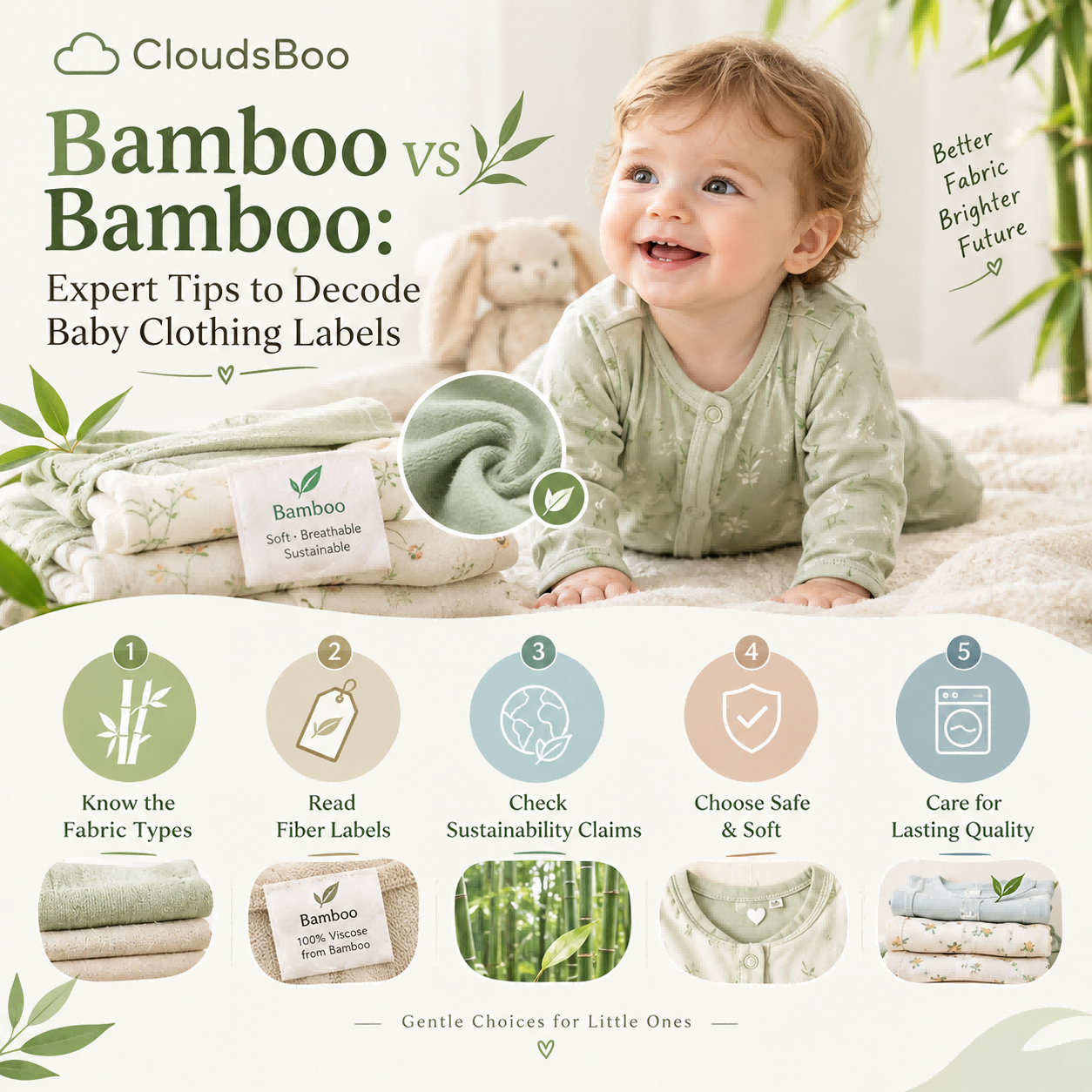
When it comes to dressing our little ones, the word “bamboo” on baby clothing labels often sparks curiosity-and sometimes confusion. But not all bamboo fabrics are created equaland understanding what lies beneath that soft, eco-friendly tag can make a world of difference for both comfort and sustainability. In this article, we peel back the layers of bamboo baby clothing, offering expert tips to help parents decode the labels and choose the best options for their precious bundles. Whether you’re a seasoned eco-shopper or a first-time buyer, join us as we unravel the nuances of bamboo fabric, separating fact from fiction in the world of babywear.
Table of Contents
- Understanding the Different Types of Bamboo Fabrics in Baby Clothing
- Decoding Fiber Labels and What They Mean for Your Baby’s Comfort
- Evaluating Sustainability Claims Behind Bamboo Baby Apparel
- Expert Recommendations for Choosing Safe and Soft Bamboo Clothes
- How to Care for Bamboo Baby Clothing to Maintain Quality and Longevity
- Q&A
- The Conclusion
Understanding the Different Types of Bamboo Fabrics in Baby Clothing
When navigating baby clothing labels, you might notice a range of bamboo fabric descriptions – but not all bamboo is created equal. The spectrum usually includes bamboo viscose, bamboo lyocelland bamboo linen, each crafted using different processes that influence softness, absorbencyand environmental impact.
Bamboo Viscose, the most common type, is prized for its luxurious softness and breathability. However, it involves chemical-heavy processing that might raise eyebrows for eco-conscious parents. In contrast, bamboo lyocell offers a greener alternative, utilizing a closed-loop process that recycles solvents and reduces waste – all while maintaining silky texture and excellent moisture-wicking properties.
- Bamboo Linen: More textured and durable, ideal for layering in cooler weather.
- Bamboo Viscose: Ultra-soft, great for sensitive baby skin and warmer climates.
- Bamboo Lyocell: Eco-friendlier, combining softness and sustainability in one fabric.
| Fabric Type | Texture | Eco Impact | Baby Suitability |
|---|---|---|---|
| Bamboo Viscose | Silky, smooth | Moderate | Best for soft, sensitive skin |
| Bamboo Lyocell | Soft, breathable | Low | Ideal for allergy-prone babies |
| Bamboo Linen | Textured, durable | Low | Great for layering |
Decoding Fiber Labels and What They Mean for Your Baby’s Comfort
Key terms to watch for when decoding bamboo clothing labels:
- Bamboo Viscose/Rayon: A common type of bamboo fabric processed chemically, known for its smoothness and moisture-wicking qualities.
- Bamboo Lyocell: A more eco-friendly fabric produced through a closed-loop process, combining softness with strength.
- Bamboo Linen: A rarer, textured option made with minimal processing, great for keeping babies cool in warm weather.
| Fiber Type | Feel | Breathability | Care Tips |
|---|---|---|---|
| Bamboo Viscose | Silky, soft | High | Machine wash cold, gentle cycle |
| Bamboo Lyocell | Soft, durable | Very High | Hand wash recommended |
| Bamboo Linen | Textured, breathable | High | Machine wash warm, air dry |
Understanding these fiber labels will help you choose baby clothes that not only look cute but also support your little one’s sensitive skin-for the utmost in comfort and care.
Evaluating Sustainability Claims Behind Bamboo Baby Apparel
Beware of vague claims such as “made with bamboo” without additional details. Manufacturers often blend bamboo fibers with conventional cotton or use heavy chemical treatments, which can have a significant environmental impact. To better understand these claims, examine the fabric composition closely:
- 95% bamboo viscose: May involve chemical-intensive processing despite being plant-based.
- Bamboo linen/rayon: Often more sustainable but less common in baby clothing.
- Bamboo blends: Can increase durability but dilute the sustainable benefits.
| Claim | What it Typically Means | Sustainability Impact |
|---|---|---|
| “Bamboo-derived fabric” | Processed bamboo fibers with chemical treatment | Moderate to high, depending on chemicals used |
| “Organic Bamboo” | Bamboo grown without pesticides | Low, but verify processing method |
| “Bamboo blend” | Bamboo mixed with other fibers like cotton | Varies, depending on blend ratio |
Expert Recommendations for Choosing Safe and Soft Bamboo Clothes
When selecting bamboo clothing for your little one, prioritize fabrics that promise both safety and softness. Not all bamboo textiles are created equal-look for certifications such as Oeko-Tex Standard 100 or GOTS (Global Organic Textile Standard), which ensure the absence of harmful chemicals. These labels guarantee that the clothing meets rigorous safety standards, protecting your baby’s sensitive skin from allergens and irritants.
Texture matters just as much as safety. Bamboo fabrics can vary from stiff to luxuriously soft depending on their manufacturing process. Opt for viscose or rayon derived from bamboo that’s labeled as “baby-friendly” or “ultra-soft,” but remain cautious of blends containing synthetic fibers that may reduce breathability or cause discomfort. Always choose breathable fabrics that wick moisture effectively to prevent overheating-a key factor in keeping your baby comfortable throughout the day.
- Check the fiber content: Ensure at least 70% bamboo for true softness.
- Look for natural dyes: Avoid harsh chemicals that can irritate skin.
- Examine stitching and finishes: Seamless or flat seams minimize chafing.
How to Care for Bamboo Baby Clothing to Maintain Quality and Longevity
Here are key tips to keep your bamboo baby garments in pristine condition:
- Wash inside out to protect the surface fibers.
- Avoid bleach and fabric softeners that can degrade the material.
- Choose a gentle cycle or hand wash for delicate items.
- Air dry flat or hang in shade to prevent fiber brittleness caused by heat.
- Iron on a low setting if neededor preferably, use a steamer.
To help visualize, consider this quick care comparison table:
| Care Aspect | Recommended | To Avoid |
|---|---|---|
| Water Temperature | Cold or lukewarm | Hot |
| Detergent | Mild, fragrance-free | Bleach, harsh chemicals |
| Drying Method | Air dry in shade | High-heat tumble dry |
| Washing Cycle | Gentle or hand wash | Heavy/aggressive cycles |
Q&A
Q&A: Bamboo vs Bamboo – Expert Tips to Decode Baby Clothing Labels
Q1: What does “bamboo” really mean on baby clothing labels?
A1: The term “bamboo” on labels can be quite confusing. It often refers to two different types of fabrics: bamboo viscose (or rayon) and mechanically processed bamboo linen. Bamboo viscose is the most common, made by chemically breaking down bamboo pulp into a soft fabric. True bamboo linen, made through mechanical processing, is rarer and more eco-friendly but less common in baby clothes.
Q2: Is bamboo fabric always eco-friendly?
A2: Not necessarily. While bamboo plants grow quickly and require fewer pesticides, the environmental impact depends heavily on the manufacturing process. Bamboo viscose production typically involves harsh chemicals that can harm the environment if not managed properly. Look for certifications like OEKO-TEX or GOTS to ensure eco-friendly practices.
Q3: How can I tell if baby clothes labeled “bamboo” are safe for my baby’s sensitive skin?
A3: Bamboo fabric is naturally soft, hypoallergenicand moisture-wicking, making it great for sensitive skin. However, chemical residues from processing could cause irritation. Opt for organic bamboo or fabrics certified free from harmful substances. Always check for trusted third-party certifications.
Q4: What differences in care should I expect between bamboo and other baby fabrics?
A4: Bamboo fabric is delicate and benefits from gentle washing. Use mild detergent, wash in cold waterand avoid high heat drying to prevent shrinking or damage. Compared to cotton, bamboo may require a touch more care but rewards with silky softness and durability.
Q5: Why do some labels say “bamboo cotton” or “bamboo blend”?
A5: These labels indicate the garment is made from a blend of bamboo fibers and other materials like cotton or spandex. Blending can improve stretch, durabilityor cost-effectiveness but may dilute some of bamboo’s natural benefits such as breathability and softness. Check percentage content for a clearer picture.
Q6: Are there any myths about bamboo clothing for babies I should be aware of?
A6: Yes. A common myth is that bamboo fabric is 100% natural and always sustainable. While bamboo itself is natural, the typical viscose process involves synthetic chemicals. Another myth is that all bamboo fabrics are equally soft-quality varies widely depending on processing and blends.
Q7: What should parents prioritize when selecting bamboo baby clothing?
A7: Focus on transparency and certifications. Look for brands that disclose the fabric type (viscose, linen, blend), production methodsand verify textile standards. Comfort, safetyand environmental impact should all be balanced. Testing a small item first can help assess softness and fit.
Q8: Can bamboo baby clothes help with temperature regulation?
A8: Yes! Bamboo fibers have excellent moisture-wicking abilities and breathability, which helps keep babies cool in summer and warm in winter. This natural thermoregulation promotes comfort and decreases the risk of overheating or chills.
The Conclusion
In the world of baby clothing, bamboo may seem like a simple, eco-friendly choice, but as we’ve uncovered, not all bamboo fabrics are created equal. Understanding the nuances behind those labels—from sourcing and processing to certifications—empowers you to make informed decisions for your little one’s comfort and health. By decoding the bamboo buzzwords, you’re not just choosing clothes; you’re embracing sustainability, quality, and care in every stitch. At CloudsBoo, we believe every bamboo baby garment should reflect these values, combining thoughtful material choices with comfort, quality, and care. So next time you shop, remember: a closer look at the label can reveal a world of difference, turning bamboo into a baby wardrobe superstar you can trust.