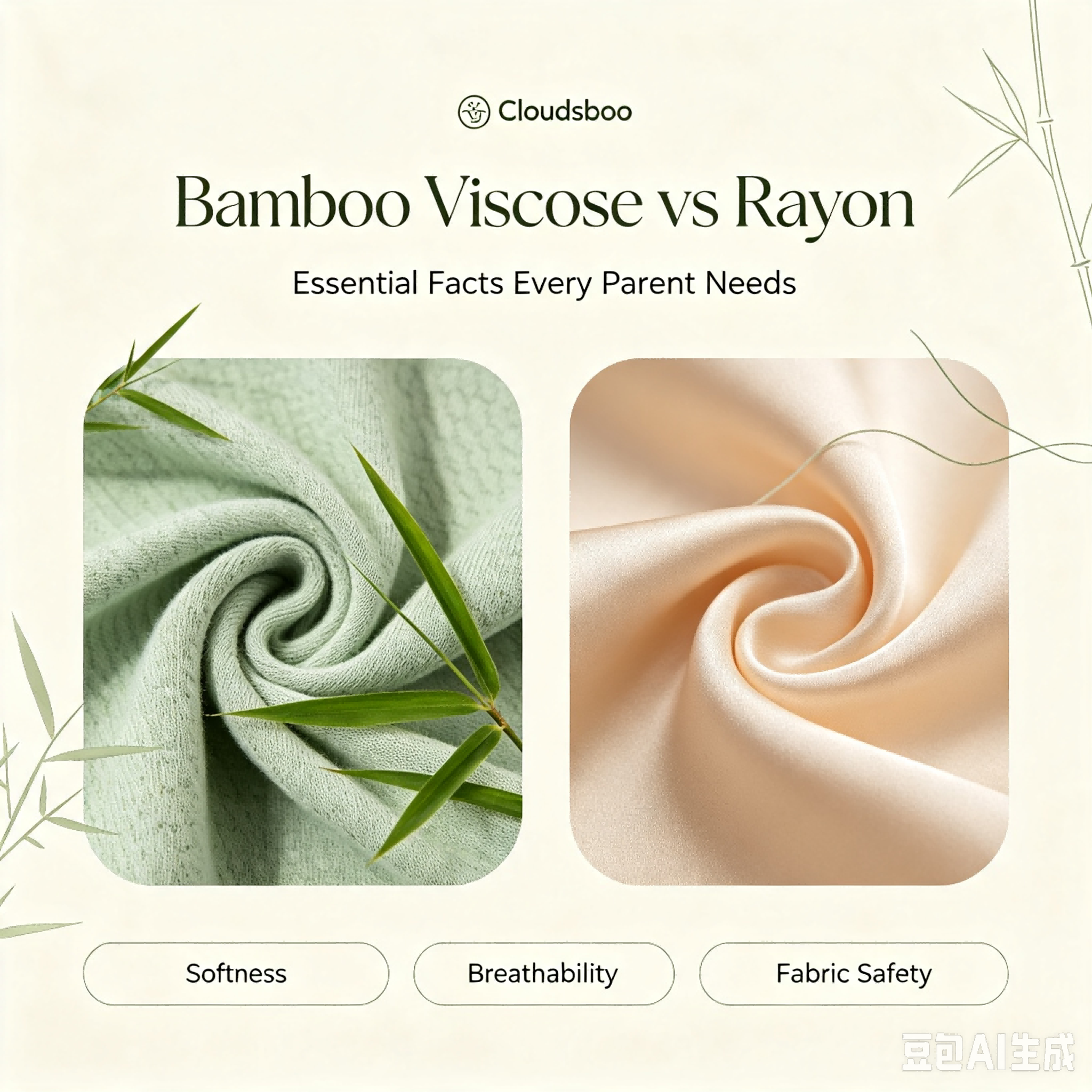
In a world where parents are increasingly mindful about the fabrics that touch their children’s delicate skin, understanding the difference between bamboo viscose and rayon has never been more important. Both materials, often praised for their softness and breathability, claim to offer comfort and care-but beneath these similarities lie essential facts that every parent should know before making a choice. This article delves into the nuances of bamboo viscose and rayon, unraveling their origins, manufacturing processes, and environmental impact, helping you make an informed decision for your family’s wellbeing. Whether you’re selecting clothes, bedding, or accessories, understanding these textiles can transform the way you think about the fabrics in your child’s world.
Table of Contents
- Bamboo Viscose and Rayon Explained: Understanding the Fabric Origins and Production Processes
- Comfort and Breathability: How Each Fabric Responds to a Child’s Sensitive Skin
- Durability and Care Tips Extending the Life of Your Child’s Clothing
- Environmental Impact: Assessing Sustainability and Eco-Friendliness of Both Fabrics
- Making the Right Choice: Practical Recommendations for Parents Selecting Kids’ Apparel
- Q&A
- Insights and Conclusions
Bamboo Viscose and Rayon Explained: Understanding the Fabric Origins and Production Processes
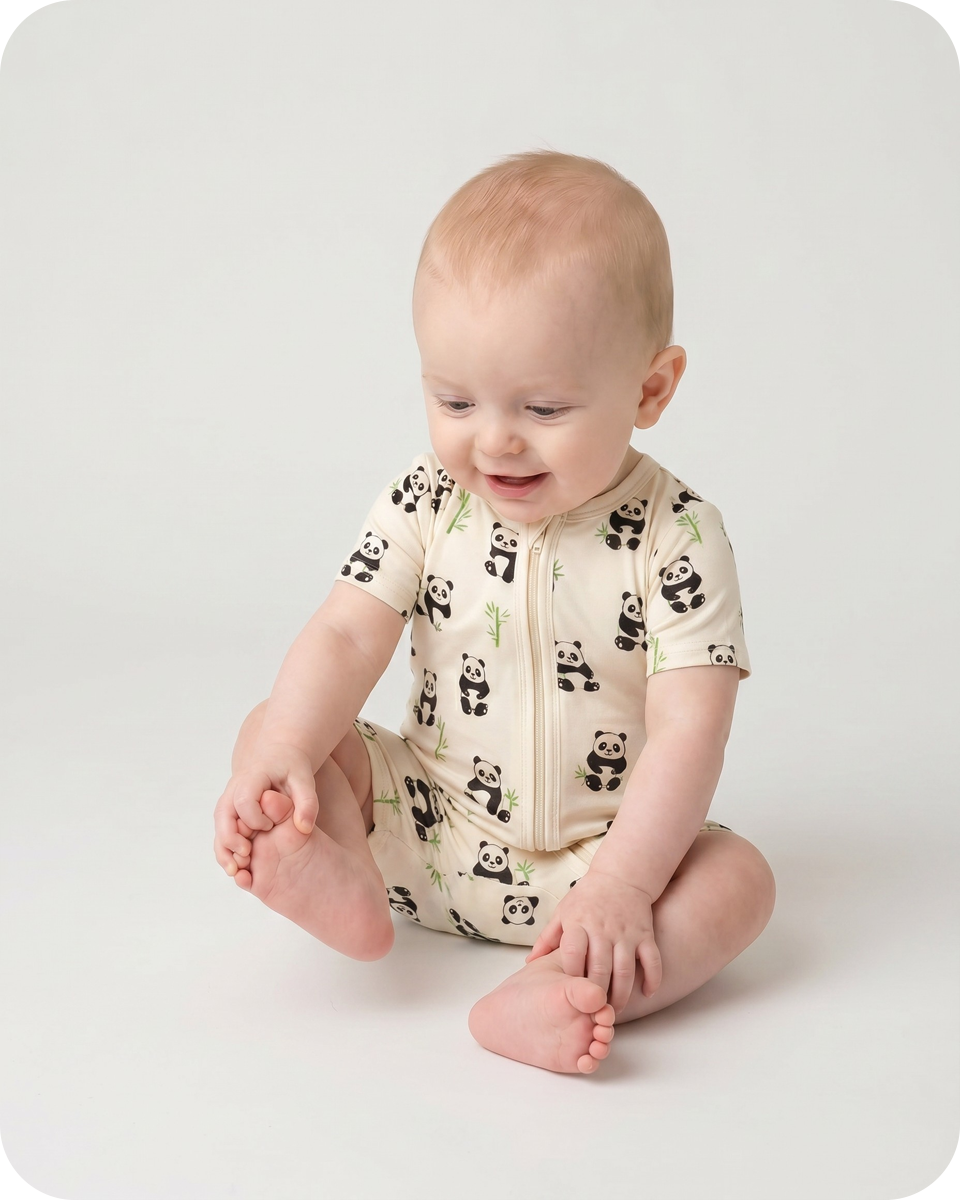
Bamboo viscose and rayon are both types of regenerated cellulose fibers, which means they originate from natural materials but undergo significant chemical transformation before becoming wearable fabric. Bamboo viscose starts with bamboo pulp, derived from fast-growing bamboo plants celebrated for their sustainability. Despite its natural roots, the pulp must be dissolved using chemicals to create viscose fibers, a process that affects both environmental impact and fabric texture. Rayon, on the other hand, is typically made from wood pulp sourced from trees such as beech, pine, or eucalyptus. The use of different raw materials results in subtle variations in feel and breathability, though both fabrics share a common thread of chemical processing.
Understanding the production methods highlights key differences that matter to parents considering comfort and eco-friendliness for their kids’ clothes. Bamboo viscose involves these steps:
- Harvesting bamboo and converting it into pulp
- Using chemical solvents like sodium hydroxide and carbon disulfide to dissolve the pulp
- Extruding the cellulose solution to form fibers
Rayon’s process mirrors this but typically sources from different wood species, leading to slightly varied fiber qualities. The chemical-intensive nature of both means they aren’t as eco-friendly as natural fibers like organic cotton, but innovations in closed-loop manufacturing systems aim to reduce the environmental footprint.
| Aspect | Bamboo Viscose | Rayon |
|---|---|---|
| Raw Material | Bamboo pulp | Wood pulp (e.g., beech, pine) |
| Feel | Soft, silky, breathable | Soft, smooth, slightly heavier |
| Environmental Impact | Varies; depends on chemical handling | Varies; often similar footprint |
Comfort and Breathability: How Each Fabric Responds to a Child’s Sensitive Skin
| Feature | Bamboo Viscose | Rayon |
|---|---|---|
| Breathability | Excellent airflow; keeps skin cool and dry | Moderate; can trap heat in humid conditions |
| Softness | Luxuriously soft, gentle on sensitive skin | Soft but less smooth over frequent washes |
| Hypoallergenic | Naturally hypoallergenic; resists bacteria | Not inherently hypoallergenic; chemical residues possible |
In essence, for a parent prioritizing comfort and breathability, bamboo viscose often emerges as the front-runner. Extras like its moisture absorption capacity and resistance to allergens mean fewer rashes and more peaceful naps for your little one. Always consider these subtle but significant differences when selecting fabrics that come closest to nurturing your child’s sensitive skin.
Durability and Care Tips Extending the Life of Your Child’s Clothing
- Wash in cold water using a gentle cycle to prevent shrinking and fiber damage.
- Avoid harsh detergents and bleach, which can degrade fabric softness and color integrity.
- Air drying is preferable; tumble drying can stress the fibers and cause pilling.
When it comes to ironing, use a low heat setting or steam to smooth out wrinkles without risking burns or weakening the delicate fabric structure. With these mindful habits, your child’s favorite outfits will maintain their comfort and appearance, no matter how many times they’re worn or washed.
| Fabric | Ideal Wash Temp | Drying | Ironing |
|---|---|---|---|
| Bamboo Viscose | Cold (30°C) | Air Dry | Low Heat / Steam |
| Rayon | Cold (30°C) | Air Dry or Low Tumble | Low Heat |
Environmental Impact: Assessing Sustainability and Eco-Friendliness of Both Fabrics
When it comes to choosing between bamboo viscose and rayon, understanding their environmental footprints is crucial for eco-conscious families. Bamboo viscose, derived from the fast-growing bamboo plant, often earns praise for its renewable source. Bamboo requires less water and pesticides compared to many other crops, making it a seemingly sustainable option at first glance. However, the process of turning bamboo into viscose involves chemicals that can be harmful if not managed responsibly.
On the flip side, rayon – frequently made from wood pulp – often comes under scrutiny for deforestation concerns. The environmental impact largely hinges on the source of the pulp and the manufacturing techniques employed. While some rayon is produced using eco-certified wood and closed-loop processes that recycle water and chemicals, much of it still involves practices that contribute to habitat loss and pollution.
| Factor | Bamboo Viscose | Rayon |
|---|---|---|
| Raw Material Source | Fast-growing bamboo, renewable | Wood pulp, varies by source |
| Water Usage | Low to moderate | Moderate to high |
| Chemical Treatment | Uses chemical solvents | Uses chemical solvents |
| Deforestation Risk | Low, if bamboo is responsibly sourced | Medium to high, depending on pulp source |
| Eco-Friendly Certifications | Growing availability | Some certifications, but inconsistent |
- Sourcing transparency greatly impacts the true eco-friendliness of both fabrics.
- Manufacturers adopting closed-loop production practices significantly reduce chemical waste.
- Parents looking for green options should prioritize brands with clear sustainable commitments and certifications.
Making the Right Choice: Practical Recommendations for Parents Selecting Kids’ Apparel
| Criteria | Bamboo Viscose | Rayon |
|---|---|---|
| Softness | Very Soft | Soft |
| Breathability | High | Moderate |
| Durability | High | Variable |
| Hypoallergenic | Yes | Sometimes |
| Eco-Friendliness | Generally Better | Depends on Production |
To make the best choice for your little ones, consider these practical tips:
- Check for Certifications: Look for materials with safety and sustainability certifications.
- Feel the Fabric: Embrace tactile tests-soft and breathable fabrics indicate comfort and quality.
- Consider Allergies: Opt for hypoallergenic fibers if your child has sensitive skin or allergies.
- Evaluate Durability: Choose fabrics that can withstand multiple washes and active play.
Q&A
Q&A: Bamboo Viscose vs Rayon – Essential Facts Every Parent Needs
Q1: What exactly are bamboo viscose and rayon?
A1: Both bamboo viscose and rayon are types of semi-synthetic fibers made from natural cellulose. Bamboo viscose is derived specifically from bamboo pulp, while rayon can come from various plant sources like wood or bamboo. The raw material is chemically processed to create soft, wearable fabric.
Q2: Are bamboo viscose and rayon the same thing?
A2: Not exactly. Rayon is a broad category of regenerated cellulose fibers, including viscose, modal, and lyocell. Bamboo viscose is a subset of rayon made from bamboo. So, bamboo viscose is a type of rayon, but not all rayon is bamboo viscose.
Q3: Why should parents care about these fabrics for their children’s clothes?
A3: Choosing the right fabric matters for kids’ comfort, skin sensitivity, and environmental impact. Bamboo viscose is known for its softness, breathability, and moisture-wicking properties, making it gentle and cozy for little ones. Rayon’s qualities vary based on its source and processing but can also offer softness and comfort.
Q4: Is bamboo viscose safer or more sustainable than regular rayon?
A4: Bamboo itself is a fast-growing, renewable resource, which looks promising on sustainability. However, the chemical-intensive process to turn bamboo into viscose can be harsh unless done with eco-friendly methods. Regular rayon faces similar environmental concerns depending on how it’s produced. Parents should look for certifications or brands practicing responsible production.
Q5: How does bamboo viscose feel compared to other fabrics?
A5: Bamboo viscose is often praised for its silky, smooth texture-soft like cashmere but breathable like cotton. Kids with sensitive skin may find it soothing. Rayon can vary but generally offers a similar level of softness and drape.
Q6: Can bamboo viscose or rayon cause allergic reactions?
A6: Both are generally hypoallergenic, but sensitivities can occur with any fabric or chemical residues from processing. Washing new clothes before wearing can reduce any irritants. Parents observing any skin discomfort should consult a pediatrician.
Q7: How durable is bamboo viscose compared to rayon?
A7: Bamboo viscose tends to be strong and durable when cared for properly, but both fabrics require gentle washing. They are less robust than cotton or synthetic blends and may pill or weaken over time if handled roughly.
Q8: What should parents consider when buying bamboo viscose or rayon clothing?
A8: Check for certified organic or eco-friendly labels, review the brand’s sustainability practices, and always follow care instructions to prolong fabric life. Think about your child’s skin sensitivity, comfort needs, and environmental values.
Q9: Is bamboo viscose more expensive than rayon?
A9: Typically, bamboo viscose can be priced higher due to perceived eco-friendly benefits and softness. Rayon products vary widely in price depending on quality and manufacturing standards.
Q10: Final takeaway for parents:
A10: Both bamboo viscose and rayon offer soft, comfortable options for children’s clothing but come with environmental and care considerations. Being an informed buyer means balancing comfort, sustainability, and budget- ensuring your little one feels great while you feel good about your choices.
Insights and Conclusions
In the delicate journey of choosing the perfect fabric for your little one, understanding the differences between bamboo viscose and rayon can help parents make more thoughtful decisions. Each material has its own characteristics in terms of softness, breathability, sustainability, and care, which can directly impact your child’s everyday comfort.
For parents seeking gentle, breathable, and skin-friendly baby clothing, CloudsBoo specializes in premium bamboo babywear designed to provide exceptional softness and comfort for delicate skin. By learning more about fabric choices and quality materials, you can select baby essentials that reflect both your values and your child’s needs.
After all, in the fabric of parenting, knowledge is the thread that connects thoughtful choices with lasting comfort.