
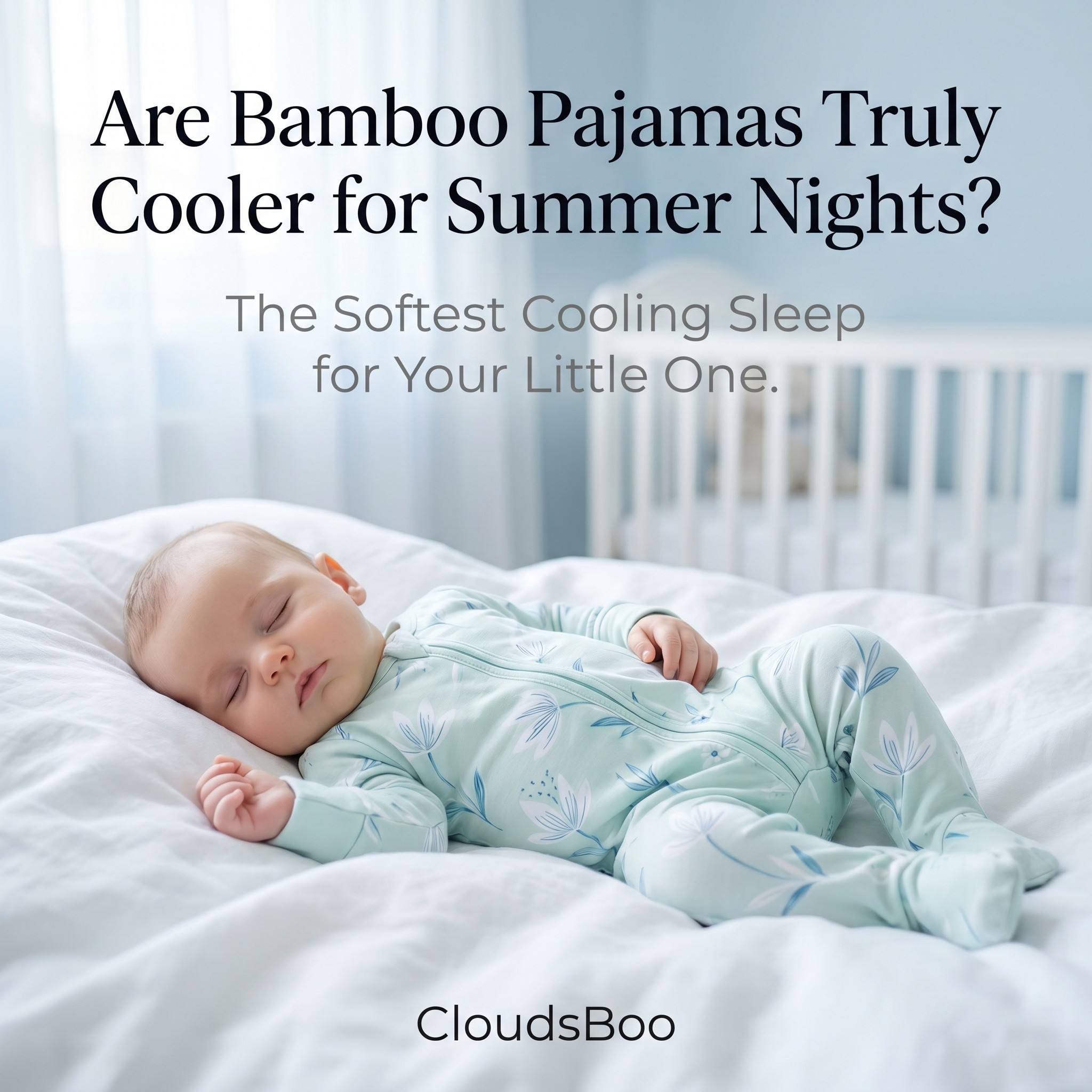
The heat hangs in the air like a wet sheet; the fan hums its steady reassurance while the window offers only the promise of cooler hours. When summer nights swell, the question of what to wear to bed becomes unexpectedly urgent — will a different fabric mean the difference between tossing and turning and sleeping through till dawn? Enter bamboo pajamas: soft, whisper-light garments that arrive with promises of superior breathability, moisture-wicking, and a cooler touch against the skin.
But beyond the appeal of the fabric’s silken hand and eco-friendly headlines, how much of that coolness is real and measurable? This article peels back the layers of marketing and myth to examine what “cool” actually means for sleepwear. We’ll look at the science of fibers and thermal comfort, compare bamboo-derived fabrics to cotton, linen, and synthetics, and weigh practical factors like weave, fit, and care that influence nighttime temperature.
Neutral in tone and evidence-focused in approach, this piece aims to give you the facts and considerations needed to decide whether bamboo pajamas are a summer-night solution or simply a stylish comfort. By the end, you’ll understand not just the claim, but the conditions under which bamboo might — or might not — keep you cooler when the mercury climbs.
Table of Contents
- Why bamboo feels cool: breathable fibers, moisture-wicking, and thermal regulation
- Bamboo versus cotton and synthetics: real-world sleep performance and comfort
- Common claims examined: sustainability, odor control, and long-term durability
- How to choose and care for bamboo pajamas for the coolest summer nights
- Q&A
- The Conclusion
Why bamboo feels cool: breathable fibers, moisture-wicking, and thermal regulation
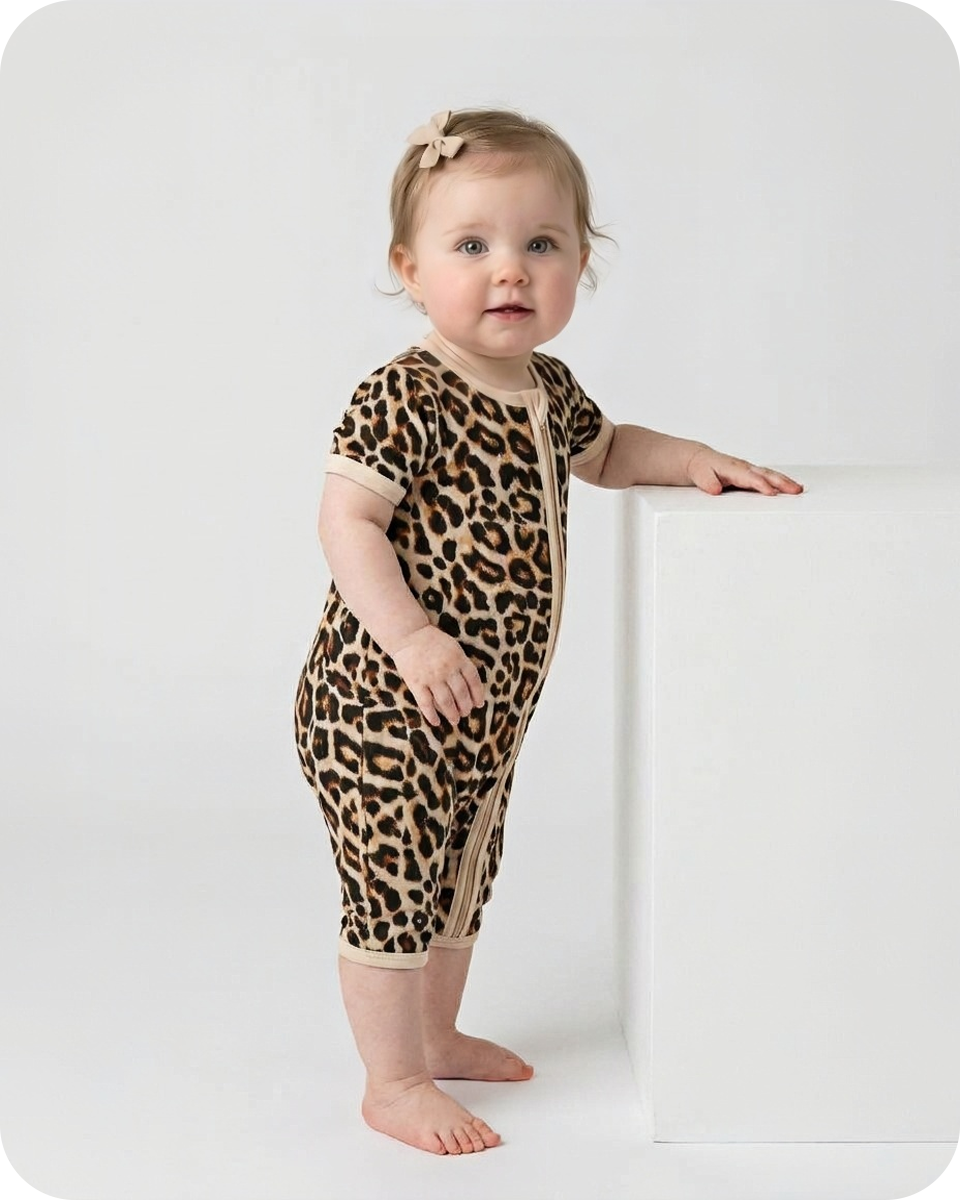
Bamboo’s secret isn’t magic—it’s structure. The fibers form a soft, fine network that encourages airflow and lets heat escape rather than trapping it against the skin. That natural architecture also supports quick moisture movement away from the body, so perspiration evaporates faster, and pajamas stop clinging. The result is a fabric that often feels immediately lighter and cooler to the touch on warm evenings.
- Hollow microfibers: create channels for air circulation.
- Capillary wicking: pulls sweat away, speeding evaporation.
- Thermal buffering: moderates skin temperature instead of amplifying heat.
- Soft surface: reduces friction and the sticky sensation of damp fabric.
Put simply, these traits work together to reduce the muggy, clingy feeling that wrecks sleep on hot nights. For people who run warm or live in humid climates, that combination of breathability and moisture control can mean fewer wake-ups and a more comfortable stretch of sleep. Below is a quick comparison of how those properties translate into nighttime benefits.
| Property | How it works | Night benefit |
|---|---|---|
| Breathability | Allows heat exchange | Less overheating |
| Moisture wicking | Moves sweat away | Drier skin, less cling |
| Thermal regulation | Buffers temperature swings | Smoother sleep transitions |
Bamboo versus cotton and synthetics: real-world sleep performance and comfort
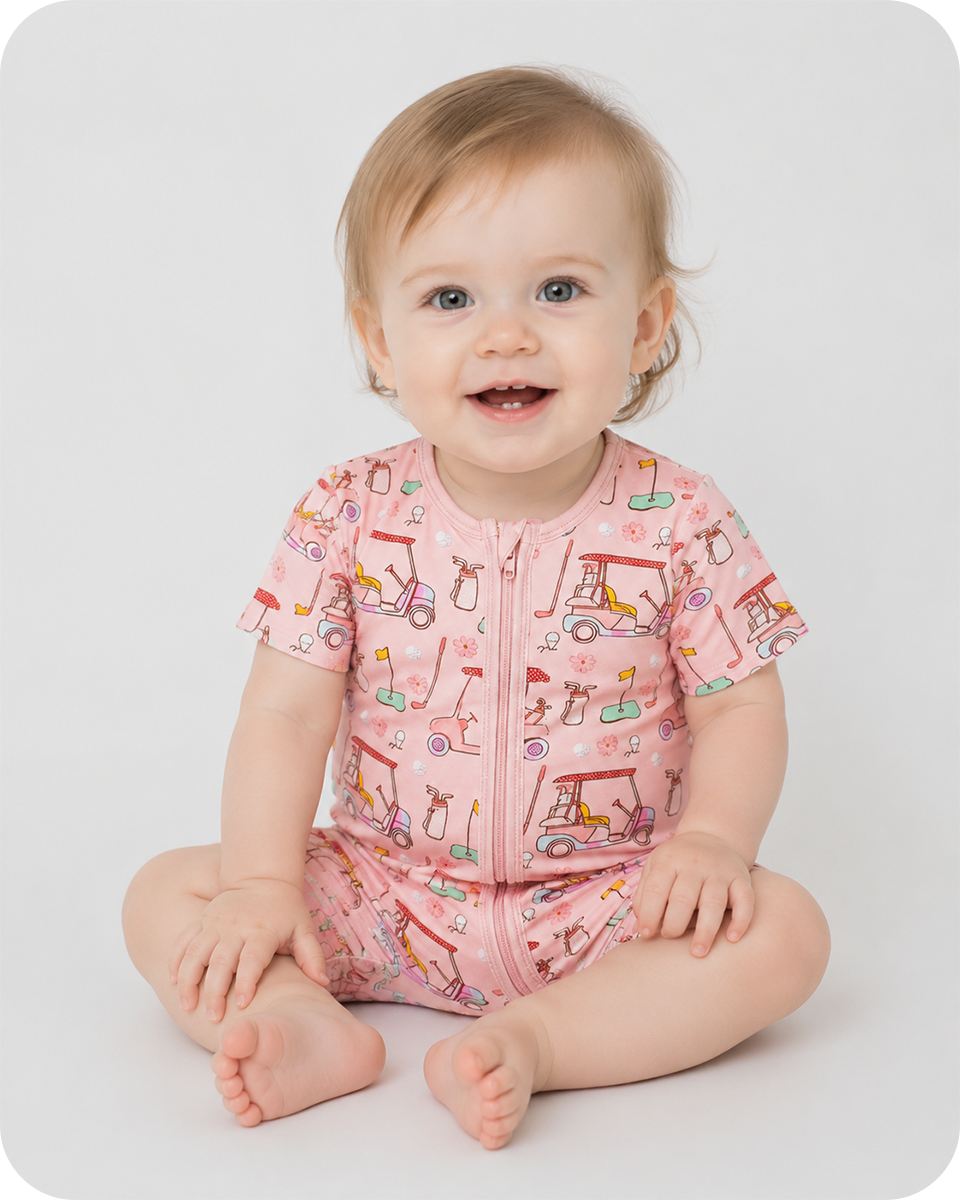
Sleepless nights often come down to three things: breathability, moisture control, and how the fabric feels on skin. Bamboo-derived rayon tends to win points for a silk-like touch and excellent moisture-wicking, so it often feels cooler on humid evenings. Cotton gives a familiar, plush comfort and keeps you cozy without clinging when it’s dry, but it can stay damp longer after sweat. Synthetic fabrics (polyester, nylon, blends) dry fastest and wick actively, yet they can lock in heat and trap odors on warm, sticky nights. Real-world sleepers report that a loose, lightweight bamboo weave or a bamboo-cotton blend usually balances coolness and softness best.
Practical choices matter more than labels: weave, weight, and fit change everything. Quick tips from mattress-side experience:
- Choose lighter weaves for summer—they ventilate better.
- Avoid clingy fits that prevent airflow, regardless of fiber.
- Look for blends if you want durability plus the cooling hand of bamboo.
| Material | Typical Sleep Feel | Best For |
|---|---|---|
| Bamboo rayon | Cool, silky, moisture-wicking | Humid sleepers, lightweight pajamas |
| Cotton | Soft, breathable, holds moisture | Dry nights, natural-feel lovers |
| Synthetics | Fast-dry, less breathable, can trap heat | Athletic wear, quick-dry needs |
Common claims examined: sustainability, odor control, and long-term durability
Bamboo often arrives with a halo of eco-friendly marketing: it grows fast, regenerates without replanting, and can thrive without heavy pesticides. In practice, the environmental story depends on the fabric-making step. Many sleepwear labels use bamboo viscose/rayon, which transforms raw bamboo into soft fiber using chemicals, an energy- and solvent-intensive process unless it’s a closed-loop system like Lyocell. Look for certifications (OEKO‑TEX, FSC for raw material, or EU Ecolabel) and transparent sourcing; those are better indicators than the word “bamboo” on a tag alone.
When it comes to odor control and longevity, functionality and care matter more than buzzwords. Bamboo-derived fabrics are often breathable and moisture-wicking, which can reduce night-time clamminess and the bacteria that cause smells, but antibacterial claims are frequently exaggerated. Durability depends on fiber type (viscose is softer but weaker; Lyocell and blended weaves hold up better) and construction—stitching, weight, and finish all affect how pajamas age. Consider these practical points:
- Care tips: wash on gentle, avoid high heat, and line dry when possible to preserve fibers.
- Labels to trust: look for closed-loop processes or blended fabrics with clear fiber percentages.
- Design cues: tighter weaves and reinforced seams = better longevity.
| Claim | Typical Reality |
|---|---|
| Sustainable | Raw bamboo, yes; processing varies |
| Stops odor | Helps via breathability, not a silver bullet |
| Long-lasting | Depends on fiber type and care |
How to choose and care for bamboo pajamas for the coolest summer nights
Choose fabrics that breathe — look for lightweight bamboo viscose (roughly 120–160 gsm) in a jersey or tricot knit for maximum airflow and silk-like drape. A slightly loose fit lets air circulate your body; tight cuts trap heat. Favor pale, matte colors that reflect rather than absorb warmth, and consider single-fiber bamboo or high-percentage bamboo blends if you want the full cooling effect without sacrificing durability.
- Feel test: cool to the touch and fluid, not stiff.
- Weave pick: jersey/tricot for breathability; modal blends for softness.
- Fit tip: relaxed silhouette for airflow—avoid clingy styles.
- Color choice: light shades for cooler sleep.
To keep that cool, airy performance, treat bamboo gently: wash in cold water on a delicate cycle with a mild detergent, skip fabric softeners and bleach, and reshape while damp. Air-dry flat or tumble very low to prevent fiber breakdown; if ironing is needed, use a low-heat setting. Store folded in a cool, dry place to maintain the fabric’s softness and breathability.
| Feature | Why it matters | Quick care |
|---|---|---|
| Weight | Light = cooler | Cold wash, air dry |
| Weave | Jersey = airflow | Delicate cycle |
| Blend | Pure bamboo = best cooling | Avoid high heat |
Q&A
Q: What do people mean by “bamboo pajamas”?
A: “Bamboo pajamas” usually refers to sleepwear made from fibers derived from the bamboo plant. Most commonly, this is bamboo viscose/rayon (chemically processed), though there are also mechanically processed bamboo fibers (bamboo linen) and bamboo lyocell (a more closed-loop process). The finished fabric — its weave, weight, and finish — matters more for sleep performance than the raw plant.
Q: Are bamboo pajamas actually cooler than other pajamas?
A: They can be — but not automatically. Bamboo-derived fabrics are often soft, lightweight, and have good moisture-handling properties, which can make them feel cooler, especially at first contact and during light sweating. However, cooling performance depends on the specific fiber type, fabric weight, weave, garment fit, and the sleep environment, so results vary.
Q: How do bamboo fabrics create a cooling effect?
A: Two main mechanisms: breathability (air flow through the fabric) and moisture management (wicking and evaporation). Bamboo-derived fabrics often absorb moisture quickly and release it through evaporation, producing evaporative cooling. A loose, low-weight weave enhances airflow and helps carry heat away from the body.
Q: Is bamboo viscose the same as bamboo lyocell or bamboo linen?
A: No. Bamboo viscose (rayon) is chemically processed and common in inexpensive bamboo sleepwear. Bamboo lyocell uses a more environmentally friendly closed-loop solvent process and often has similar comfort. Bamboo linen is mechanically processed, coarser and stronger, more like traditional linen. Each behaves differently for cooling, softness, and durability.
Q: How do bamboo pajamas compare with cotton, linen, silk, and Tencel for summer nights?
A: – Linen: typically excellent for hot weather — very breathable and quick-drying, with natural texture.
– Cotton: breathable and familiar; lightweight cotton performs well, but some cotton can trap moisture and feel heavy when wet.
– Silk: smooth and lightweight but less absorbent — can feel cool initially but may not manage sweat well.
– Tencel/lyocell (non-bamboo): very similar to bamboo lyocell in moisture management and softness; often performs equally or better.
Bamboo fabrics often fall in the same performance band as lyocell/modal — soft, good at wicking — but high-quality lightweight cotton and linen can be equally or more comfortable depending on conditions.
Q: Are bamboo pajamas good for night sweats or hot flashes?
A: They can help by wicking moisture away and allowing evaporation, which cools the skin. However, for heavy night sweats, look for fabrics with excellent moisture transport and quick-drying properties, plus loose fits. Layering and bedding choices also play big roles. No fabric can stop intense sweating; addressing causes and the environment is also important.
Q: Do bamboo pajamas stay cool all night?
A: Not always. Evaporative cooling works while moisture is being wicked and evaporated; in very humid environments, evaporation slows, reducing the cooling effect. Fabric weight, room ventilation, bedding, and personal physiology influence how cool you’ll stay through the night.
Q: Are bamboo pajamas hypoallergenic and antimicrobial?
A: “Hypoallergenic” and “antimicrobial” are often marketed claims. Bamboo fibers are naturally smooth, and some wearers find them less irritating, but allergic reactions are possible. Antimicrobial properties reported for raw bamboo do not always carry through after processing; check independent testing or proven treatments rather than relying on marketing terms.
Q: Are bamboo pajamas environmentally friendly?
A: It depends. Bamboo, as a plant, is fast-growing and renewable. But most “bamboo” fabric is chemically processed viscose, which can involve harsh chemicals unless produced in a closed-loop system. Bamboo lyocell or mechanically processed bamboo are more eco-friendly options. Look for credible certifications (e.g., OEKO-TEX, FSC, or specific closed-loop process claims) and transparent supply-chain information.
Q: How should I care for bamboo pajamas?
A: Generally, wash gently in cool or warm water, avoid high heat in the dryer to prevent shrinkage and fiber breakdown, and skip bleach or harsh detergents. Follow the garment label. Treat them like other delicate knits to preserve softness and fit.
Q: Will bamboo pajamas pill or wear out quickly?
A: Some bamboo viscose garments can pill or lose shape if not made well or if washed roughly. Lyocell and higher-quality constructions resist pilling better. Durability depends on fiber type, yarn twist, fabric weight, and finishing.
Q: How can I choose truly cooling bamboo pajamas?
A: – Look for lightweight fabrics with loose, breathable weaves.
– Prefer bamboo lyocell or verified closed-loop production over generic “bamboo viscose” if sustainability matters.
– Choose looser fits for better air circulation.
– Check for moisture-wicking claims backed by testing, and verify care instructions.
– Compare fabric weights (grams per square meter) and try samples when possible.
Q: Bottom line — should I buy bamboo pajamas for summer?
A: If you want soft, lightweight sleepwear that often handles moisture well, bamboo-derived fabrics are a good option and may feel cooler than heavier cotton. However, high-quality lightweight cotton, linen, or lyocell can be equally good or better depending on your climate and personal preference. Evaluate fabric type, weave, and care labels rather than relying on the “bamboo” label alone.
The Conclusion
Whether bamboo pajamas are the secret to cooler summer nights depends less on the label and more on how you sleep, the specific fabric treatment, and the garment’s construction. Bamboo-derived fabrics can offer breathability, moisture-wicking, and a soft hand that many find comfortable in warm weather—but not all bamboo products are created equal, and some processing methods or dense weaves will blunt those benefits. If you prioritize natural-feeling softness and good moisture management, look for lightweight weaves, certified production standards, and honest fabric blends; if you run hot or sweat heavily, a linen or cotton-linen blend might suit you better.
At CloudsBoo, we believe comfortable sleep starts with thoughtful fabric choices. Our bamboo baby pajamas are designed with breathable, ultra-soft bamboo-derived fabrics to help little ones stay comfortable through warm nights while caring for sensitive skin. By combining gentle materials with practical designs, CloudsBoo creates sleepwear that supports peaceful rest and everyday comfort.