
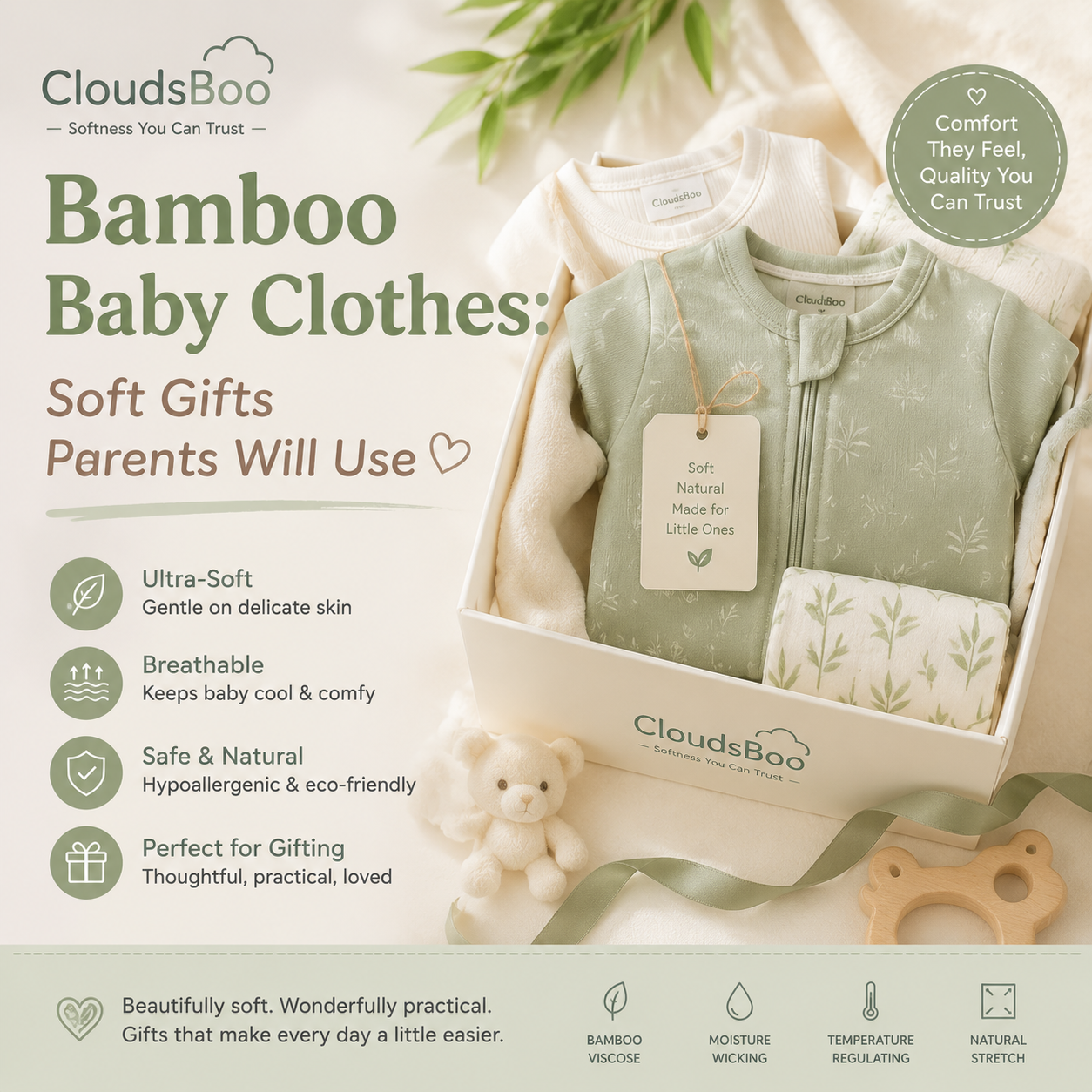
Soft as a secret, practical as a promise: bamboo baby clothes are fast becoming the kind of gift new parents actually use. Combining a silky hand-feel with breathable performance and a quietly eco-minded backstory, these garments bridge the gap between indulgence and everyday necessity.
Unlike frilly keepsakes that end up in a drawer, bamboo fabrics offer tangible benefits—natural temperature regulation, often hypoallergenic qualities, and easy care—that make them suited to the unpredictable rhythm of newborn life. Their appeal isn’t only tactile; many shoppers appreciate the lower environmental footprint and thoughtful manufacturing stories behind bamboo-based textiles.
This introduction explores why bamboo baby clothes stand out on registries and gift lists, what to look for when buying, and how to weigh comfort, durability, and sustainability so your present is as useful as it is gentle.
Table of Contents
- Why bamboo fabric comforts sensitive newborn skin
- Selecting the best bamboo onesies and sleepwear with fit and longevity in mind
- Washing and caring for bamboo baby clothes to preserve softness and shape
- Practical outfit recommendations for newborns through toddlers and changing seasons
- Evaluating certifications and sustainable brands parents can trust
- Q&A
- The Conclusion
Why bamboo fabric comforts sensitive newborn skin
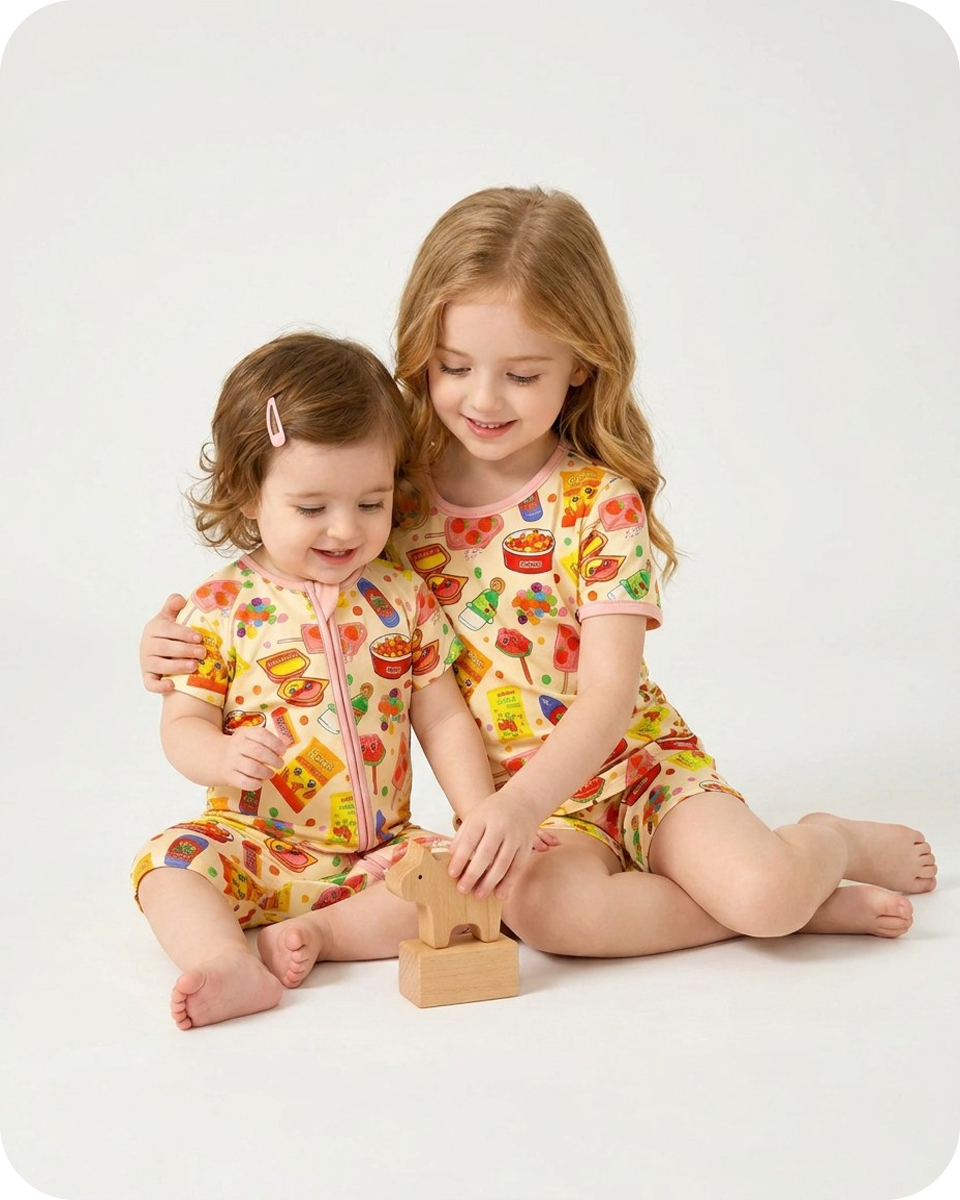
Like a whisper against a newborn’s cheek, bamboo fibers are spun into an ultra-soft cloth with a naturally smooth, round structure that reduces friction and irritation. Its inherent breathability and moisture-wicking ability help maintain a dry microclimate around delicate skin, while plant-derived antimicrobial properties cut down on odor-causing bacteria without harsh chemicals. The result is a fabric that feels luxe but behaves practically — gentle, cool in summer, and comfortably warm in cooler rooms.
The practical payoff for parents is simple: fewer red spots, less sweating under layers, and clothing that still feels cozy after many washes. Below are the core reasons families reach for bamboo garments:
- Softness: Low abrasion for tiny folds and creases.
- Breathability: Better air flow reduces sweat-related irritation.
- Hypoallergenic: Less risk of flare-ups for reactive skin.
- Thermoregulating: Balances warmth so the baby stays comfortable.
| Fabric | Softness | Breathability | Great for sensitive skin? |
|---|---|---|---|
| Bamboo | Very high | Excellent | Yes |
| Cotton | High | Good | Often |
| Synthetic | Medium | Poor to fair | Less likely |
Selecting the best bamboo onesies and sleepwear with fit and longevity in mind
Think beyond the tag — a great pick balances snug comfort with room to grow. Bamboo’s natural give lets garments hug without binding, so prioritize pieces with gentle stretch, cleverly placed snaps or zippers for easy diaper changes, and slightly longer sleeves or legs that can roll up. Choose styles with envelope necks, reinforced crotches, and adjustable cuffs; these small design decisions keep a onesie wearable through rapid growth spurts and reduce the need for constant size swapping.
- True-to-size measurements: check length and torso more than age labels.
- Fastening type: front zip vs. snaps — pick what suits your routine.
- Reinforcement: double-stitched seams and gussets extend life.
- Fabric weight: lighter for summer, midweight for year-round, heavier for cold months.
Longevity also comes from fabric quality and care. Look for pre-washed fabrics and eco-friendly dyes that resist fading, and favor medium-to-high GSM (grams per square meter) if you want pieces that withstand frequent washing. Simple maintenance — gentle cycles, low heat drying or air-dry, and avoiding harsh softeners — will preserve both softness and shape so the garment remains a go-to favorite.
| GSM | Best for | Longevity note |
|---|---|---|
| 120–150 | Warm climates, breathable daywear | Gentle, frequent washing is recommended |
| 160–200 | All-season sleepers and versatile onesies | Best balance of softness and durability |
| 200+ | Cooler weather layers, long-lasting basics | Heavier feel, holds shape after many washes |
Washing and caring for bamboo baby clothes to preserve softness and shape
Think of bamboo garments as delicate little clouds: they like gentle handling. Wash on a cold or cool cycle, turn items inside out, and use a mild, fragrance-free detergent to protect natural fibers. Avoid bleach and fabric softeners — these can break down the fabric and dull its plush feel. For machine loads, choose a short spin and wash bamboo pieces with similar lightweight items to prevent stretching or pilling.
- Do: Reshape while damp and lay flat or hang to dry in the shade.
- Don’t: Wring tightly or expose to prolonged direct sun.
- Dryer tip: If needed, tumble on low for a few minutes only to fluff, then air-finish.
| Care Step | Quick Recommendation |
|---|---|
| Water Temperature | Cold to protect softness |
| Detergent | Mild & gentle, avoid enzymes & brighteners |
| Drying | Air-dry or low tumble, reshape while damp |
Practical outfit recommendations for newborns through toddlers and changing seasons
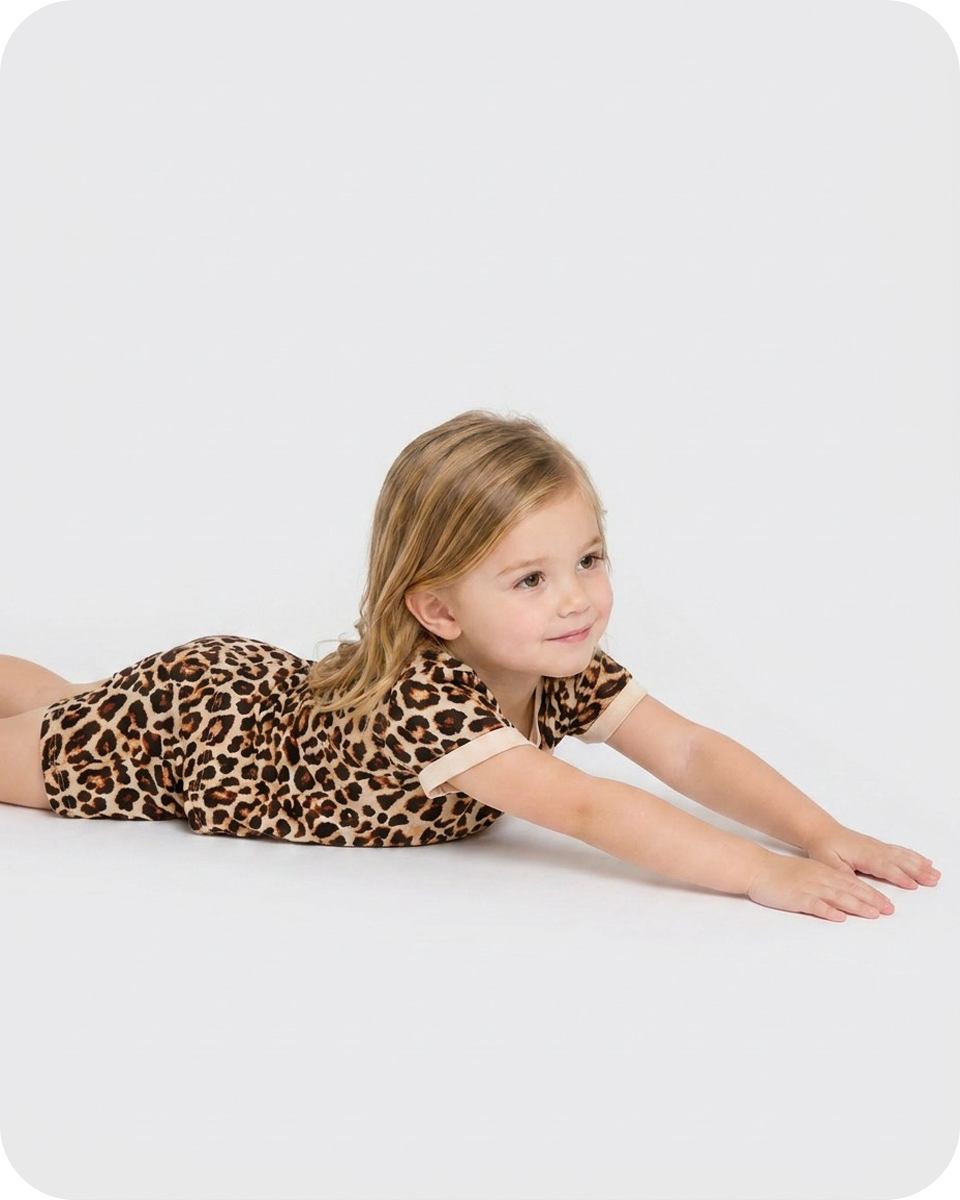
From the first tiny outfits to the energetic outfits of a busy toddler, focus on soft, functional pieces that grow with baby. Choose breathable bamboo viscose for close layers — it’s gentle on newborn skin and durable enough for toddler tumble. Staples to build around include:
- Newborn: zip-front onesies, bamboo swaddles, and sleep sacks for safe nights
- Infant: footed sleepers, mittens to prevent scratching, and stretch-waist pants
- Toddler: two-piece sets for independent dressing, reinforced knees, and lightweight jackets
A few pieces in neutral tones plus one fun print make mixing and matching simple while keeping laundry manageable.
Adapting outfits to the weather is easier with smart layering and a handful of go-to items. In cooler months, start with a snug base layer, add a breathable mid-layer, and finish with a windproof outer; in heat, opt for a single lightweight bamboo layer and a wide-brim hat. Quick dressing tips:
- Fast closures: zippers and snaps speed changes and diaper checks
- Size up slightly to allow room for layers and growth
- Always carry a spare: one extra outfit and a lightweight blanket for outings
| Season | Bamboo go-to |
|---|---|
| Summer | Light short-sleeve bodysuit |
| Spring/Fall | Long-sleeve layer + cardigan |
| Winter | Thermal base + fleece-lined bunting |
Evaluating certifications and sustainable brands parents can trust
Choosing bamboo baby clothes is as much about feel as it is about trust. Look for brands that share the story of the fiber—where the bamboo was grown, how the pulp was processed, and who finished the garment. A quick checklist can save time when shopping online or in-store:
- Transparency: clear product descriptions and supply-chain details.
- Third‑party testing: independent lab results for chemicals and dyes.
- Size of the brand: Smaller artisan lines can be ethical, but look for documented practices.
- Return & durability policies: garments that last reduce waste and show manufacturer confidence.
Not all seals mean the same thing; understanding what each certification covers helps parents decide quickly. The table below summarizes common marks and why they matter for baby skin and the planet.
| Certification | What it Covers | Why it Matters |
|---|---|---|
| GOTS | Organic fiber + environmental/social processing | Ensures low chemical use and fair labor practices |
| OEKO‑TEX Standard 100 | Tests for harmful substances in finished textiles | Provides consumer safety for baby’s skin |
| FSC / PEFC | Responsible forest/plantation management | Confirms a sustainable source of bamboo pulp |
| B Corp | Overall social and environmental performance | Signals a company-wide commitment, not just a product claim |
When in doubt, ask brands for recent test reports and a simple explanation of their supply chain; a trustworthy company will be happy to make those details easy to find.
Q&A
Q: What makes bamboo baby clothes a thoughtful gift?
A: Bamboo baby clothes combine a silky hand, good breathability, and an eco-friendly story that appeals to many new parents. They feel luxuriously soft against newborn skin and often come in simple, practical designs—qualities that make them useful, memorable gifts rather than novelty items that get stashed away.
Q: How does bamboo fabric actually feel compared with cotton?
A: Bamboo fabric—typically bamboo viscose or bamboo lyocell—tends to feel smoother and silkier than standard cotton. It drapes gently, which can make onesies and swaddles feel especially cozy. The difference is noticeable but subjective; some parents prefer the crispness of cotton while others favor bamboo’s softness.
Q: Are bamboo baby clothes safe for newborns?
A: Generally, yes, when they meet safety and flammability standards in your country. Bamboo fabrics are breathable and often low-irritant, but check labels for chemical treatments, flame retardants, or strong finishes. For sleepwear, follow safety guidelines about fit and layering to reduce risk.
Q: Can bamboo fabric help with sensitive skin or allergies?
A: Bamboo garments are often billed as “gentle,” and many parents find them comfortable for babies with sensitive skin. However, no fabric is guaranteed hypoallergenic for everyone—reactions can come from dyes, finishes, or laundry detergents rather than the fiber itself. If a baby has known skin conditions, test one item first or consult a pediatrician.
Q: Is bamboo clothing truly eco-friendly?
A: It can be, but the answer is nuanced. Bamboo, as a plant, grows quickly and needs little water or pesticides. The environmental footprint depends on how the fiber is processed: mechanically processed bamboo linen is more eco-friendly but rare; most baby clothes are made from bamboo viscose, which uses chemicals in production. Look for brands with closed-loop manufacturing, third‑party certifications, or transparent supply chains.
Q: What labels or certifications should I look for?
A: Useful marks include OEKO‑TEX (low‑chemical content), GOTS (organic textile processing, if applicable), FSC (responsible sourcing of raw bamboo), and certifications from reputable fiber processors (e.g., Lenzing™ for lyocell/Ecovero). Transparency about dyeing, wastewater treatment, and factory audits is also a good sign.
Q: How should parents wash and care for bamboo baby clothes?
A: Wash on a gentle cycle with cool or warm water and mild detergent. Avoid bleach and strong fabric softeners (they can reduce absorbency and affect softness). Tumble dry low or air dry; remove promptly to reduce wrinkles. Turn garments inside out to preserve prints and use low heat if ironing.
Q: Will bamboo clothes shrink or pill?
A: Some shrinkage is possible—about the same range as cotton—so follow care instructions and consider sizing up slightly if between sizes. Pilling can occur, especially on blends or lower-quality knits; higher-quality bamboo lyocell blends tend to resist pilling better.
Q: Are bamboo garments durable enough for everyday baby use?
A: Quality varies. Well-made bamboo blends can hold up to frequent washes, but pure bamboo viscose can be softer and more delicate than robust cotton. Look for reinforced seams, sensible construction, and customer reviews about longevity.
Q: Do bamboo fabrics have natural antibacterial properties?
A: Raw bamboo contains antimicrobial compounds, but most are removed during industrial processing. Some brands may apply antimicrobial finishes—check for verifiable testing rather than marketing claims.
Q: What types of baby clothing and accessories work best in bamboo?
A: Popular choices include onesies, sleepers, swaddles, sleep sacks, hats, and lightweight blankets. Bamboo works well for layering pieces and garments worn close to the skin because of its softness and breathability.
Q: Is bamboo clothing good for different climates?
A: Yes—bamboo fabric is breathable and has moisture-wicking properties, helping keep babies comfortable in warm weather. In cooler climates, it can still be used for layering; look for slightly thicker knits or blends for extra warmth.
Q: How do I choose the right size as a gift?
A: Baby sizing is variable. If possible, check the parents’ preferred brand and size. When unsure, choose a versatile size (0–3 or 3–6 months) or give a few smaller items with a gift receipt. Stretchy, adjustable designs and multipacks with different sizes are also practical.
Q: Any final tips for gifting bamboo baby clothes?
A: Prioritize quality and transparency—well-made basics are more likely to be used. Include a gift receipt and care instructions. If sustainability is important, ask brands about fiber processing and certifications. A mix of a soft bamboo onesie, a swaddle, and a hat makes a practical, elegant set that most parents will appreciate.
The Conclusion
Soft, practical, and quietly thoughtful, bamboo baby clothes make gifts that land where they matter most: in day-to-day use. Their gentle feel against newborn skin, combined with breathable, easy-care qualities and a smaller environmental footprint, means these garments are as useful to tired parents as they are comforting to little ones.
When choosing a set to give, look for trusted sizing, simple designs, and certifications that verify both fabric quality and responsible production. In the end, the best gift is one that keeps a baby cozy and gives parents one less thing to worry about—CloudsBoo bamboo clothing reflects this balance, offering softness, practicality, and comfort designed for everyday family life.