
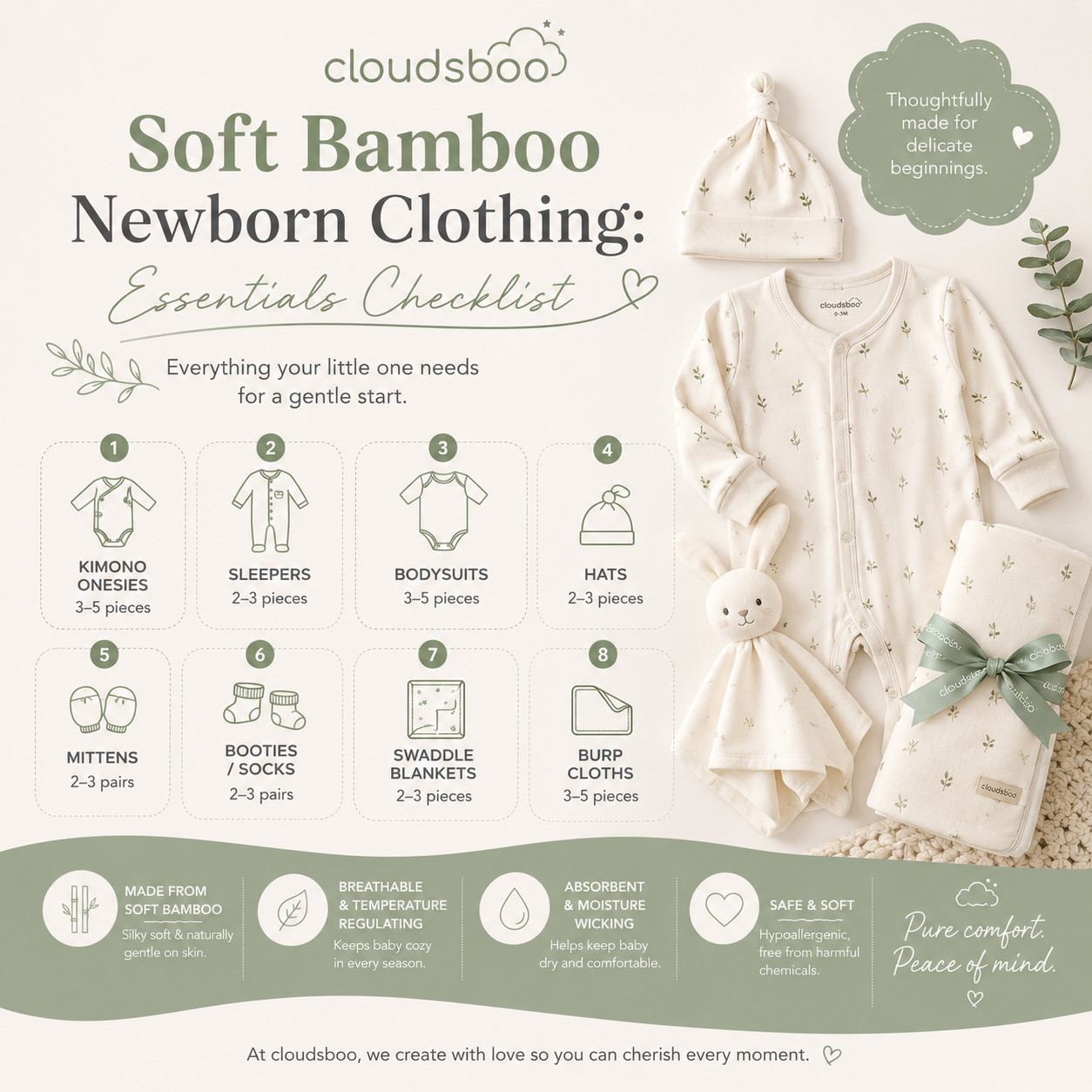
Bringing a newborn home rewrites the rules of wardrobe: tiny sizes, constant laundry, and an emphasis on comfort that feels like a gentle second skin. Soft bamboo fabric has quietly become a favorite for parents seeking breathable, moisture-wicking layers that are gentle on delicate skin. Its silky hand, natural thermoregulation, and eco-conscious origin make it well-suited to many infant basics without shouting for attention.
This article—Soft Bamboo Newborn Clothing: Essentials Checklist—will walk through the practical pieces and considerations for building a bamboo-based newborn wardrobe. Expect a clear rundown of must-haves (onesies, sleepers, swaddles, hats, and more), guidance on sizing and layering, safety and fabric-care tips, and a few notes on sustainability and cost. Whether you’re assembling a hospital bag or planning a minimalist nursery, this checklist helps you choose pieces that balance softness, function, and sensible longevity.
Table of Contents
- Choosing Pure Bamboo Viscose and Bamboo Cotton Blends for Delicate Newborn Skin
- Prioritizing Easy Dressing and Diaper Changes with Envelope Necks, Front Snaps, and Footed Sleepers
- Optimizing Breathability and Thermoregulation to Keep Baby Comfortable Year-Round
- Care and Longevity Tips to Preserve Softness with Gentle Detergent, Cold Rinse, and Air Drying
- Safety and Sustainability Checklist, including OEKO-TEX and GOTS Certification, Chemical-Free Finishes, and Secure Fasteners
- Q&A
- In Summary
Choosing Pure Bamboo Viscose and Bamboo Cotton Blends for Delicate Newborn Skin
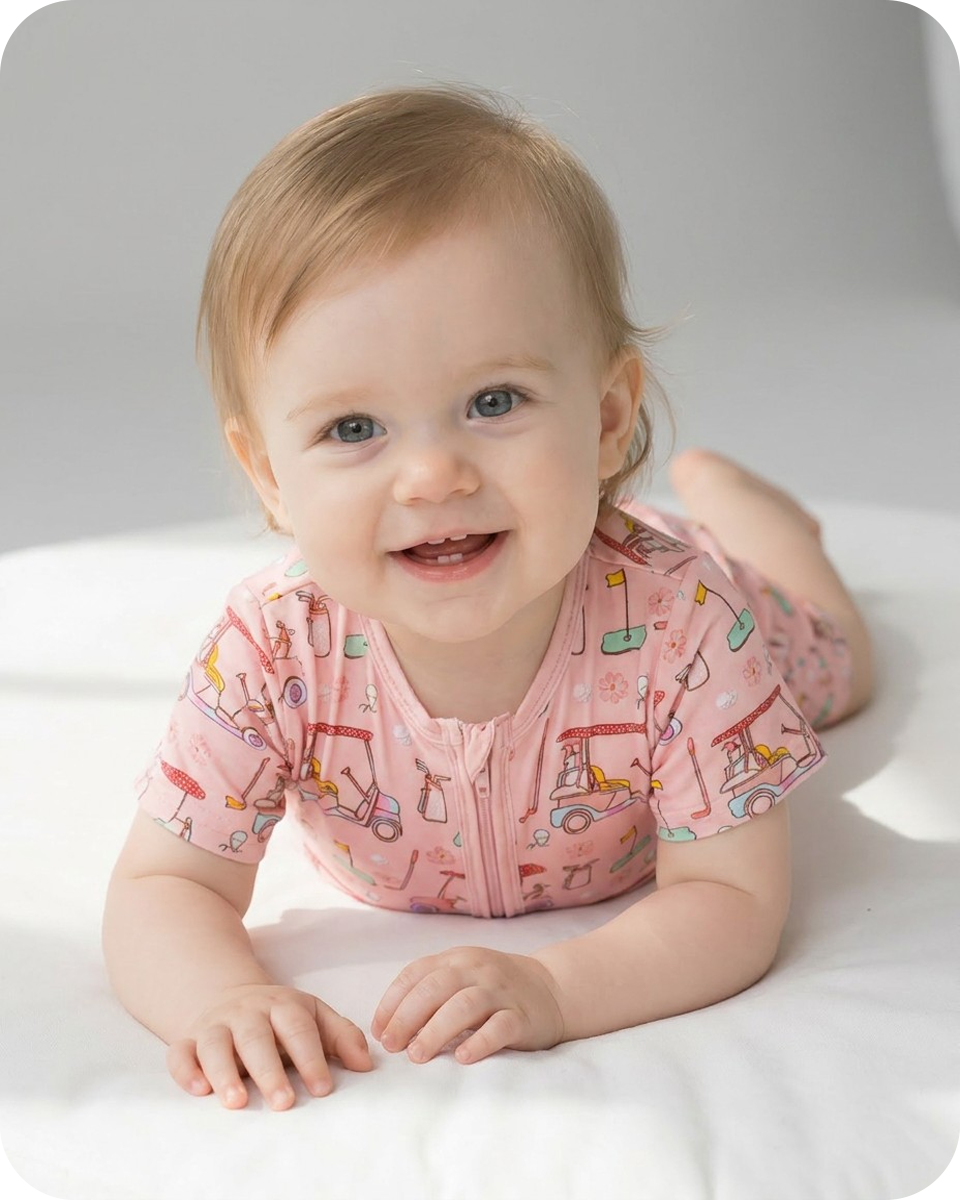
Imagine fabric that feels like a gentle cloud against a newborn’s skin — that’s the everyday reality of pure bamboo viscose. Its hallmark is an exceptionally smooth surface with natural breathability and moisture-wicking properties, which help regulate tiny body temperatures and reduce the chance of irritation. Parents often prefer it for pieces that sit next to the skin all day — bodysuits, sleepsacks, and swaddles — because it wears soft from the first wash and stays forgiving on sensitive skin.
- Look for certifications such as Oeko‑Tex or FSC to ensure low chemical processing.
- Choose bamboo‑cotton blends when you need structure or extra durability for frequently washed items.
- Prefer gentle closures like snaps and envelope necks to minimize rubbing.
Blends that mix bamboo with cotton strike a practical balance — they retain much of the softness while adding resilience and shape. If you want garments that keep their form after many washes or need a little more heft for outer layers, a bamboo‑cotton blend is a smart pick. For everyday newborn layers that demand unrivaled tenderness, stick with pure viscose; for playtime tees, outer rompers, and robust sleepwear, the blend offers longevity without sacrificing comfort.
| Attribute | Pure Bamboo Viscose | Bamboo‑Cotton Blend |
|---|---|---|
| Softness | Silky, plush | Very soft |
| Durability | Moderate | High |
| Best for | Next‑to‑skin essentials | Everyday wear & outer layers |
Prioritizing Easy Dressing and Diaper Changes with Envelope Necks, Front Snaps, and Footed Sleepers
Soft bamboo rompers that open wide at the shoulders and fasten across the front take the stress out of dressing a wriggly newborn. Envelope-style necks let you slide clothing on and off without wrestling with tiny heads, while strategically placed front snaps give instant access for diaper changes—no full disrobing required. Footed sleepers made from breathable bamboo keep little toes cozy without lost socks, and their seamless construction reduces irritation, so every change is faster and more comfortable for baby and parent alike.
When shopping, look for features that multiply convenience:
- Lap shoulders for easy top-down dressings
- Sturdy, nickel-free snaps that won’t pop open overnight
- Two-way closures for midnight diaper access
- Integrated feet to replace socks and simplify outfit layers
These small details turn routine outfit changes into quick, calm moments—especially during those sleepy 2 a.m. swaps.
Quick comparison for busy parents:
| Closure | Best for | Speed |
|---|---|---|
| Envelope neck | Head-first comfort | Fast |
| Front snaps | Full access for changes | Very fast |
| Two-way zipper | Single-handed night changes | Fastest |
Optimizing Breathability and Thermoregulation to Keep Baby Comfortable Year-Round
Bamboo’s natural breathability and soft hand feel make it a quiet superhero in your newborn’s wardrobe—wicking moisture away from delicate skin while allowing air to move freely. Choose pieces with a slightly loose cut and flat seams so the fabric can do its job without creating pressure points; this helps tiny bodies shed excess heat in warm rooms and trap a gentle layer of warmth when temperatures dip. Think of each garment as part of a small climate system: the right fabric, fit, and finish work together to keep core temperature steady and sleep uninterrupted.
- Layer Smart: base layer (bamboo bodysuit), mid layer (light sleepsuit), outer layer (cotton blend sleep sack).
- Opt for moisture-wicking: bamboo against the skin, breathable cotton, or bamboo blends for outer pieces.
- Minimal seams and tags: smoother contact reduces irritation and improves airflow.
- Adjustable pieces: snaps, stretch panels, and fold-over cuffs let you fine-tune warmth without bulk.
Use temperature cues rather than guesswork—check neck or chest for warmth and adjust layers accordingly. The quick reference below pairs seasons with simple layering guidance so you can respond fast and confidently to changing conditions in the nursery.
| Season | Suggested Layers | Room Temp (°F) | Quick Tip |
|---|---|---|---|
| Warm | Bamboo bodysuit + light sleepsuit | 68–72 | Skip hats indoors |
| Transitional | Base layer + thin sleep sack | 65–70 | Layer/remove at naps |
| Cool | Bamboo bodysuit + mid suit + sleep sack | 62–68 | Keep your head covered in drafts |
Care and Longevity Tips to Preserve Softness with Gentle Detergent, Cold Rinse, and Air Drying
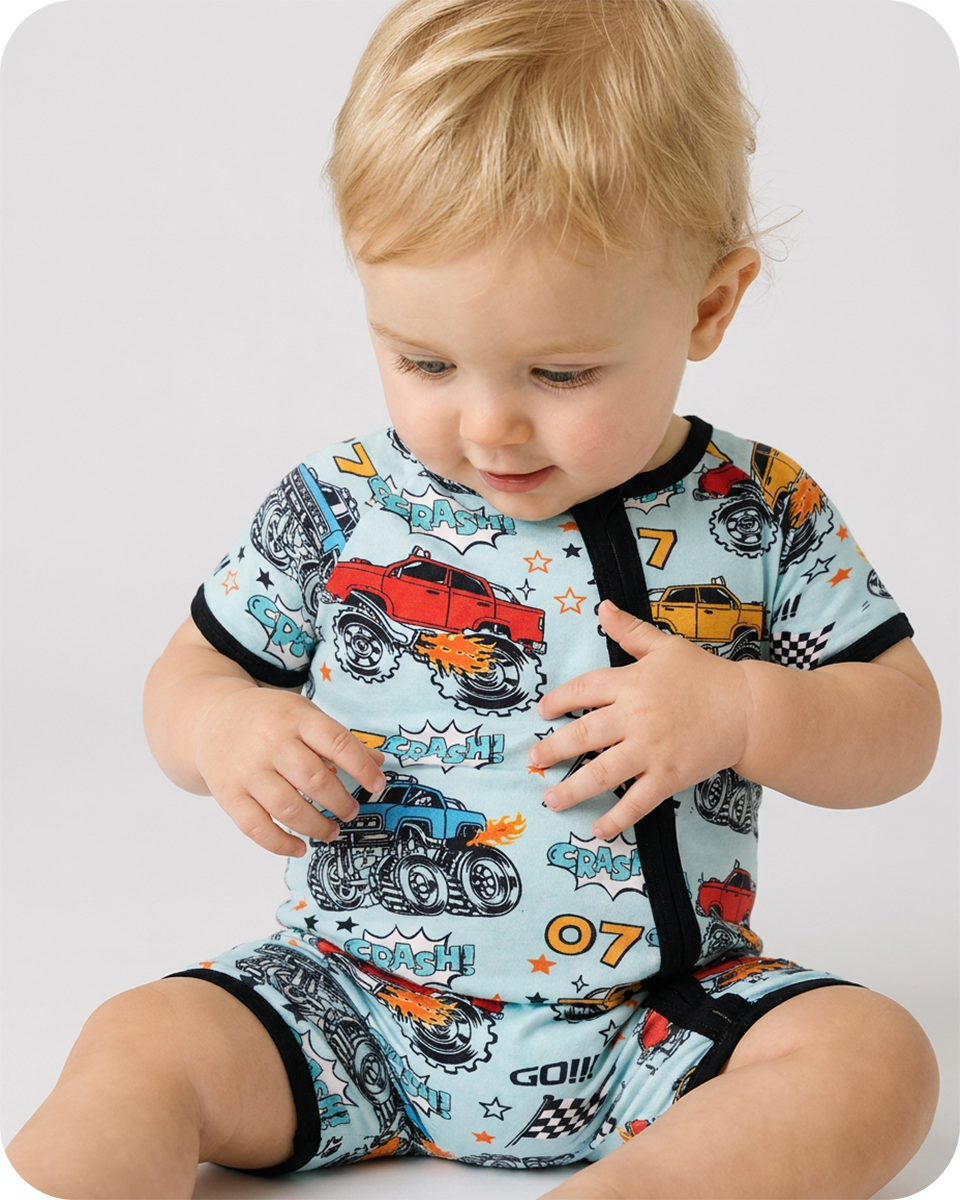
Think of each piece as a tiny cloud that needs gentle handling—wash only when necessary, and always opt for a mild, pH‑neutral detergent formulated for delicate fabrics. Use cold water on a short, gentle cycle and fasten snaps and zippers or place garments in a mesh laundry bag to prevent stretching and abrasion. Skip bleach and heavy fabric softeners; instead, a touch of white vinegar in the rinse (about ¼ cup) can naturally soften fibers and help preserve color and absorbency without coating the bamboo yarns.
After the wash, give the fabric room to breathe: reshape damp garments and air dry flat for knits or hang lightweight items in the shade to avoid sun‑bleaching. Tumble drying can be used sparingly on the lowest heat setting, but prolonged heat will shorten the lifespan of the fibers—air drying is kinder and keeps that signature softness. For storage, fold gently into breathable cotton bins or drawers, add a small cedar sachet to deter pests, and avoid vacuum‑sealing or plastic bags, which can trap moisture and dull fabrics over time.
- Wash: cold, gentle cycle
- Detergent: mild, fragrance‑free
- Rinse: cold; add ¼ cup white vinegar for softness
- Dry: air dry in shade; low tumble only if necessary
- Storage: breathable containers; avoid plastic
| Step | Temp | Why |
|---|---|---|
| Quick wash | Cold | Prevents shrinkage & color loss |
| Gentle rinse | Cold | Removes detergent residue |
| Air dry | Room temp | Maintains softness & shape |
Safety and Sustainability Checklist, including OEKO-TEX and GOTS Certification, Chemical-Free Finishes, and Secure Fasteners
Choose certified, gentle materials — look for OEKO‑TEX and GOTS marks on the label as your first filter: OEKO‑TEX confirms the fabric is tested for harmful substances, while GOTS adds organic-fiber and social-responsibility guarantees. Prioritize garments with clear statements about chemical-free finishes (no formaldehyde, no azo dyes, no added flame retardants) and wash-tested colorfastness. Small details matter: soft, flat seams, tagless labels or printed tags, and breathable weaves help prevent irritation and overheating.
- Label verification: certification number or logo visible
- Finish safety: “no added chemicals” or low-impact dyeing
- Skin-friendly design: tagless, soft seams, gentle elastics
- Care instructions: safe washing preserves finish and fit
Fasteners should be both easy for adults and secure for babies — opt for well-attached snaps, covered zippers, and reinforced button channels. Look for nickel-free or coated hardware and test any closures for torque and pull resistance. The following quick reference helps you spot the essentials at a glance:
| What to check | Why it matters |
|---|---|
| OEKO‑TEX / GOTS label | Verified low-toxicity and sustainable production |
| Chemical‑free finish note | Safer next-to-skin contact, fewer allergic triggers |
| Secure, covered fasteners | Reduces choking risk and keeps the baby comfortable |
Q&A
Q: What makes bamboo fabric a good choice for newborn clothing?
A: Bamboo fabrics are prized for their soft, smooth feel, good breathability, and natural moisture-wicking properties. Many parents find them comfortable for newborn skin and suitable for layering. Keep in mind that “bamboo” can mean different processes (viscose/rayon, lyocell), which affect texture and environmental impact.
Q: Which bamboo items should be on a newborn essentials checklist?
A: Core items include onesies/bodysuits, sleepers/sleep sacks, swaddles or wraps, soft hats, mittens, socks, bibs and burp cloths, and a few cardigans or zip-up layers. A bamboo blanket and a couple of gowns or nightwear pieces are useful too.
Q: How many of each item should I buy before the baby arrives?
A: As a guideline: 6–10 onesies, 4–6 sleepers, 3–6 swaddles, 3–4 hats, 4–6 pairs of socks/mittens, 8–12 bibs/burp cloths, 2–4 cardigans or outer layers, and 1–2 blankets. Newborn feeding and messes mean frequent changes, so err on the generous side but avoid excessive buying—babies grow fast.
Q: What sizes should I choose?
A: Buy a small mix: a few newborn-sized pieces plus more in 0–3 months. Size labeling varies by brand; many newborns fit 0–3 months quickly, so prioritize that size for quantity and keep only a few true newborn items.
Q: How do I check the quality of bamboo baby clothes?
A: Inspect seams, snap and zipper quality, and overall stretch and recovery. Look for secure, flat seams that won’t irritate skin and well-finished openings. Test softness and check for pilling or thinning that indicates lower durability.
Q: Are bamboo garments safe for sensitive skin or allergies?
A: Bamboo fabric is often comfortable for sensitive skin because of its softness and breathability, but no fabric is guaranteed hypoallergenic. If your baby has known allergies or a skin condition, test one garment first and consult your pediatrician if you notice irritation.
Q: How should I launder bamboo baby clothes?
A: Wash before first use. Use a mild, baby-safe detergent, cold or warm water, and a gentle cycle. Avoid bleach and strong fabric softeners (they can reduce absorbency). Air drying or tumble drying low preserves fabric; iron on low if needed. Turn garments inside out and fasten snaps/zippers to reduce wear.
Q: Are there special safety considerations for bamboo sleepwear?
A: Yes. Follow standard infant sleep safety: choose well-fitting sleepwear without loose ties or embellishments, and use sleep sacks or wearable blankets instead of loose blankets. For flame-safety standards, check local regulations—tight-fitting garments are treated differently from loose-fitting sleepwear.
Q: How eco-friendly is bamboo clothing really?
A: Bamboo, the plant grows quickly and typically needs less water and pesticides than some alternatives. However, converting bamboo into soft fibers often requires chemical processing. For a better environmental profile, look for closed-loop manufacturing processes or certifications that signal lower-impact processing.
Q: What certifications should I look for?
A: Useful labels include OEKO-TEX Standard 100 (tests for harmful substances) and, where applicable, certifications indicating closed-loop or low-impact viscose production (e.g., TENCEL™/LENZING™ for lyocell/Modal). For broader textile standards, GOTS applies mainly to organic cotton rather than bamboo viscose.
Q: How does bamboo compare to organic cotton or merino?
A: Bamboo tends to be softer and more moisture-wicking; organic cotton is breathable and familiar with strong eco-credentials when certified; merino wool offers excellent warmth and odor resistance for cold climates. Each fiber has trade-offs in comfort, durability, care, cost, and environmental footprint.
Q: Do bamboo clothes last through multiple babies or resell well?
A: Quality bamboo items can last multiple uses with proper care, but some bamboo viscose variants pill or thin faster than durable cotton knits. Neutral-colored, well-kept pieces without stains resell best. Check garment condition and brand reputation if longevity is a priority.
Q: Any tips for choosing colors, closures, and styles?
A: Choose simple, practical styles—envelop necks, snap or zip closures for easy changes, and muted or stain-friendly colors. Unisex designs are useful if you want reusability or plan to resell. Avoid small decorative pieces that pose choking risks.
Q: What should I avoid when buying bamboo newborn clothing?
A: Avoid garments with loose buttons, rough tags, or heavy embellishments. Be cautious with brands that lack transparency about fiber processing and dye safety. Also avoid fabric softeners and harsh detergents in care, even if the clothing looks robust.
Q: Final quick checklist to print or save?
A: Essentials: 6–10 onesies, 4–6 sleepers, 3–6 swaddles, 3–4 hats, 4–6 socks/mittens, 8–12 bibs/burp cloths, 2–4 layering pieces, 1–2 blankets. Care: wash before use, mild detergent, gentle cycle, air or low temp dry, avoid bleach/softener. Safety: snug sleepwear, no loose décor, check certifications for dyes/processing.
If you’d like, I can convert this into a printable checklist or a short buyer’s guide for new parents.
In Summary
At Cloudsboo, we believe nursery essentials should feel as gentle and comforting as a parent’s touch. Soft bamboo favorites—onesies, sleepers, swaddles, and tiny socks—offer the perfect balance of comfort, breathability, and everyday practicality for your newborn’s first months. By choosing a few thoughtfully made basics in the right sizes and fabrics, you can simplify dressing, laundry, and those frequent nighttime changes.
Use this checklist as a flexible guide rather than a strict rulebook. Prioritize softness, comfort, and versatility, keep a manageable number of outfits on hand, and include layering pieces for changing temperatures. Small choices today—such as selecting quality bamboo fabrics, planning for growth, and following simple care instructions—can make daily routines smoother and more enjoyable.
Whether you’re preparing for your baby’s arrival or refreshing your nursery essentials, Cloudsboo is here to help you create a cozy, practical wardrobe filled with soft, dependable bamboo pieces. Keep what works, adjust as your little one grows, and enjoy every precious moment along the way.