
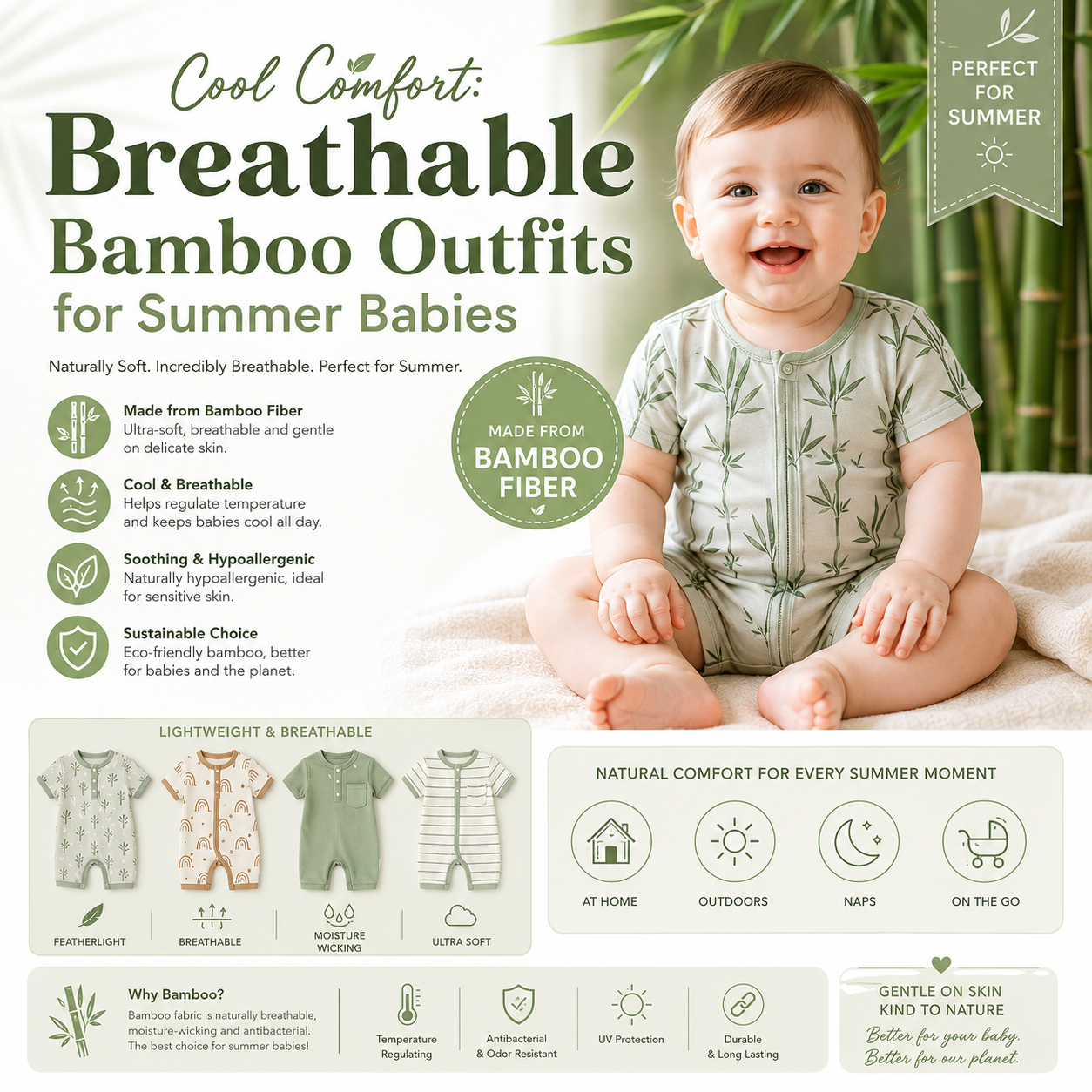
High summer arrives like a slow, golden sigh: stroller wheels hum along sun-warmed sidewalks, tiny knees peep out from rompers, and every parent wonders how to keep their little one cool, comfortable, and content. Breathable bamboo outfits slip into that space between practicality and poetry—soft, lightweight garments that promise to help babies face warm days without fuss.
Bamboo-derived fabrics are often celebrated for their silky hand, natural breathability, and moisture-wicking qualities, making them an appealing choice when the mercury climbs. Beyond comfort, many caregivers appreciate the gentle touch and understated style these pieces bring to a summer wardrobe. In this article, we’ll explore what makes bamboo outfits a thoughtful option for hot-weather dressing, how to choose the right pieces for your baby, and the practical considerations that help keep comfort a top priority on sunlit days.
Table of Contents
- How bamboo fabric keeps babies cool with superior breathability and moisture management
- Top bamboo pieces for summer play and sleep, from lightweight onesies to protective sun hats
- Fit, layering, and closures that promote airflow and comfort for active little ones
- Care and laundering strategies to preserve softness, shape, and breathable performance
- Evaluating safety and sustainability with certifications, responsible blends, and smart buying tips
- Q&A
- In Retrospect
How bamboo fabric keeps babies cool with superior breathability and moisture management
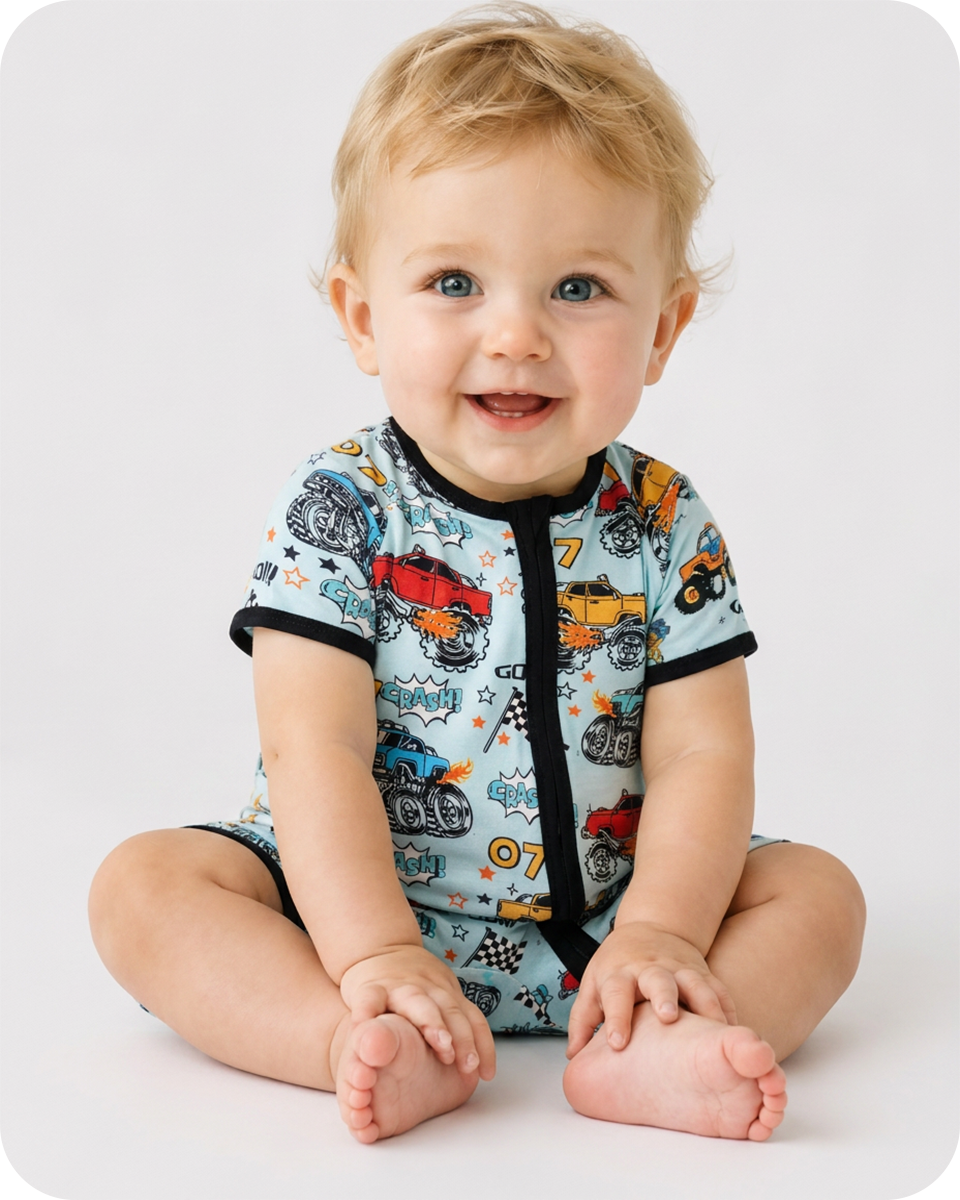
Bamboo’s natural fiber structure works like a tiny air conditioner for delicate skin: its fine, hollow microfibers create channels that promote airflow and help dissipate body heat, so little ones stay comfortably cool even during midday naps. The fabric also pulls moisture away from the skin and releases it quickly into the air, reducing cling and the soggy feeling that can trap heat. Because bamboo feels luxuriously soft and drapes lightly, it minimizes friction and irritation—an important plus for sensitive newborn skin—and its inherent breathability helps reduce the frequency of overheated wake-ups.
Parents notice practical wins right away: fewer outfit changes, calmer sleep, and less tugging at sweaty layers. Key advantages include:
- Superior breathability that keeps air moving around the body
- Effective moisture-wicking that speeds evaporation and keeps skin dry
- Gentle on sensitive skin with a soft, non-abrasive hand
- Lightweight layering is ideal for unpredictable summer weather
| Fabric | Breathability | Moisture-wicking |
|---|---|---|
| Bamboo | High | High |
| Organic Cotton | Medium | Medium |
| Synthetic Blend | Low | Low |
Top bamboo pieces for summer play and sleep, from lightweight onesies to protective sun hats
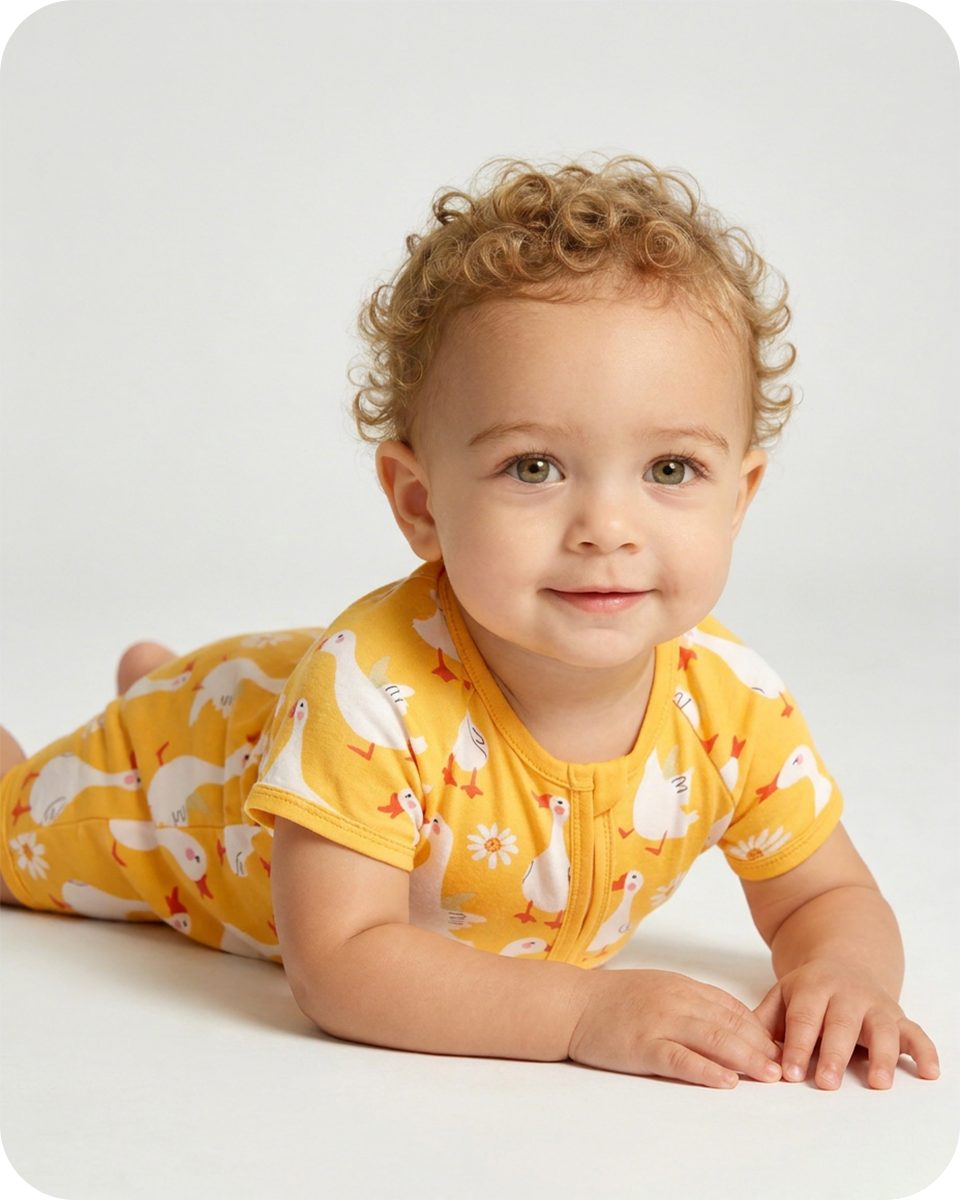
Bamboo staples turn summer days into a soft, fuss-free experience—think airy layers that move with little ones and sleep pieces that wick moisture as temperatures rise. Choose pieces made from bamboo viscose for a feather-light hand feel and natural breathability; look for blends with a touch of organic cotton or spandex for durability and stretch. Favorites to stash in the nursery include:
- Featherweight onesies — snap closures for quick changes, ultra-breathable bodies for daytime play.
- Short rompers — roomy legs and gentle necklines for crawling and sun-soaked park sessions.
- Sleep sacks — thin, breathable layers that reduce overheating overnight.
- UPF sun hats — wide brims, soft crowns, natural UV resistance for delicate skin.
- Light tee & short sets — quick-dry for splash time and easy mix-and-match.
| Piece | Best for | Key feature |
|---|---|---|
| Onesie | Everyday wear | Feather-light & breathable |
| Sleep sack | Naptime & night | Moisture-wicking warmth |
| Sun hat | Outdoor protection | Soft brim with UPF |
| Rompers | Playtime | Stretchy comfort |
For easy care and longevity, wash on cold, avoid high-heat drying, and rotate pieces so bamboo fibers keep their loft. Layer a light tee under rompers for cooler mornings, and pick hats with chin straps for active toddlers—little adjustments that make summer safe, breezy, and effortlessly cozy.
Fit, layering, and closures that promote airflow and comfort for active little ones
Choose garments that skim the body without clinging — a gentle, breathable drape lets air circulate while still keeping little movers safe and secure. Look for slightly tapered shoulders and a relaxed torso so layers don’t bunch when baby crawls; flat seams, tag-free labels, and soft ribbing at cuffs help prevent irritation while maintaining ventilation. Elastic waists and roomy leg openings give freedom to kick and play, and fabrics with natural stretch keep hems from twisting, reducing trapped heat around the waist and neck.
Smart layering and clever fastenings make dressing simple and keep airflow steady: lightweight, single-layer pieces closest to skin, a thin cover for shade, and a removable topper for cool afternoons. Opt for envelope necks and wide armholes for easy changes, two-way zippers for quick diaper access, and rows of snaps that won’t pinch. Avoid heavy studs and dense linings; instead, favor open-knit cardigans or mesh panels for brief sun protection without overheating.
- Envelope necks: ideal for head-first dressing, low-restriction airflow.
- Two-way zippers: fast diaper changes, keep torso ventilation adjustable.
- Snaps and stretch hems: secure fit with minimal bulk.
| Piece | Best Closure | Airflow |
|---|---|---|
| Onesie | Snap crotch | High |
| Rompers | Two-way zip | Medium |
| Coverup | Open-front knit | High |
Care and laundering strategies to preserve softness, shape, and breathable performance
Think of each garment as a tiny cloud that needs gentle handling: wash bamboo baby clothes on a cold, gentle cycle with a mild, fragrance-free detergent to keep fibers soft and breathable. Skip bleach and fabric softeners—these can coat the yarn and reduce airflow. Fasten snaps and zippers, turn printed pieces inside out, and use a mesh bag for tiny items to prevent stretching and snagging. Treat stains promptly with a gentle enzyme-based spot remover and avoid prolonged soaking, which can damage the natural bamboo fibers.
- Water temperature: Cold to warm (max 30°C/86°F) — preserves softness and color.
- Detergent: Mild, eco-friendly, fragrance-free — protects delicate fibers.
- Drying: Air-dry flat or tumble low — reshape garments while damp to retain form.
- Storage: Folded in a breathable drawer or cotton bag — avoid wire hangers that stretch shoulders.
To maintain breathable performance, avoid high heat: hot dryers and irons can weaken the yarn and reduce moisture-wicking ability. If you need to iron, use the lowest setting and a pressing cloth. Rotate favorites to reduce wear, and store outfits in a cool, dry spot to prevent mildew and preserve that feather-soft feel. For quick reference, use the table below when sorting laundry to keep the routine simple and safe.
| Care Step | Why it matters | Quick tip |
|---|---|---|
| Machine wash | Gentle action protects fibers | Use a mesh bag for tiny garments |
| Drying | Low heat preserves shape and breathability | Lay flat and reshape while damp |
| Ironing & storage | Low heat keeps fibers intact; proper storage prevents stretching | Fold, don’t hang; iron inside out if needed |
Evaluating safety and sustainability with certifications, responsible blends, and smart buying tips
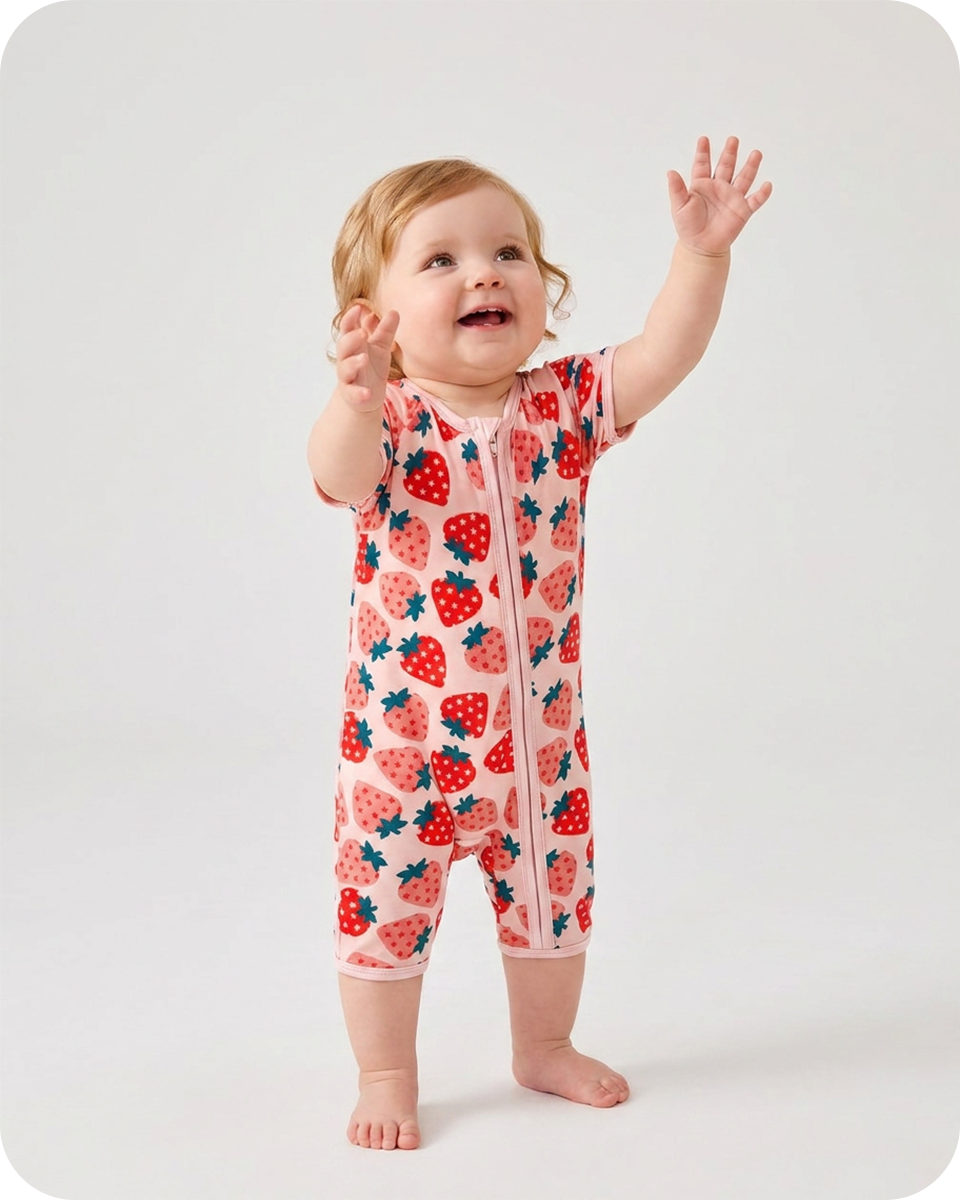
Softness and breathability matter, but for summer babies the behind‑the‑label stories matter even more. Look for textiles certified by OEKO‑TEX® Standard 100 (safety from harmful chemicals) or GOTS (organic fiber and responsible processing), and favor fibers processed in a closed‑loop (lyocell) system rather than generic “viscose” where chemicals can be intensive. Responsible blends — for example, bamboo viscose blended with organic cotton for strength, or bamboo + lyocell for extra breathability — can balance softness, durability, and environmental impact. Avoid heavy synthetic mixes that trap heat; the goal is natural airflow and gentle finishes that won’t irritate baby’s skin.
When shopping, use a few simple checks to separate hype from honest comfort:
- Read labels for fiber content and care symbols — lighter GSM and looser knits mean more airflow.
- Check certifications listed on tags and product pages; photos of test reports or mill partners are a plus.
- Inspect construction (flat seams, secure snaps) and prefer soft, pastel dyes that are colorfast and low‑impact.
| Certification | Verifies | Why does it matter for baby clothes |
|---|---|---|
| OEKO‑TEX Standard 100 | Low‑chemical textiles | Reduces skin irritants |
| GOTS | Organic fibers + processing | Cleaner farming and dyeing |
| TENCEL™ / Lyocell | Closed‑loop fiber processing | Lower environmental footprint |
Q&A
Q: What makes bamboo fabric a good choice for summer baby clothes?
A: Bamboo fabrics tend to be lightweight, soft, and highly breathable. Their natural fiber structure and moisture-wicking properties help move sweat away from baby’s skin, which can feel like a cool, dry whisper on a hot day—helpful for keeping little ones comfortable in summer.
Q: Is bamboo fabric actually breathable?
A: Yes. Bamboo-derived textiles (especially those processed into lyocell/Modal or viscose) allow good air circulation and evaporative cooling. Breathability will vary by weave, weight and finish, so choose lightweight, loosely woven garments for the warmest weather.
Q: Are bamboo clothes safe for newborns and infants?
A: Generally, yes. Many parents choose bamboo for its softness and gentleness. For safety, follow standard guidelines: use snug-fitting outfits for sleep to reduce fire-hazard risk, avoid loose layers in the crib, and consult your pediatrician if your baby has skin conditions or special medical needs.
Q: Does bamboo reduce the risk of overheating or heat rash?
A: Bamboo’s moisture-wicking and breathable qualities can help reduce clamminess and may lower the chance of heat-related discomfort. It isn’t a guarantee against overheating; room temperature, clothing layers, and infant age/health also matter. Monitor your baby’s temperature and follow safe-sleep recommendations.
Q: Is bamboo hypoallergenic or antibacterial?
A: Bamboo is often marketed as hypoallergenic and antibacterial, and some fibers can inhibit bacterial growth better than synthetic fabrics. However, claims vary by processing and finishing—if your baby has allergies or eczema, do a patch test and consult a pediatrician before relying on such claims.
Q: How do I know which type of “bamboo” fabric I’m buying?
A: Labels may say “bamboo viscose,” “bamboo rayon,” “bamboo lyocell,” or “bamboo linen.” Viscose/rayon is soft but chemically processed; lyocell is usually produced in a more closed-loop process and has stronger environmental credentials. Bamboo linen (mechanically processed) is rarer and more textured. Look for transparent brand information and certifications.
Q: What certifications or labels should I look for?
A: Helpful certifications include OEKO‑TEX Standard 100 (tests for harmful chemicals), GOTS (for organic fibers—note: applies to natural fibers and may not cover all bamboo viscose), and Lenzing/ECOLABEL for responsibly produced lyocell. Don’t hesitate to ask brands about their processing methods.
Q: How should I wash and care for bamboo baby clothes?
A: Wash on a gentle cycle with mild detergent, in cool or warm water. Avoid bleach and heavy fabric softeners (they can reduce absorbency). Line-dry or tumble-dry low to preserve softness and reduce shrinkage. Turn garments inside out to protect prints and seams.
Q: Will bamboo clothing shrink or pill?
A: Bamboo viscose can shrink if exposed to high heat and may be more delicate when wet, so gentle care helps. Some pilling can occur over time with friction, especially on blends. Following care instructions extends life and minimizes these issues.
Q: Is bamboo fabric more expensive than cotton?
A: Often yes—soft, sustainably produced bamboo garments can cost more than basic cotton due to processing and smaller production runs. Compare by quality, certifications and brand transparency rather than price alone.
Q: How do I choose the right weight and weave for summer outfits?
A: For hot weather, opt for lightweight fabrics and looser weaves—thin jersey, gauze, or voile styles are ideal. Look for garments marketed as “lightweight,” “summer,” or with GSM (grams per square meter) on the lower end; these provide better airflow.
Q: Can bamboo be used for swaddles, sleep sacks, and bibs?
A: Yes. Bamboo’s softness and absorbency make it great for swaddles, sleep sacks, and burp cloths. For sleepwear, ensure the garment fits appropriately (snug for infants in some jurisdictions) and follows safe-sleep guidance.
Q: What about durability—will bamboo clothing hold up to frequent washing?
A: Quality bamboo garments can be durable, but longevity depends on the fiber type and garment construction. Lyocell blends often hold up well; viscose can be more delicate. Gentle washing and low-heat drying increase lifespan.
Q: Can bamboo help babies with sensitive skin or eczema?
A: Many parents find bamboo soothing for sensitive skin due to its softness and breathability. However, individual reactions vary. Do a small patch test and consult your pediatrician or dermatologist for children with eczema or severe sensitivities.
Q: How can I tell if a brand is truly eco-friendly?
A: Look beyond “bamboo” buzzwords. Check for process transparency (closed-loop production, solvent recovery), third-party certifications (OEKO‑TEX, Lenzing), supply chain information, and credible sustainability claims. Growing bamboo is eco-friendly, but processing can affect the overall footprint.
Q: Are there any downsides to using bamboo for baby clothes?
A: Potential downsides include variable manufacturing practices (chemical processing for some bamboo fabrics), higher cost, and possible shrinkage or reduced durability if not cared for properly. Also, not all antibacterial or hypoallergenic claims are equally substantiated.
Q: Any practical tips for dressing a summer baby in bamboo?
A:
– Use lightweight bamboo layers that breathe.
– Dress in one more layer than an adult would wear and check the baby’s neck or chest for warmth.
– For sleep, prefer snug-fitting options as recommended by safety guidelines and avoid loose bedding.
– Rotate garments—giving fabrics time to rest extends their life—and wash gently.
Q: When should I consult a professional about using bamboo clothing?
A: If your baby has persistent skin irritation, eczema, or suspected allergies, consult your pediatrician or dermatologist before changing fabrics. For safety questions about sleepwear and fire regulations, refer to local guidelines and product labels.
If you’d like, I can turn this into a printable FAQ sheet or tailor the answers for newborn parents, toddlers, or eco-conscious shoppers. Which would you prefer?
In Retrospect
As the sun stretches longer into the day and little feet discover new summer adventures, clothing that works as gently as a caregiver’s touch becomes indispensable. Breathable bamboo outfits offer a serene blend of airy comfort, soft-to-the-skin texture, and straightforward care—qualities that help keep summer babysuits both practical and pleasant.
Choosing bamboo pieces for warm-weather wardrobes isn’t about following a trend so much as selecting fabrics that respond to heat and movement with quiet efficiency. Pair lightweight onesies with a hat for midday naps, opt for breathable rompers for playtime, and keep an extra layer on hand for cooler evenings.
In the end, summer dressing is about balance: comfort, protection, and ease for both baby and parent. If you’re weighing options for the season ahead, let the gentle performance of bamboo be one of the thoughtful considerations in your baby’s sunny-day lineup.