
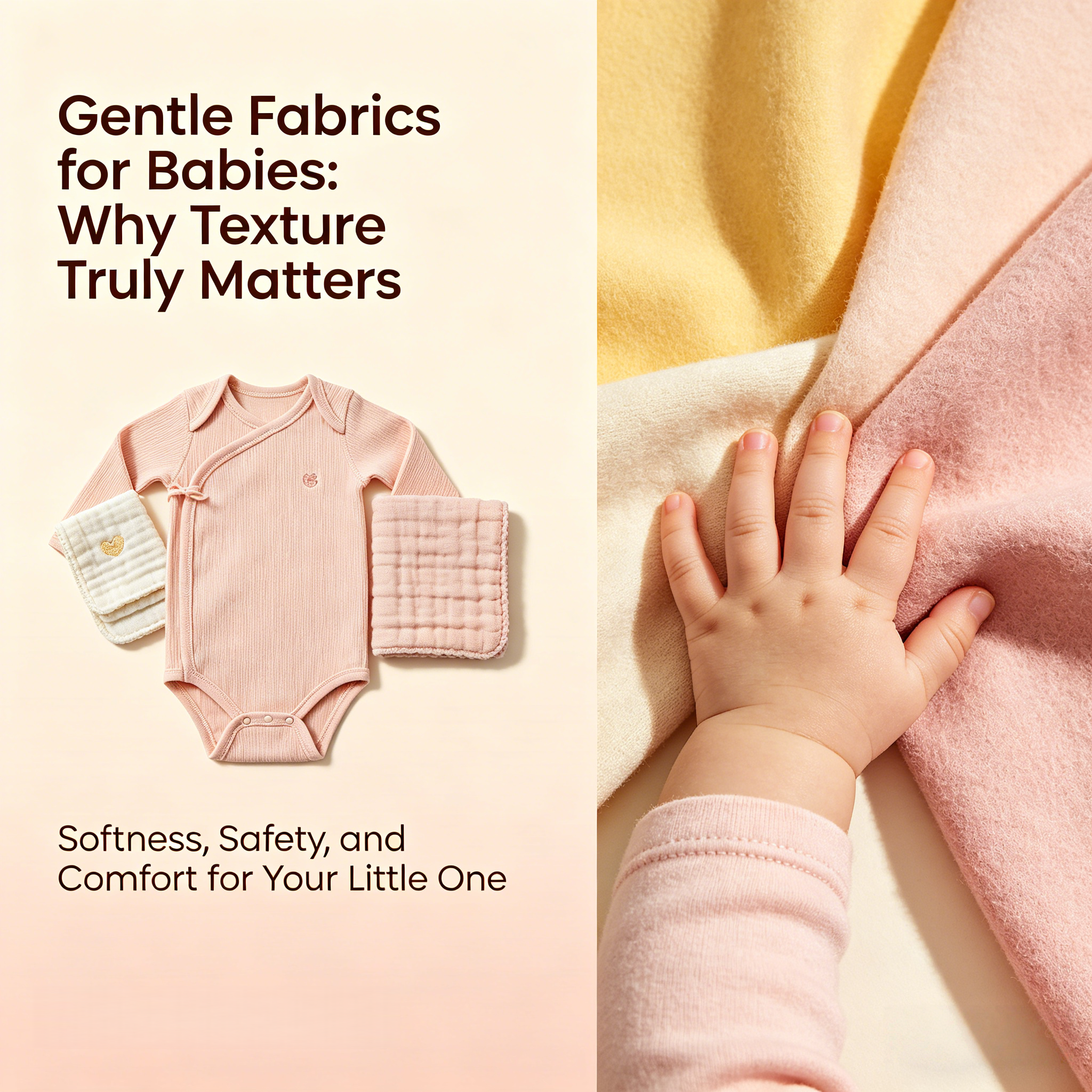
A newborn’s world is a landscape of touch: soft folds of swaddles, the whisper of a receiving blanket against a cheek, the reassuring contour of a caregiver’s sweater. For babies, texture is more than a detail—it’s a first language. Fabric that cradles rather than irritates can shape comfort, sleep, and early sensory impressions in ways that parents often notice before they can explain.
This article explores why the feel of a fabric matters as much as its fiber content. We’ll look at how weave, weight, and surface finish influence breathability and skin response, how different materials interact with delicate or reactive skin, and how tactile qualities support a baby’s emerging sensory world. Practical considerations—washing, durability, and safety—will also factor into choosing textiles that balance gentle touch with everyday life.
Whether you’re outfit shopping, curating a nursery, or simply folding the laundry, understanding texture helps you make calmer, more informed choices. Read on to discover how the right fabrics can quietly support a baby’s comfort and development from the very first touch.
Table of Contents
- Why Texture Matters More Than Thread Count for Delicate Baby Skin
- From Organic Cotton to Tencel and Modal: Fabrics That Soothe and When to Use Them
- Practical Care to Preserve Softness and Protect Sensitive Skin
- Decoding Labels, Certifications, and Common Additives to Avoid When Shopping
- Q&A
- In Retrospect
Why Texture Matters More Than Thread Count for Delicate Baby Skin
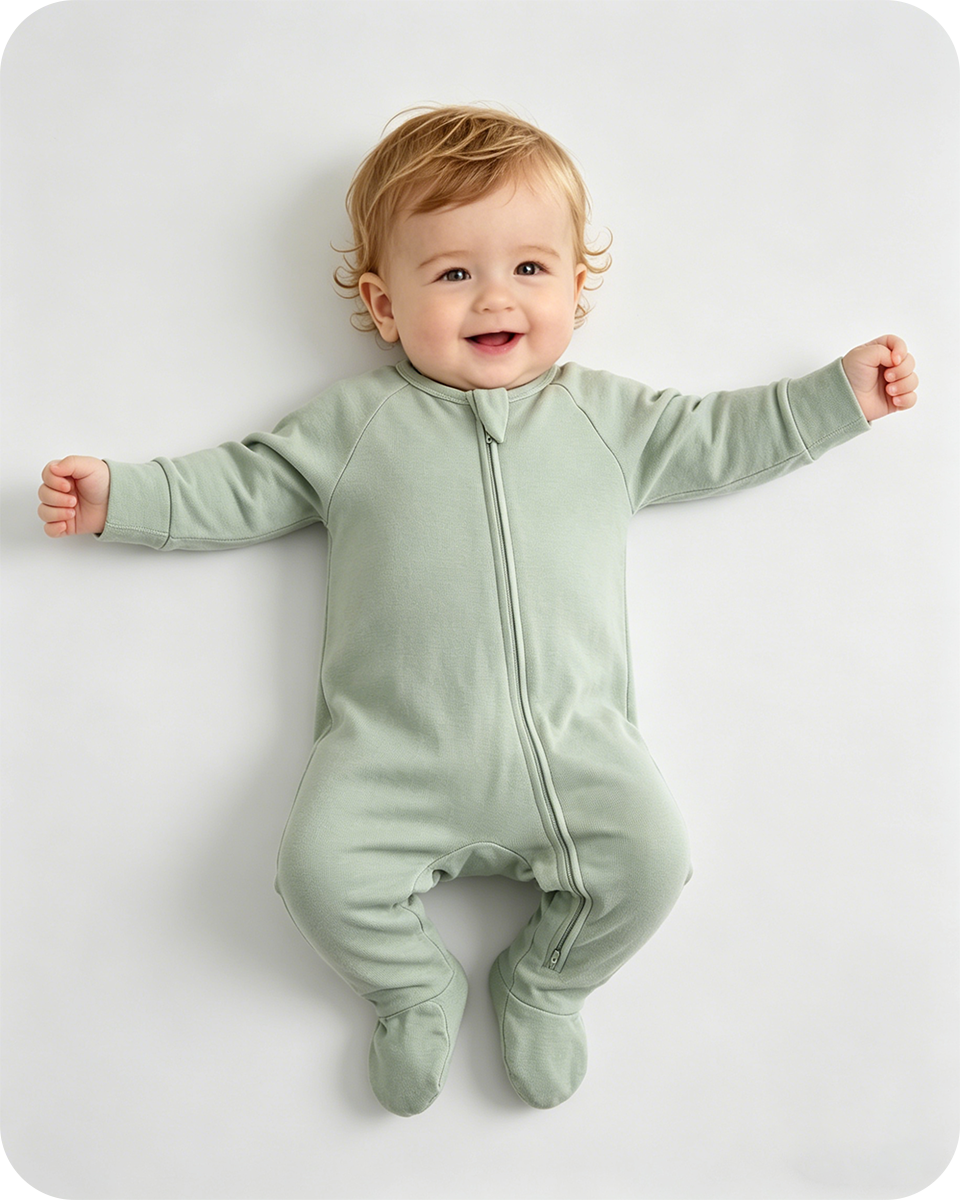
When you set your fingers on a swaddle or onesie, what really greets your baby’s skin is the surface — the weave, the finish, the tiny loops or smoothness — not a number on a label. Soft, low-friction textures reduce micro-abrasions and minimize trapped heat, while a fabric with a high thread count can still feel rough or heavy if the fiber type and finishing are wrong. Natural fibers with a gentle finish—think brushed muslin, finely combed cotton, and bamboo viscose—offer a delicate hand that calms sensitive skin and helps prevent redness, chafing, and irritation.
Practical tests beat marketing claims: rub the fabric across the back of your wrist, check for pilling, and stretch it slightly to see if it returns without bunching. Look for garments that emphasize breathability, low pile, and seamless construction. Below are a few quick points to keep in mind when choosing everyday baby fabrics:
- Breathability — prevents overheating and moisture buildup.
- Surface finish — brushed or combed finishes feel softer against the skin.
- Fiber content — natural, long-staple fibers are kinder than synthetic blends.
- Careability — materials that stay soft after washing protect skin long-term.
| Feature | Thread Count Focus | Texture Focus |
|---|---|---|
| Immediate feel | Variable | Consistently soft |
| Temperature control | Depends on weight | Optimized by weave |
| Skin-friendliness | Not guaranteed | Highest priority |
From Organic Cotton to Tencel and Modal: Fabrics That Soothe and When to Use Them
The happiest fabrics for tiny skin balance two things: softness and sensible performance. Organic cotton feels like a warm, breathable hug—ideal for everyday rompers and swaddles because it soaks up spills while staying gentle. Tencel (lyocell) brings a smooth, cooling silkiness that reduces friction and is perfect for babies who overheat or have reactive skin. Modal combines a buttery drape with excellent color retention, making it a lovely choice for sleepers and layered outfits that need to remain soft wash after wash.
Think of fabric choice as a practical palette: match fiber to climate, activity, and how often you’ll launder the item. Care is part of the comfort equation—gentle cycles and low-heat drying preserve softness and prevent shrinkage. Use the shortlist below to guide purchases and storage:
- Organic cotton — breathable, durable; great for daytime layers and swaddles.
- Tencel — silky, moisture-wicking; best for warm nights and sensitive skin.
- Modal — stretchy, soft; ideal for pajamas and items that need a luxury feel.
| Fabric | Feel | Best for | Care |
|---|---|---|---|
| Organic cotton | Soft, breathable | Everyday wear, swaddles | Gentle wash, low heat |
| Tencel | Silky, cool | Warm climates, sensitive skin | Delicate cycle, hang dry |
| Modal | Buttery, drapey | Pajamas, layering | Cold wash, tumble low |
Practical Care to Preserve Softness and Protect Sensitive Skin
Think of baby clothes as tiny clouds: their finish matters as much as the fiber. Gentle handling from the first wash keeps fabrics plush and prevents rubbing that can irritate delicate skin. Simple rituals—like washing new garments separately, using short cycles, and avoiding scented additives—extend the life of softness while minimizing contact with residues. Always check seams and labels for rough edges before dressing, and consider removing or covering tags to reduce friction.
- Prewash new items: remove factory finishes and stray dyes.
- Use mild detergent: fragrance-free, hypoallergenic formulas are best.
- Choose cool cycles: gentler on fibers and prevents shrinkage.
- Skip fabric softeners: they can leave residues that dull the texture and irritate skin.
- Air dry when possible: low heat or line drying preserves loft and reduces abrasion.
A quick reference makes routine care easier—follow these settings for the softest results and least skin reaction. Inspect garments regularly for pills or loose threads and store them in breathable cotton bags to maintain their gentle feel.
| Task | Setting | Benefit |
|---|---|---|
| Wash | Cold / 30°C | Protects fibers |
| Detergent | Mild, fragrance-free | Reduces irritation |
| Drying | Low heat or line | Retains softness |
Decoding Labels, Certifications, and Common Additives to Avoid When Shopping
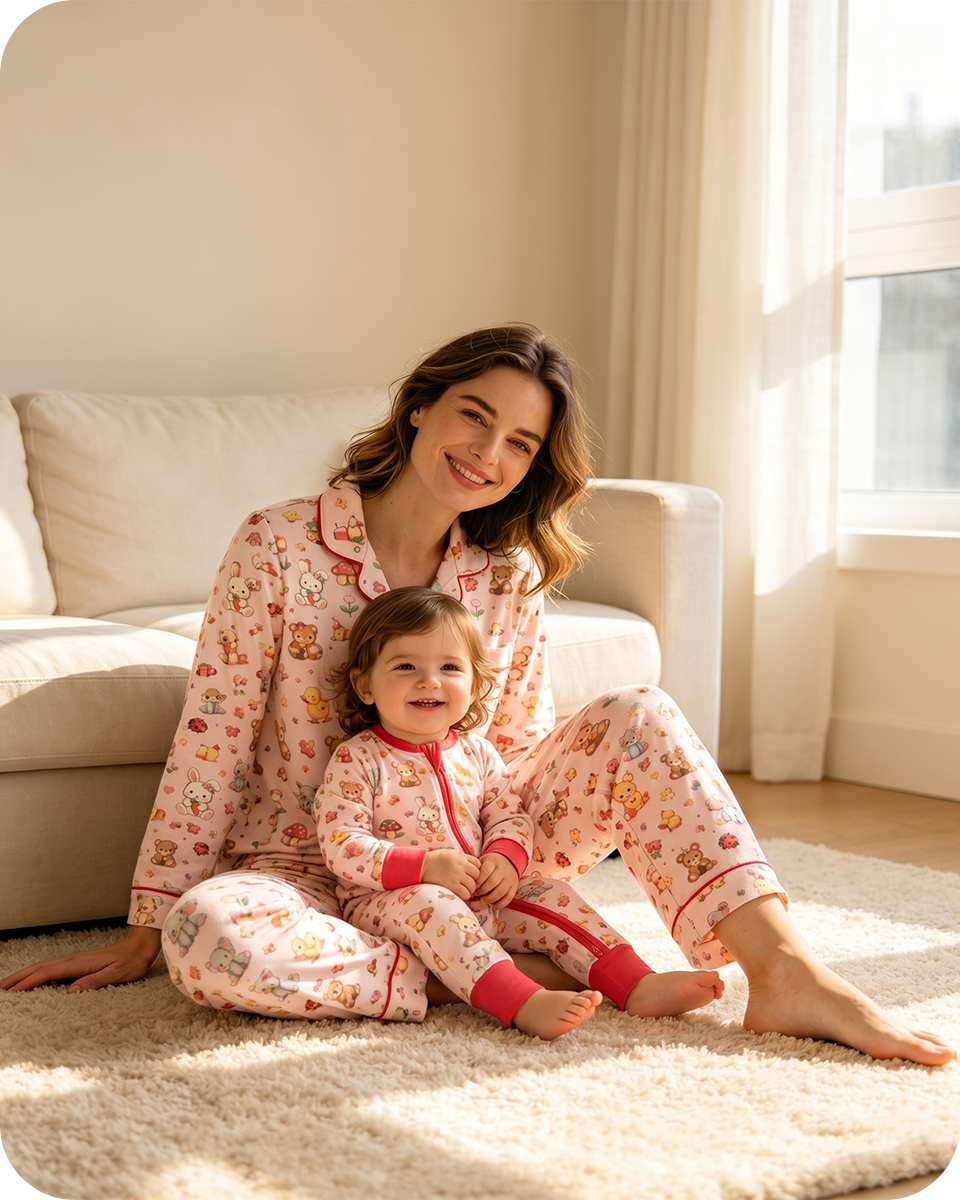
When you flip a tag, you’re reading a tiny ethics and safety report. Look for trusted marks such as GOTS (Global Organic Textile Standard) and OEKO‑TEX® Standard 100 — they confirm limits on harmful residues and responsible processing, not just organic fibers. Logos like Bluesign or GRS indicate safer chemical management and recycled-content verification. Beware of vague buzzwords — “hypoallergenic” or “dermatologist tested” can be marketing unless backed by a recognized standard or certificate number printed on the label.
- Fiber first: 100% natural fibers (organic cotton, bamboo viscose with certification) are gentler on newborn skin.
- Certificate codes: Note the license or batch number and verify on the certifier’s site if unsure.
- Care and country: Manufacturing origin and care symbols hint at processing intensity — repeated harsh finishing shows up here.
To simplify shopping, here’s a quick decoder you can glance at while browsing tags or product pages:
| Label | Meaning | Quick Shopper Tip |
|---|---|---|
| GOTS | Organic fiber + strict chemical and social criteria | Great for baby basics and swaddles |
| OEKO‑TEX | Tested for harmful substances | Look for Standard 100 class I for infants |
| Bluesign | Safer chemical input and reduced emissions | Good for technical fabrics and finishes |
Some chemicals can sneak into soft fabrics and irritate delicate skin — avoid them whenever possible. Common additives to sidestep include:
- Formaldehyde (wrinkle‑resistant finishes) — can cause redness and respiratory irritation.
- PFAS (water/stain repellents) — persistent chemicals with long‑term concerns.
- Phthalates & azo dyes — linked to allergies and toxic breakdown products.
- Unnecessary fragrances and antimicrobial coatings — often unnecessary and can trigger sensitivities.
Q&A
Q: Why does texture matter as much as the fiber itself?
A: Texture is the language of touch. Babies experience the world through skin long before they can use words, so a fabric’s surface — smooth, nubby, brushed, looped — determines how it feels against delicate skin, how much friction it produces, and how it manages moisture and airflow. Even two garments made of cotton can behave very differently if one is a soft muslin and the other is a coarse terry.
Q: Which fabrics are generally safest and gentlest for newborn skin?
A: Natural, breathable fibers are usually best: high-quality cotton (especially organic), muslin, Tencel/lyocell, and bamboo-derived viscose (when OEKO-TEX/GOTS certified). These materials tend to be soft, breathable, and good at wicking moisture away from the skin.
Q: What about synthetics like polyester — are they bad for babies?
A: Not inherently “bad,” but synthetic fibres often trap heat and moisture, can create static cling, and sometimes irritate very sensitive skin. They’re fine for outerwear or mattress protectors that need durability and water resistance, but for garments and bedding in direct contact with the baby, prioritize breathable natural fibers or blended fabrics designed for moisture management.
Q: Can wool or cashmere be used for babies?
A: Yes — but selectively. Merino wool is naturally insulating and moisture-wicking, and many babies tolerate it well. Cashmere is luxuriously soft but delicate and high-maintenance. Some infants with eczema or extreme sensitivity may react to wool, so test a small area first and choose certified, ethically sourced wool when possible.
Q: How does the weave or finish change how a fabric feels?
A: Weave and finish are as important as fiber. Knits (like jersey) are stretchy and soft; wovens (percale/sateen) are crisper. Brushed finishes and fleece create a plush nap; muslin and gauze are lightweight and airy. Finishing processes (like mercerization or enzyme washing) can make fibers feel smoother or softer, but check certifications to ensure no harmful chemicals were used.
Q: Is thread count the best way to judge baby sheets and clothing?
A: Not really. Thread count can be misleading; it doesn’t capture fiber quality, weave, or weight. Look instead at fiber type, weave (percale vs sateen), and fabric weight or GSM (grams per square meter). For baby bedding, breathability and weave that allows airflow are more important than a high thread count.
Q: How should parents choose fabrics for sleep — swaddles, sleep sacks, and pajamas?
A: Prioritize breathability and appropriate warmth. Lightweight muslin swaddles for summer; thicker organic cotton or merino sleep sacks for cooler months. For pajamas, pick snug-fitting pieces to reduce the need for chemical flame retardants (or buy garments labeled flame-resistant according to local safety standards). Always follow safe-sleep guidance about layers and avoid loose blankets in cribs.
Q: My baby has eczema — which fabrics help, and which should I avoid?
A: Favor very smooth, breathable natural fibers (soft cotton, Tencel) and pre-wash garments with fragrance-free detergent. Avoid scratchy knits, coarse wool (unless a baby-specific merino is tolerated), and garments treated with heavy dyes or finishes. Consult your pediatrician or dermatologist for personalized advice.
Q: What should I look for on labels and certifications?
A: Helpful marks include GOTS (organic textiles and processing), OEKO-TEX Standard 100 (low levels of harmful substances), GOLS (certified organic wool), and bluesign (safe chemical use in production). These don’t guarantee perfection, but they reduce the risk of irritating residues and unsafe chemicals.
Q: How do I care for baby fabrics to keep them gentle and safe?
A: Wash new items before first use with a mild, fragrance-free detergent. Avoid fabric softeners and dryer sheets, which can coat fibers and irritate skin. Use gentle cycles, warm or cool water, and air-dry or tumble-dry on low to preserve softness. Replace garments that pill or develop rough patches.
Q: Can texture play a role in sensory development?
A: Absolutely. Gentle exposure to a range of safe textures (soft knits, smooth silk-like fabrics, lightweight crinkle muslin) supports tactile exploration and sensory learning. Keep textured items clean and supervise tactile play to avoid loose threads or choking hazards.
Q: How can I tell if a fabric is irritating my baby?
A: Watch for redness, raised bumps, dry patches, persistent scratching, or localized rashes where clothing contacts skin. If irritation appears after wearing a particular item, remove it and switch to a smoother, breathable fabric. Persistent or severe reactions should be discussed with a pediatrician.
Q: Are second‑hand baby clothes okay from a texture and safety standpoint?
A: Yes — with precautions. Wash thoroughly before use, check for worn seams, pilling, loose threads, missing safety labels, and small parts. Well-made second-hand cotton or muslin can be excellent value and very gentle.
Q: Any practical shopping tips for parents on a budget?
A: Invest in a few high-contact basics in soft natural fibers (onesies, muslin swaddles, sleep sacks) and supplement with lower-cost outer layers. Muslin is particularly versatile and affordable. Focus on quality where fabric touches skin and durability where wear is heavy.
Q: How do environmental and ethical concerns intersect with choosing gentle fabrics?
A: Natural fibers biodegrade and can be produced sustainably, but production practices vary. Look for organic and ethically certified labels (GOTS, RWS), consider durability (longer-lasting items reduce waste), and balance chemical-free processing against resource use. Reusing and responsibly sourcing baby gear reduces the overall footprint.
Quick checklist for buying gentle baby fabrics:
– Feel the fabric: soft, smooth, and breathable.
– Prefer natural fibers for next-to-skin layers.
– Check certifications (GOTS, OEKO‑TEX).
– Avoid heavy finishes and scented washes.
– Wash before first wear and skip fabric softeners.
– Monitor skin for irritation and consult a pediatrician if needed.
If you’d like, I can turn this Q&A into a printable FAQ insert for a newborn gift, or tailor it to colder or warmer climates. Which would you prefer?
In Retrospect
Choosing fabrics for a baby is more than a matter of color or pattern — it’s about the quiet conversation between skin and cloth. Textures shape comfort, regulate touch, and influence everything from sleep to sensory exploration. When you pause to consider how a fabric feels, breathes, and wears, you’re listening to an important part of early care.
Practical choices—soft, breathable fibers, thoughtful finishes, and easy-care construction—translate those considerations into everyday comfort and safety. Layering, washing with mild detergents, and checking for irritants help maintain that gentle connection as linens and garments move from one tiny day to the next. Thoughtfully designed collections from CloudsBoo reflect this gentle approach, combining cozy fabrics with comfort-focused designs made for little ones and growing families.
In the end, gentle fabrics are a small, persistent kindness: a tender backdrop to first sounds, first naps, and first discoveries. Let texture guide your selections, and the result will be a quieter, softer world for the littlest skin.