
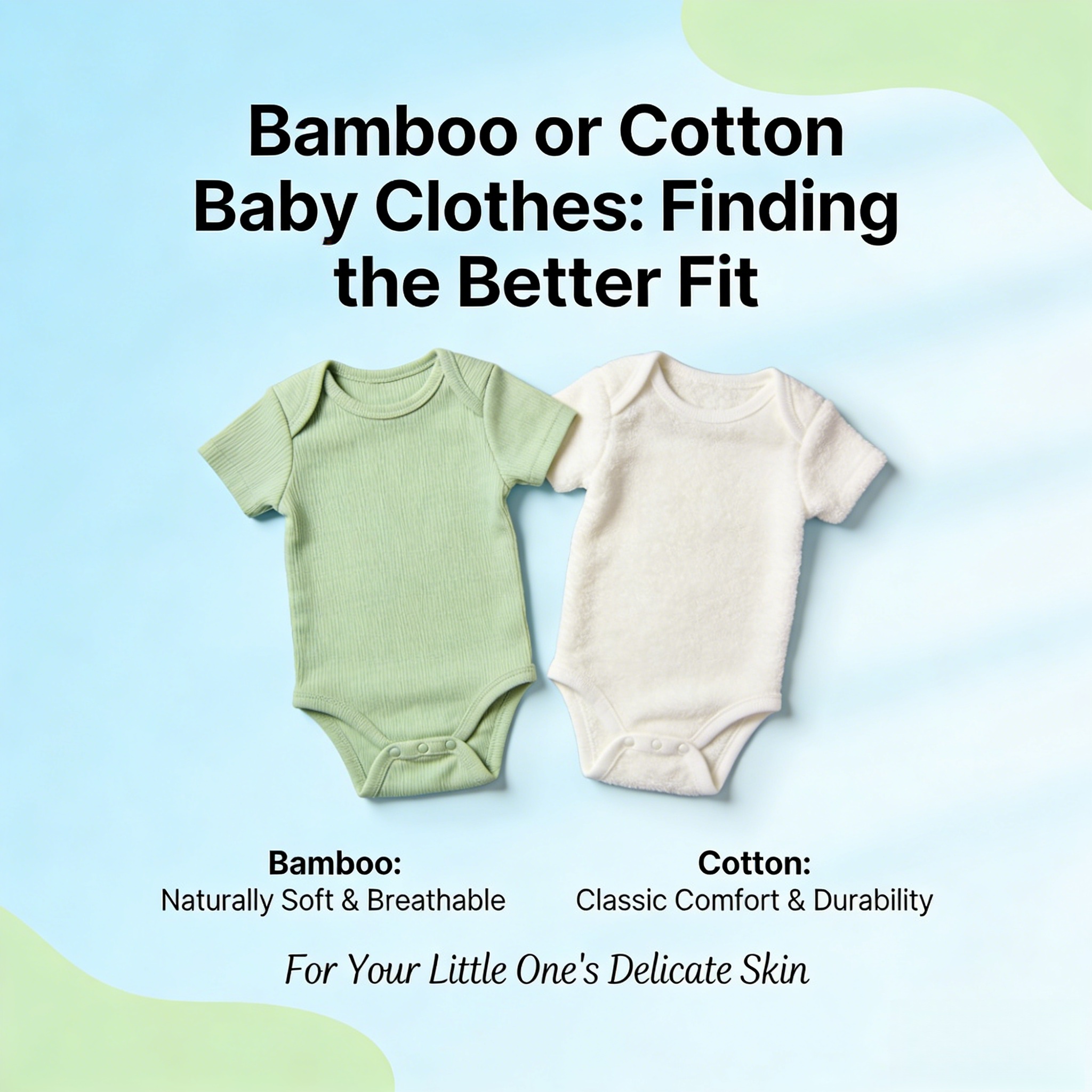
A newborn’s first wardrobe feels like a tiny manifesto—soft folds, gentle colors, and the promise of comfort. Between the plush whisper of bamboo and the familiar hug of cotton, parents often find themselves hovering over a laundry basket that seems to ask: Which fabric will cradle my baby best?
This article takes a clear-eyed look at bamboo and cotton baby clothes, exploring their feel, breathability, durability, environmental footprint, and care needs. Rather than declaring a winner, we’ll unpack the trade-offs and practical considerations so you can choose the best fit for your infant’s needs, climate, and values.
Table of Contents
- Soft Science of Baby Fabrics: Breathability, Moisture Management, and Thermal Comfort
- Sensitive Skin Signals and Allergy Considerations: Which Fabric Eases Irritation
- Everyday Wear and Care: Durability, Stain Resistance, and Washing Tips to Preserve Softness
- Environmental and Ethical Tradeoffs: Bamboo Processing, Organic Cotton, and Responsible Sourcing
- Practical Decision Guide for Parents: Age, Climate, and Use Cases That Favor Bamboo or Cotton
- Q&A
- In Conclusion
Soft Science of Baby Fabrics: Breathability, Moisture Management, and Thermal Comfort
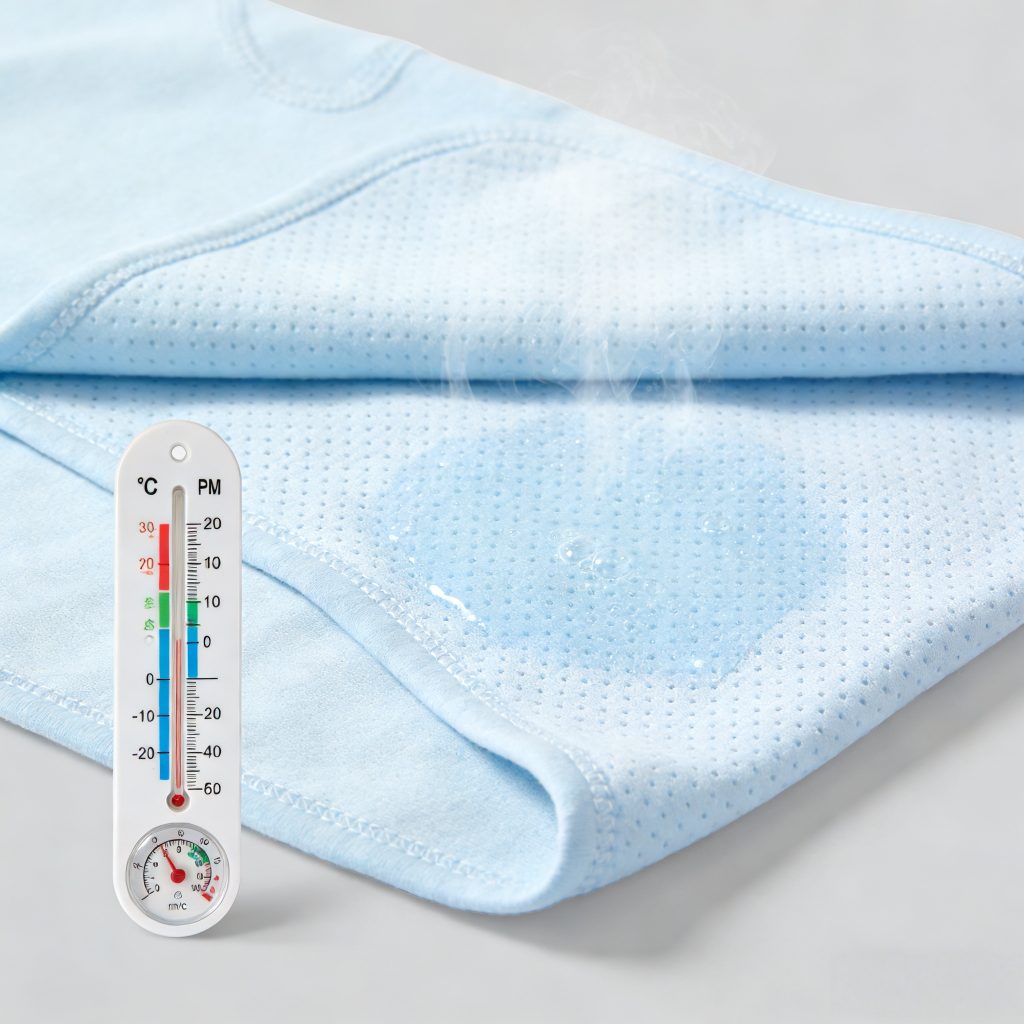
Think of fabrics as small climate systems: the microscopic gap between fibers and the chemistry of the yarn determine how air and moisture travel next to baby’s skin. Fabrics with open, hollow fibers (like many bamboo-derived yarns) tend to excel at breathability and moisture-wicking, pulling sweat away and dispersing it across the surface to evaporate quickly. Traditional cotton is wonderfully soft and breathable too, but because it soaks up moisture rather than moving it, it can feel heavy or damp against a newborn’s skin—especially in layers or humid conditions. These subtle differences translate into real comfort: less clamminess, fewer temperature spikes, and a lower chance of skin irritation.
| Property | Bamboo | Cotton |
|---|---|---|
| Air flow | High — hollow fibers aid ventilation | Good — depending on weave |
| Moisture handling | Effective wicking & quick dry | Absorbs well, dries slower |
| Thermal feel | Cooling in heat, cozy when layered | Neutral; warms when damp |
When selecting pieces for a baby’s wardrobe, prioritize fabric performance as much as feel. Look for blends or finishes that enhance thermal regulation, choose looser knits for better airflow in summer, and finer weaves for insulation in winter. Practical touchpoints:
- Layering: thin bamboo base layers + cotton outer for durability.
- Fit: slightly loose to permit air circulation without exposing skin.
- Care: follow wash instructions—performance can change with fabric treatments.
These small decisions help keep little ones comfortably neutral, not too hot or cold, regardless of the season.
Sensitive Skin Signals and Allergy Considerations: Which Fabric Eases Irritation
Babies speak with more than cries—redness, tiny bumps, persistent dryness, or scaly patches are all skin-language that something in their wardrobe isn’t agreeing with them. Natural fibers like bamboo and cotton both score high on softness, but they differ in how they interact with delicate skin. Bamboo (often sold as viscose from bamboo) tends to feel silkier and excels at moisture-wicking and breathability, which can reduce friction and overheating. Organic cotton, meanwhile, is celebrated for its gentle hand and minimal chemical exposure when certified—making it a reliable pick for infants with a history of eczema or contact sensitivities. Remember: fabric finishers, dyes, and manufacturing processes often matter more than the fiber name on the tag.
- Look for certifications such as OEKO-TEX, GOTS, or similar seals that limit harmful residues.
- Wash first: A pre-wash removes residues and softens new garments.
- Patch test: Try one garment on a small area to watch for reactions before curating a full wardrobe.
| Feature | Bamboo (viscose) | Cotton (organic) |
|---|---|---|
| Softness | Very soft, silky | Soft, natural feel |
| Moisture control | Excellent | Good |
| Chemical risk | Variable (processing matters) | Low if certified |
When choosing between the two, pair the fabric choice with practical care: use gentle, fragrance-free detergents, avoid fabric softeners, and air-dry when possible. For families with known allergies, organic cotton with clear certification is often the safest baseline, while bamboo can be a soothing alternative if you verify low-impact processing or choose mechanically produced bamboo linen. Small experiments—one sleeper at a time—let you find the fabric that calms your baby’s skin rather than setting it off.
Everyday Wear and Care: Durability, Stain Resistance, and Washing Tips to Preserve Softness
Durability and stain performance vary between fabrics: bamboo’s long, smooth fibers resist pilling and retain a plush hand even after many washes, while cotton stands up to rough play and frequent laundering without losing structure as quickly. For spills, bamboo’s natural absorbency can mean stains set if left, but its antibacterial properties often help reduce lingering odors; cotton may show stains more visibly but is easier to treat with targeted pre-wash treatments. Choose pieces with reinforced seams and quality stitching—those small details matter more for longevity than the fiber name on the tag.
Gentle care keeps baby clothes soft and safe. Try these practical habits:
- Wash temperature: Use cold to warm water for bamboo and warm (not hot) water for cotton to avoid shrinkage.
- Mild detergent: Pick a fragrance-free, baby-safe formula and skip bleach.
- Low agitation: Turn garments inside out and use a gentle cycle or a mesh bag for delicate items.
- Drying: Line-dry or tumble on low—high heat dulls fibers and roughens the hand.
- Skip fabric softeners: They can coat bamboo fibers and reduce breathability; a splash of white vinegar in the rinse is a natural alternative.
To preserve that newborn-soft feel, store clothing folded in a cool, dry place and mend small tears promptly to prevent bigger damage. The quick reference below highlights simple differences to guide choices at laundry time.
| Feature | Bamboo | Cotton |
|---|---|---|
| Softness | Silky, stays soft | Soft, breaks in over time |
| Shrinkage | Low if washed cool | Moderate, avoid hot water |
| Stain response | Absorbent—treat quickly | Visible—pre-treat effectively |
| Care tip | Gentle cycle, no softener | Warm wash, low-heat dry |
Environmental and Ethical Tradeoffs: Bamboo Processing, Organic Cotton, and Responsible Sourcing
Choosing between bamboo-derived fabrics and organic cotton often comes down to subtle environmental and ethical tradeoffs. Bamboo’s natural growth is a sustainability win—it regenerates quickly and needs little fertilizer—but most bamboo baby clothes are actually made from bamboo viscose, a chemical-intensive process unless produced as closed-loop lyocell. Organic cotton, by contrast, avoids synthetic pesticides and promotes healthier soils, though it can demand more water depending on the growing region. In both cases, the final environmental footprint hinges on processing methods and local farming practices rather than the raw fiber alone.
Responsible sourcing is the practical lens for parents: certifications and transparent supply chains reveal whether a brand truly minimizes harm. Look for independent labels that confirm low-impact processing and fair labor, and consider lifecycle factors like biodegradability and durability—longer-lasting garments reduce overall waste. Simple checks include brand transparency about mills, chemical management, and worker welfare.
- Certifications: GOTS, OEKO‑TEX, FSC, or RCS for viscose/lyocell
- Processing: closed-loop lyocell vs. conventional viscose
- Water & land: regional water stress for cotton; responsible sourcing for bamboo
- Worker welfare: fair wages, safe conditions, and audit transparency
| Metric | Bamboo (typical viscose) | Organic Cotton |
|---|---|---|
| Water use | Low to moderate (depends on region) | Moderate to high |
| Chemical processing | Often high (unless lyocell/closed‑loop) | Low (no synthetic pesticides) |
| Certifications to seek | FSC, RCS, OEKO‑TEX | GOTS, OEKO‑TEX |
| End‑of‑life | Biodegradable if untreated | Biodegradable and compostable |
Practical Decision Guide for Parents: Age, Climate, and Use Cases That Favor Bamboo or Cotton
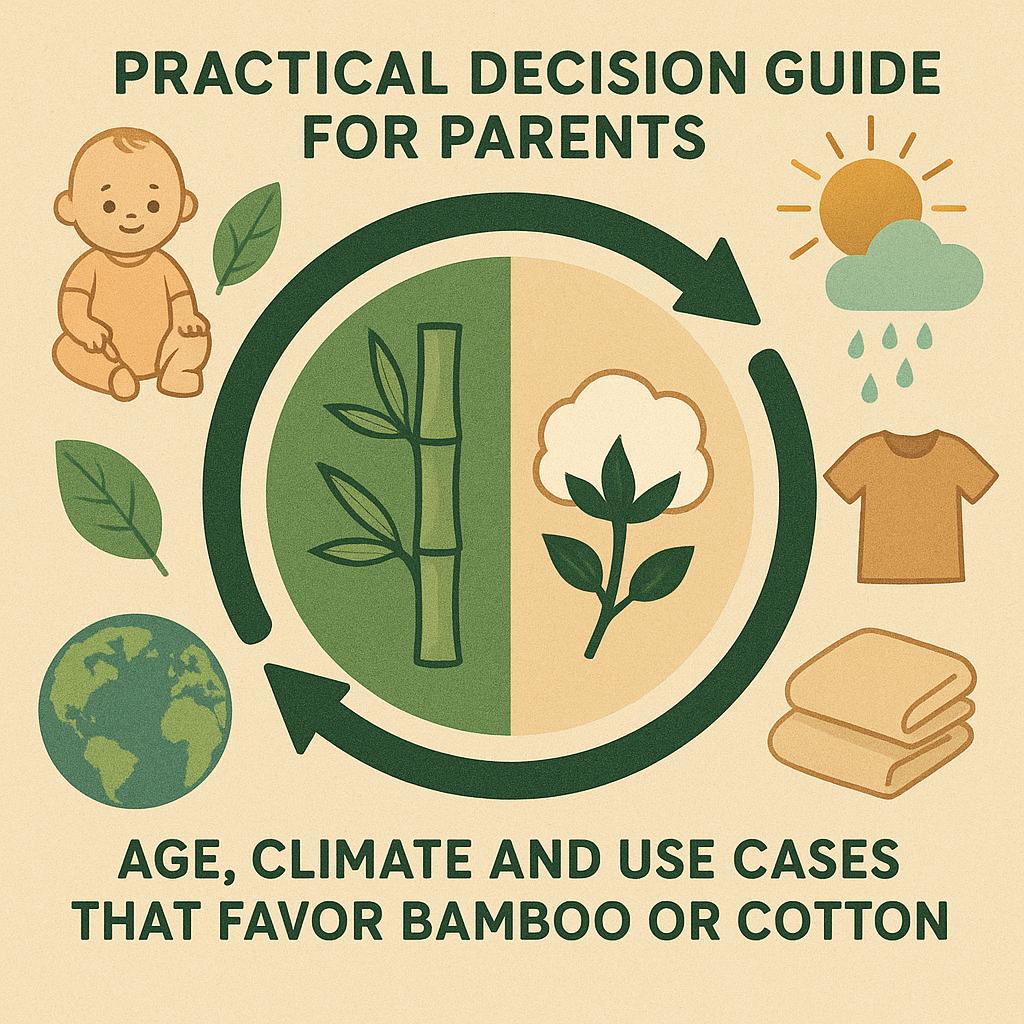
For the littlest humans, fabric choice reads like a love note to their skin: bamboo often wins for newborns and infants thanks to its silky texture, natural breathability, and moisture-wicking — ideal for sensitive skin and irregular body temps. As babies become movers and shakers, cotton shines: it withstands repeated washing, holds up to stains and rough play, and is widely available in thicker weaves for colder nights. Think of bamboo as a gentle whisper for sleep and skin, and cotton as a reliable hug for daytime adventures.
Match material to weather and routine with simple rules of thumb:
- Hot & humid: bamboo—keeps sweat from clinging and coolness flowing.
- Cold & layered: cotton or cotton blends—for insulating and durable layering.
- Everyday play: durable cotton for stains and frequent laundering.
- Sensitive/reactive skin: bamboo first, test blends if you need extra durability.
| Situation | Better Pick | Why (short) |
|---|---|---|
| Newborn / Sensitive skin | Bamboo | Silky, hypoallergenic, breathable |
| Active toddler/outdoors | Cotton | Durable, easy-care, warm |
| Hot climate/sleepwear | Bamboo | Moisture-wicking, cooling |
| Cold weather/layering | Cotton | Better insulator when layered |
Mix and match: choose bamboo for sleep and sensitive moments, cotton for play and durability, and consider blends for the best of both worlds—plus always check care labels and test a piece before committing to a full wardrobe.
Q&A
Q: What’s the main difference between bamboo and cotton baby clothes?
A: Bamboo usually refers to regenerated bamboo fibers (viscose/lyocell) that are silky, highly absorbent, and breathable; cotton is a natural seed fiber that’s durable, versatile, and widely used. The differences come down to feel, moisture management, environmental footprint, depending on processing, and care needs.
Q: Which fabric feels softer on a baby’s skin?
A: Bamboo fabrics generally feel silkier and smoother straight out of the closet. High-quality cotton (especially Pima or organic combed cotton) can also be very soft, but bamboo often wins on immediate plushness.
Q: Which is better for sensitive or allergy-prone skin?
A: Both can be gentle. Organic cotton and OEKO-TEX–certified bamboo are good choices. Bamboo is often marketed as hypoallergenic and naturally antibacterial, but those properties can be reduced by processing. Look for reputable certifications and test one garment on a small area if you’re unsure.
Q: How do bamboo and cotton compare for breathability and temperature regulation?
A: Bamboo is highly breathable and tends to wick moisture away from the skin, making it feel cooler in warm weather. Cotton breathes well too, but tends to retain more moisture than bamboo—use lighter-weight cotton in heat and heavier knits in cold.
Q: Which fabric dries faster and handles sweat better?
A: Bamboo typically absorbs and releases moisture more efficiently, so it can feel drier faster on a baby’s skin. Cotton absorbs well but holds moisture longer.
Q: Are there safety or chemical concerns with bamboo clothing?
A: Bamboo fibers are often chemically processed into viscose or lyocell. Viscose production can use harsh solvents; Lyocell uses a more closed-loop, lower-impact process. Choose garments certified by OEKO-TEX, GOTS (for blends/organic), or similar labels to reduce the risk of harmful residues.
Q: Is one option more eco-friendly than the other?
A: It depends. Bamboo is fast-growing and needs less water and pesticides than conventional cotton, but the chemical processing method matters. Organic cotton avoids pesticides but uses more water. Look for lifecycle claims and third-party certifications rather than assuming one is always greener.
Q: Which fabric holds up better to frequent washing and wear?
A: Cotton is generally more durable to high-heat washing and repeated use. Bamboo can be durable too, but may be more prone to pilling or shrinkage if not washed according to care instructions.
Q: How should I wash and dry bamboo versus cotton baby clothes?
A: For both: use a gentle detergent, avoid bleach, and wash in cool or warm water on a gentle cycle. For bamboo, avoid high-heat drying to reduce shrinkage and preserve softness—air-dry or tumble low. Cotton can tolerate hotter washes and higher dryer settings, but heat still causes wear over time.
Q: Do bamboo fabrics resist odors and bacteria better than cotton?
A: Bamboo is often marketed as having natural antimicrobial qualities, which may help reduce odor. However, processing can diminish these traits, so real-world differences are modest. Proper washing remains key for both fabrics.
Q: What about colorfastness and dyes—are one safer than the other for baby skin?
A: Colorfastness depends on dye quality and finishing rather than fiber alone. Look for OEKO-TEX or GOTS certification to ensure dyes and finishes meet safety standards for baby garments.
Q: Are bamboo–cotton blends worth considering?
A: Yes. Blends aim to combine bamboo’s softness and wicking with cotton’s resilience and easier care. A blend can be a practical compromise if you want some benefits of both fabrics.
Q: How do costs compare?
A: Bamboo clothing often costs more than conventional cotton because of processing and market positioning. Organic cotton and specialty cottons (e.g., Pima) can be similarly priced to bamboo.
Q: Which is better for different climates and seasons?
A: For hot, humid climates, bamboo’s cooling and moisture-wicking properties can be advantageous. For colder weather, thicker cotton or layered cotton garments provide warmth and robust insulation. Use layers to adapt fabric choices to temperature.
Q: Quick decision guide—how should I choose?
A: If softness, breathability, and a cooler feel matter most, consider bamboo or bamboo blends (with certifications). If durability, wide availability, and easy high-heat washing matter most, choose cotton (organic if you want fewer pesticides). For sensitive skin or chemical concerns: seek OEKO-TEX/GOTS-certified garments and wash new clothes before wearing.
If you’d like, I can turn this into a printable cheat sheet or help you evaluate specific labels and brands.
In Conclusion
Choosing between bamboo and cotton for your baby’s wardrobe isn’t about picking a winner so much as picking the right partner for your family’s rhythms. Bamboo brings a silky drape, natural breathability, and eco-friendly associations; cotton offers familiar durability, easy care, and a wide range of textures and prices. Blends and certified organic options can strike useful compromises, combining softness, longevity, and peace of mind.
Think of the decision the same way you dress your child each morning: balance comfort, climate, and practicality. Test a few pieces, notice how your baby reacts to temperature and texture, and factor in laundering habits and budget. Labels like GOTS or OEKO-TEX can help you navigate claims about chemicals and sustainability without getting lost in marketing.
At the end of the day, the best fabric is the one that keeps your little one calm, cozy, and cared for — whether it’s bamboo, cotton, or a thoughtful blend. With a little experimentation and attention to fit and feel, you’ll find the clothes that suit your baby’s needs and your family’s values.