
A newborn’s first layers are more than fabric — they’re the soft frontier between a delicate body and the wide world. Bamboo baby clothes, with their featherlike drape and muted sheen, evoke that same quiet reassurance: a material that seems to cradle the skin rather than press against it. For parents navigating rashes, eczema, and heightened sensitivity, the promise of something gentler is naturally compelling.
This article explores why bamboo-based textiles have become a popular option for infants with sensitive skin. We’ll look at the characteristics that set bamboo fabrics apart — their softness, breathability, and moisture-wicking qualities — while also weighing practical considerations such as manufacturing methods, durability, and care. The aim is to provide clear, balanced guidance so caregivers can decide if bamboo garments are the right choice for their little ones.
Table of Contents
- Why bamboo fibers calm delicate baby skin and reduce irritation
- Choosing the right bamboo baby garments: fabric weight, weave and certifications to trust
- Laundry and care recommendations to maintain softness and hypoallergenic performance
- Practical tips on fit, layering and safety for everyday wear
- Q&A
- Future Outlook
Why bamboo fibers calm delicate baby skin and reduce irritation
The ultra-fine structure of bamboo-derived yarn creates an exceptionally smooth surface that slides gently across newborn skin, minimizing friction and the micro-abrasions that can trigger redness. Its natural breathability and moisture-wicking ability help keep nappies and clothing drier, preventing the warm, damp environment where irritation and rashes thrive. Combined with a soft, flexible drape, garments made from this material move with the baby instead of against them, so sensitive areas are less likely to become inflamed.
Many parents trust this option not only for softness but for its naturally mild character: it tends to be less likely to harbor common irritants and supports a balanced microclimate against the skin. When choosing pieces, look for certified processing and gentle dyes to ensure the fabric’s calming benefits are preserved. Small design choices — like flat seams and tag-free labels — further reduce contact points that can provoke a reaction.
- Ultra-soft texture: Reduces friction and chafing.
- Breathable weave: Helps regulate temperature and moisture.
- Gentle on microbiome: Less likely to trap irritants.
| Property | Skin Benefit |
|---|---|
| Silky fiber surface | Less rubbing, fewer red patches |
| High absorbency | Keeps skin drier |
| Natural softness | Comfort for sensitive babies |
Choosing the right bamboo baby garments: fabric weight, weave and certifications to trust
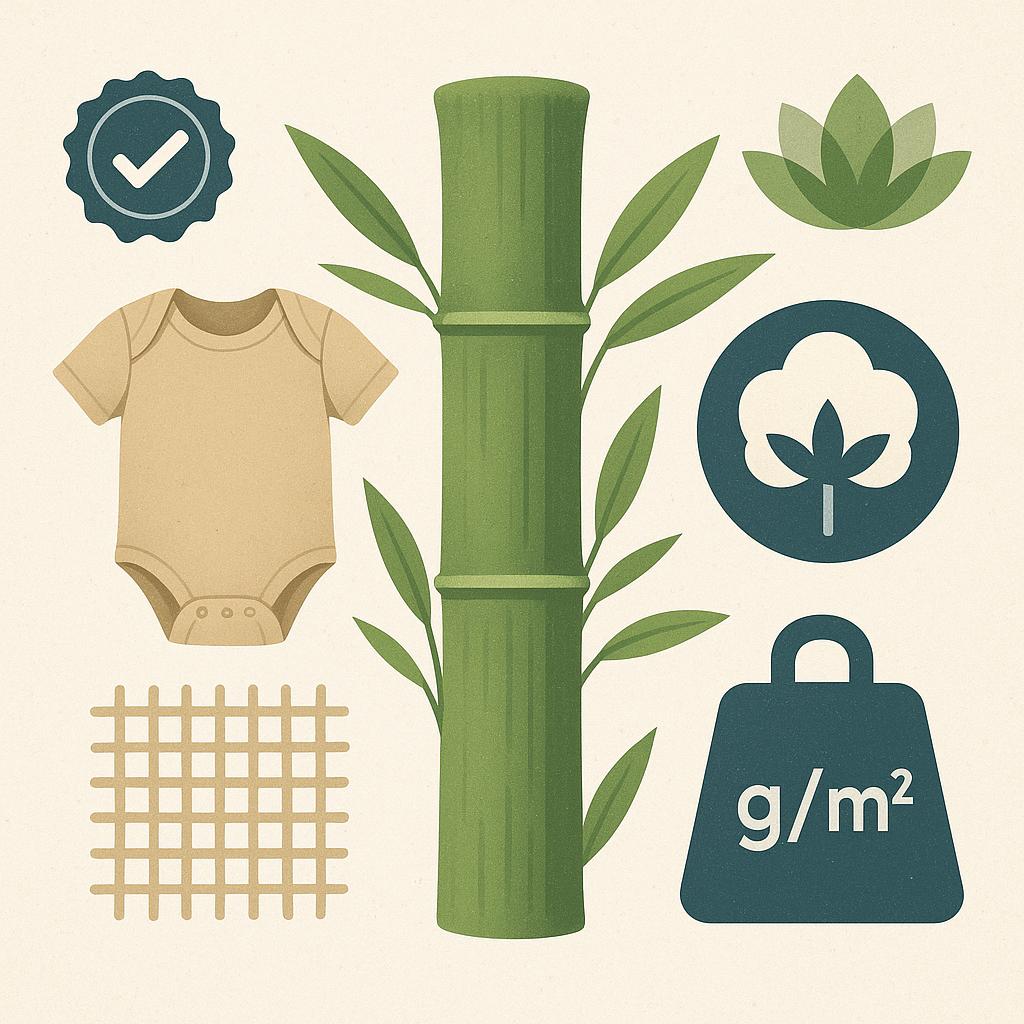
Softness isn’t the only thing to weigh when choosing bamboo for little ones — fabric weight (GSM) and weave make a big difference in comfort and performance. Lightweight, single-jersey knits cradle newborns without overheating; interlock and rib weaves give structure and gentle stretch for rompers and leggings; heavier blends hold warmth for sleepers and swaddles while still feeling silky to the touch. Look beyond labels and feel the fabric: a good bamboo garment will have a smooth surface, resilient stretch, and flat seams or tagless labels so nothing rubs sensitive skin.
- GSM guide: check the number when available — lower for summer, midrange for everyday, higher for cold nights.
- Weave matters: jersey = drape, interlock = stability, rib = stretch where movement is needed.
- Care & durability: pick pieces that maintain shape after a few washes and list clear laundering instructions.
- Certifications: prefer brands with independent testing and clear supply-chain info.
When it comes to trust, certifications that screen for harmful chemicals and responsible processing are your best friends. Look for independent seals that confirm low-chemical content and responsible sourcing — OEKO‑TEX Standard 100, certifications for responsibly managed forests, or third‑party lab reports. If a brand is transparent about fiber processing (mechanical vs. chemical), manufacturing, and gives clear instructions for caring for the garment, that’s a strong sign the product was made with sensitive skin in mind.
| GSM | Use | Season |
|---|---|---|
| 120–160 | Onesies & tees | Warm months |
| 160–200 | Everyday rompers | All-season |
| 200–280+ | Sleep sacks & swaddles | Cooler nights |
Laundry and care recommendations to maintain softness and hypoallergenic performance
Keep bamboo baby clothes luxuriously soft and truly hypoallergenic by treating them gently from the start: always pre-wash new items to remove manufacturing residues, use a mild, fragrance‑free and enzyme‑free detergent, and select a gentle cycle with cold or warm water (no hotter than 30°C / 86°F). Avoid bleach and commercial fabric softeners—these can coat fibers and reduce absorbency and breathability. For small pieces like mittens and hats, use a mesh laundry bag and wash with similar colors to prevent friction and color transfer.
- Do use a short, gentle spin and an extra rinse to remove all detergent traces.
- Do refresh softness with ½ cup white vinegar in the rinse cycle as a natural, hypoallergenic softener.
- Don’t use scented detergents, dryer sheets, or chlorine bleach—these can irritate sensitive skin.
- Don’t expose bamboo garments to high heat; it weakens fibers and dulls the natural softness.
| What to use | What to avoid |
|---|---|
| Mild, fragrance‑free detergent | Scented or enzyme-heavy detergents |
| White vinegar (rinse boost) | Liquid fabric softener / dryer sheets |
| Low heat tumble or line dry in shade | High heat tumble or direct hot sun |
For long-term hypoallergenic performance, store garments in breathable cotton bins rather than airtight plastic and rewash before gifting or passing on. If piling appears, gently trim pills instead of aggressive scrubbing; when softness wanes, a few gentle washes with vinegar and a low‑heat tumble with wool dryer balls will often revive the fabric without chemicals. These small rituals preserve the natural, soothing quality of bamboo so the next snuggle is as gentle as the first.
Practical tips on fit, layering and safety for everyday wear
Think of each garment as a tiny piece of engineering: it should move with the baby, not against them. Look for a snug but not tight silhouette that allows a diaper to sit comfortably without riding up, with cuffs and hems that stay in place during kicks and rolls. Prioritize tagless finishes, soft flat seams and gentle elastic—these small details prevent chafing on sensitive skin. Before leaving the house, do a quick movement check: bend the arms and legs, lift the baby up by supporting the head and torso, and confirm there’s no binding at the waist or shoulders.
- Sleeve & leg length: should reach the wrist/ankle without bunching or being overly long.
- Room to move: one-finger test at the neckline ensures freedom to breathe and turn.
- Avoid hazards: no loose drawstrings, large decorative buttons, or detachable pieces.
- Temperature check: hands and neck should feel warm, not sweaty—adjust layers accordingly.
Bamboo excels as a breathable base layer: lightweight, moisture-wicking and gentle on rashes. Add a thin mid-layer for warmth and a weatherproof outer shell when needed; always prefer layers you can remove quickly to avoid overheating. For sleep and outings choose fitted sleepers or onesies with secure snaps instead of loose blankets or scarves. The mini table below summarizes quick choices for common situations.
| Layer | When to use | Quick tip |
|---|---|---|
| Base (bamboo) | Everyday, warm climates | Choose tagless, fitted onesies |
| Mid-layer | Cool mornings or naps | Thin cardigan — easy on/off |
| Outer | Rain, wind or cold walks | Soft-shell with secure closures |
Q&A
Q: What makes bamboo baby clothes different from cotton or synthetic fabrics?
A: Bamboo fabrics are usually softer and silkier to the touch than many cottons and feel cooler than synthetics. They’re prized for breathability, moisture-wicking, and a smooth surface that can reduce friction on delicate skin. The differences come from how the bamboo is processed into fiber (mechanical vs. chemical) and whether it’s blended with other fibers.
Q: Are bamboo baby clothes good for babies with sensitive skin or eczema?
A: Many parents find bamboo garments less irritating because they’re soft, breathable, and wick moisture away from the skin. That can reduce chafing and overheating—common triggers for irritation. However, bamboo fabric is not a medical treatment for eczema; individual reactions vary and you should consult a pediatrician or dermatologist for serious skin conditions.
Q: Are bamboo fabrics hypoallergenic?
A: “Hypoallergenic” is a marketing term rather than a regulated guarantee. Bamboo fabric’s smooth surface and minimal lint can be less likely to trigger irritation for some babies, but it doesn’t eliminate all allergens or prevent contact dermatitis. Look for certified low-chemical finishes to reduce risks.
Q: What about antibacterial or odor-resistant claims?
A: Raw bamboo contains compounds with natural antimicrobial activity, but much of that can be lost during industrial processing. Some bamboo-derived fabrics still show reduced odor or microbial growth, but results depend on processing and finishing. Don’t rely on antibacterial claims as a substitute for hygiene.
Q: How is bamboo fabric made, and does the process affect its safety or sustainability?
A: There are two main routes: mechanical (rare and labor-intensive) and chemical (more common). The chemical route converts bamboo into viscose/ rayon using solvents; environmental and health impacts depend on whether manufacturers use closed-loop systems that recover chemicals. “Bamboo lyocell” or fibers made in closed-loop processes are generally considered better environmentally than conventional viscose. Verify claims with third-party certifications.
Q: Which certifications should I look for when buying bamboo baby clothes?
A: Useful certifications include OEKO-TEX Standard 100 (tests for harmful substances) and, for fabrics made in closed-loop or sustainable processes, specific producer claims backed by verifiable standards (look for reputable names or paperwork). GOTS applies to organic cotton, not bamboo, so it’s not relevant for most bamboo fabrics.
Q: Will bamboo clothes shrink or pill?
A: Bamboo fabrics can shrink if exposed to high heat—wash in cool water and tumble dry low or air dry to minimize shrinkage. Pilling can occur, especially with lower-quality yarns or blends; higher-quality bamboo garments with better spinning and finishing resist pilling longer.
Q: How should I wash and care for bamboo baby clothes?
A: Use a gentle, fragrance-free laundry detergent on a cool or warm cycle. Avoid bleach and fabric softeners (they reduce absorbency and can leave residues). Air dry or tumble dry on low; remove promptly to reduce wrinkles. Check care labels for any special instructions.
Q: Are bamboo blends (bamboo-cotton, bamboo-spandex) better than pure bamboo?
A: Blends offer trade-offs. Bamboo-cotton can be more durable and slightly more affordable; bamboo-spandex adds stretch for snug fits. Pure bamboo viscose tends to feel the softest. Choose based on intended use—stretch for fitted sleepers, blends for everyday durability.
Q: Are there any safety concerns with bamboo baby clothes (flame resistance, fasteners, dyes)?
A: Standard safety rules apply: sleepwear must meet flammability regulations (tight-fitting styles are typically safer), avoid loose cords and small detachable parts, and watch for strong dyes or finishes that could irritate sensitive skin. Preferring garments tested to safety standards and with secure, comfortable closures is wise.
Q: How long do bamboo baby clothes last?
A: With proper care, good-quality bamboo garments can last through many washes, but they’re not indestructible. Durability depends on fiber quality, weave, stitching, and how they’re treated in laundry. Expect similar or slightly shorter lifespan compared with midrange cotton items unless you choose high-quality construction.
Q: Are bamboo clothes a truly eco-friendly choice?
A: Bamboo as a plant is fast-growing and often needs fewer pesticides, but environmental benefits depend heavily on processing. Chemically intensive viscose production can generate pollution unless managed in closed-loop systems that capture solvents. Evaluate brands on their processing claims and certifications rather than relying solely on the “bamboo” label.
Q: Can babies be allergic to bamboo fabric?
A: True allergies to the bamboo fiber itself are rare. However, reactions can occur to chemical residues, dyes, or finishing agents used in manufacturing. If a baby shows a rash or irritation after wearing a garment, stop using it and consult a clinician. Washing new clothes before first wear can reduce residual chemicals.
Q: How do I choose the best bamboo baby clothes for sensitive skin?
A: Look for:
– Clear fabric composition (e.g., bamboo viscose, bamboo lyocell) and a high percentage of bamboo if you want the feel.
– OEKO-TEX Standard 100 or equivalent testing for harmful substances.
– Closed-loop processing claims for better environmental credentials.
– Simple construction: flat seams, tagless labels, and gentle dyes.
– Positive reviews noting softness and durability from other parents.
Also buy one piece to test on your baby before committing to a whole set.
Q: Are bamboo baby clothes more expensive, and are they worth it?
A: Bamboo garments can be pricier than basic cotton due to manufacturing and branding. Whether they’re “worth it” depends on priorities: if softness, breathability, and reduced skin irritation matter, many parents find them a good investment for sensitive infants. If budget is tight, look for sales or try bamboo blends.
Q: Final practical tips for parents curious about bamboo baby clothes?
A: Start small—buy one or two pieces to see how your baby’s skin responds. Always wash new items before use, choose neutral detergents, and check for certifications that back safety claims. Balance comfort, durability, and sustainability by reading labels and brand transparency rather than assuming “bamboo” equals perfect.
If you want, I can tailor a short buyer’s checklist or sample product-care label for a magazine sidebar.
Future Outlook
Soft as a whisper and shaped by nature, bamboo baby clothes offer parents an appealing option when sensitivity matters—bringing breathability, moisture-wicking and a silky hand that can be kinder to delicate skin. At the same time, choosing bamboo fabric wisely matters: look for reputable certifications, gentle processing claims, and the right fabric blend for your little one’s needs. Wash new garments before first wear, try a small patch if skin is reactive, and consult your pediatrician for persistent irritation or eczema. Ultimately, bamboo can be part of a thoughtful wardrobe that balances comfort, care, and conscience—one small, cozy choice at a time.